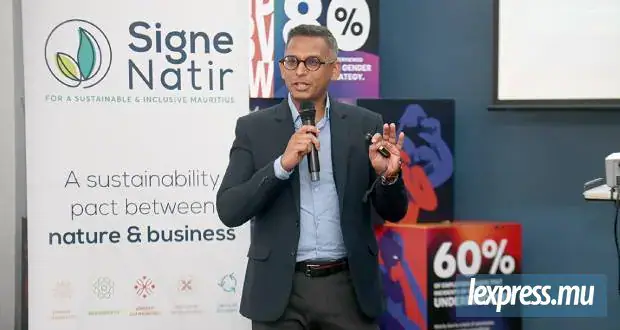
As summer approaches in Mauritius, the island nation is bracing for a dual challenge: rising temperatures and increased electricity demand. The country's businesses and industries, which account for 60% of energy consumption, will play a crucial role in managing electricity usage. To address this challenge, stakeholders gathered at a meeting organized by the Club des Entrepreneurs de la Transition Énergétique de Business Mauritius on November 23. The meeting brought together representatives from the Central Electricity Board (CEB), meteorological services, the Mauritius Renewable Energy Agency (MARENA), and industry professionals.
The meeting highlighted the need for energy efficiency and responsible consumption practices to reduce pressure on the grid, particularly during peak hours. Hennysha Ragavan-Boodan from the Energy Efficiency Management Office (EEMO) emphasized the importance of improving energy efficiency, optimizing equipment, and adopting sustainable consumption practices. Several projects are underway to increase renewable energy production, including the Carbon Neutral Commercial Sector Renewable Energy Scheme, which has already received 53 applications. The Plaine-des Roches wind farm, expected to produce 15 MW of electricity, is another significant project.
The impact of climate change on electricity demand was also discussed, with Prithiviraj Booneeady, acting director of Meteorological Services, warning of the potential consequences of an intense El Niño event. This could lead to higher temperatures, reduced rainfall, and increased pressure on water and agricultural resources. While cyclonic activity may decrease, extreme weather events are still possible, and higher temperatures could result in increased air conditioning usage and electricity consumption.
To address these challenges, the MARENA is promoting the diversification of the energy mix through initiatives like the Initiative for Green New Innovative Technologies in Energy (IGNITE Scheme), launched in May. This pilot project aims to test and develop new renewable energy technologies to facilitate their integration into the national grid. However, Damodar Dosseah, Senior Engineer at CEB, cautioned that simply increasing renewable energy production is not enough; effective management of the grid and renewable energy sources is crucial.
The CEB is working to develop new approaches to grid management and operations to accommodate variable renewable energy sources. This is essential for Mauritius to achieve its goal of generating 60% of its electricity from renewable sources by 2035. The integration of renewable energy sources requires advanced monitoring, control, and management systems to ensure grid stability.
In the short term, managing electricity consumption, particularly in the commercial and industrial sectors, is critical to preventing grid overload during periods of high demand. The development of new renewable energy projects and energy efficiency measures will also be essential in addressing the dual challenge of climate change and increased electricity demand.
The Mauritian government and stakeholders must work together to implement effective solutions to manage electricity demand and promote renewable energy production. By adopting a comprehensive approach that addresses both energy efficiency and renewable energy production, Mauritius can mitigate the impacts of climate change and ensure a sustainable energy future.
Key points
- One key point is that the commercial and industrial sectors, which account for 60% of energy consumption in Mauritius, must play a crucial role in managing electricity usage to prevent grid overload.