Mauritania's societal structure has long been influenced by its harsh desert environment and traditional tribal system. For centuries, the population has adapted to a nomadic lifestyle, relying on livestock and navigating the challenges of a arid landscape. This background has shaped the nation's collective consciousness, producing a unique culture that blends Islamic and African traditions. The country's history is marked by the absence of a central authority, leading to a societal structure based on tribal affiliations and traditional hierarchies.
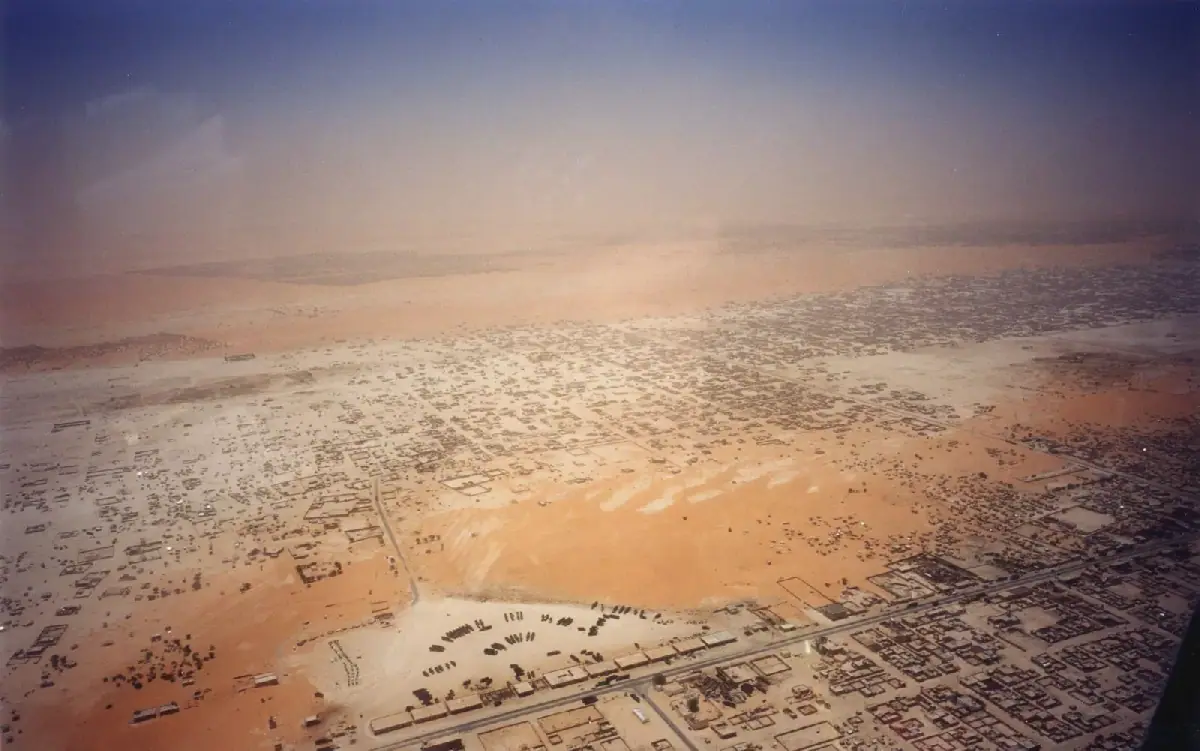
The country's independence in 1960 marked a significant turning point, as the government sought to modernize and urbanize the population. Many Mauritanians migrated from rural areas to Nouakchott, the capital city, in search of better living conditions, services, and economic opportunities. Despite this shift, the traditional desert culture remains deeply ingrained in the population. The city's rapid growth and expansion have led to challenges in providing basic services, resulting in a mismatch between the urban reality and the country's tribal past.
The relationship between the desert culture and urban reality is complex, with many Mauritanians struggling to reconcile their traditional values with the demands of modern urban life. The concept of "tribe" remains a significant factor in Mauritanian society, with many individuals maintaining strong ties to their tribal affiliations. This is reflected in various aspects of life, including social and political events, conflict resolution, and even online platforms.
According to researcher Abd al-Wadud Ould Sheikh, the transformation of Nouakchott into a modern city is hindered by the persistence of tribal culture. He argues that the city's morphology and the behavior of its inhabitants reflect the tensions between the old desert culture and the new urban reality. The city's expansion has led to the emergence of informal settlements and a lack of planning, which has resulted in a chaotic urban landscape.
The challenges facing Nouakchott are multifaceted, with issues ranging from inadequate infrastructure to social and economic disparities. Despite these challenges, the city remains a hub of cultural and economic activity, with many Mauritanians seeing it as a symbol of modernity and progress. However, the persistence of tribal culture and the difficulties of urbanization have raised questions about the city's ability to shed its past and forge a new identity.
The Mauritanian government faces significant challenges in balancing the country's rich cultural heritage with the demands of modernization and urbanization. The concept of "urbanization of the desert" has been proposed as a way to address these challenges, but its implementation remains uncertain. The country's future development will depend on its ability to reconcile its traditional values with the needs of a rapidly changing world.
As Mauritania continues to navigate the complexities of modernization and urbanization, its people must confront the tensions between their desert culture and urban reality. The outcome will shape the country's future and determine whether Nouakchott can become a modern city that is in tune with the needs of its inhabitants. One thing is certain: the country's unique cultural heritage will continue to play a significant role in shaping its development.
Key points
- The persistence of tribal culture in Mauritania's capital Nouakchott hinders the city's transformation into a modern urban center.