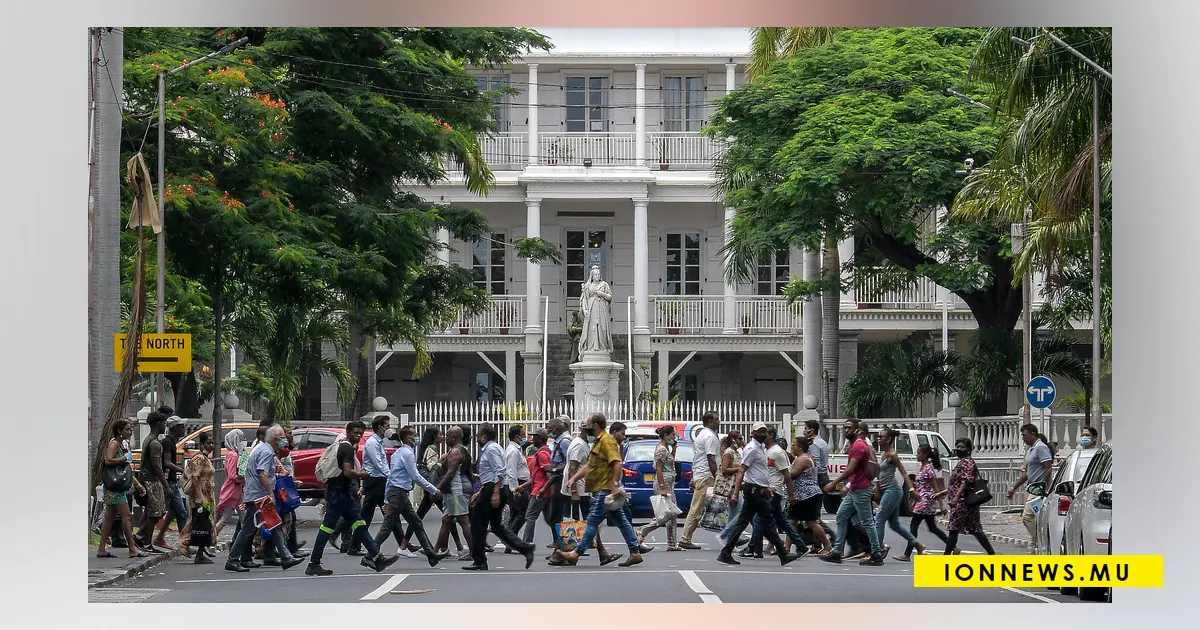
The Mauritian government has sparked widespread outrage with its recent announcement of stricter regulations on public servants' side activities. The new rules require public servants to obtain prior authorization for any paid activity outside of work. This move has ignited a firestorm on social media, with many citizens expressing frustration and perceived injustice. The new regulations cover a range of activities, including private tutoring, baking, karate training, and small-scale sales.
The public's reaction centers around a perceived double standard, where low-ranking public servants are being unfairly targeted while high-ranking officials and politicians seem to be exempt. Many have pointed out that some parliamentarians and ministers continue to work as lawyers or run their own private businesses, often accumulating multiple sources of income. This has led to accusations of favoritism and calls for greater accountability from those in power.
The issue is further complicated by the country's rising cost of living, which has left many public servants struggling to make ends meet. With basic salaries no longer sufficient to cover living expenses, many have turned to side hustles as a necessary means of survival. Citizens have expressed admiration for public servants who work extra hours to support their families, criticizing the government for trying to restrict these activities without offering equivalent salary increases.
The new regulations have also raised concerns about their practical application and institutional coherence. Observers have noted that the Mauritius Revenue Authority (MRA) already has provisions for declaring income from private tutoring and independent work, implying a level of recognition for these activities. However, the requirement for public servants to obtain authorization from their superiors has sparked fears of favoritism and arbitrary decision-making.
Many citizens are worried that the approval system will be abused, with those in good standing with their superiors being granted permission while others are denied. This has led to concerns about the potential for unfair treatment and the erosion of trust in the government's institutions. The backlash against the new regulations has been swift and intense, with many calling for a rethink or revision of the rules.
The controversy has highlighted the challenges faced by public servants in Mauritius, who are caught between the need to make a living and the requirement to adhere to strict regulations. It has also raised broader questions about the role of government in regulating the activities of public servants and the need for greater transparency and accountability. As the debate continues, it remains to be seen how the government will respond to the public's concerns.
The government faces a difficult task in balancing its goals of promoting public integrity with the need to support public servants who are struggling to make ends meet. With the cost of living continuing to rise, it is likely that the issue of side hustles will remain a contentious one in Mauritius for some time to come. The government's handling of the situation will be closely watched, both domestically and internationally.
Key points
- The new regulations require public servants to obtain prior authorization for any paid activity outside of work, sparking concerns about favoritism and arbitrary decision-making.
- The public's reaction centers around a perceived double standard, where low-ranking public servants are being unfairly targeted while high-ranking officials and politicians seem to be exempt.
- The issue is further complicated by the country's rising cost of living, which has left many public servants struggling to make ends meet.