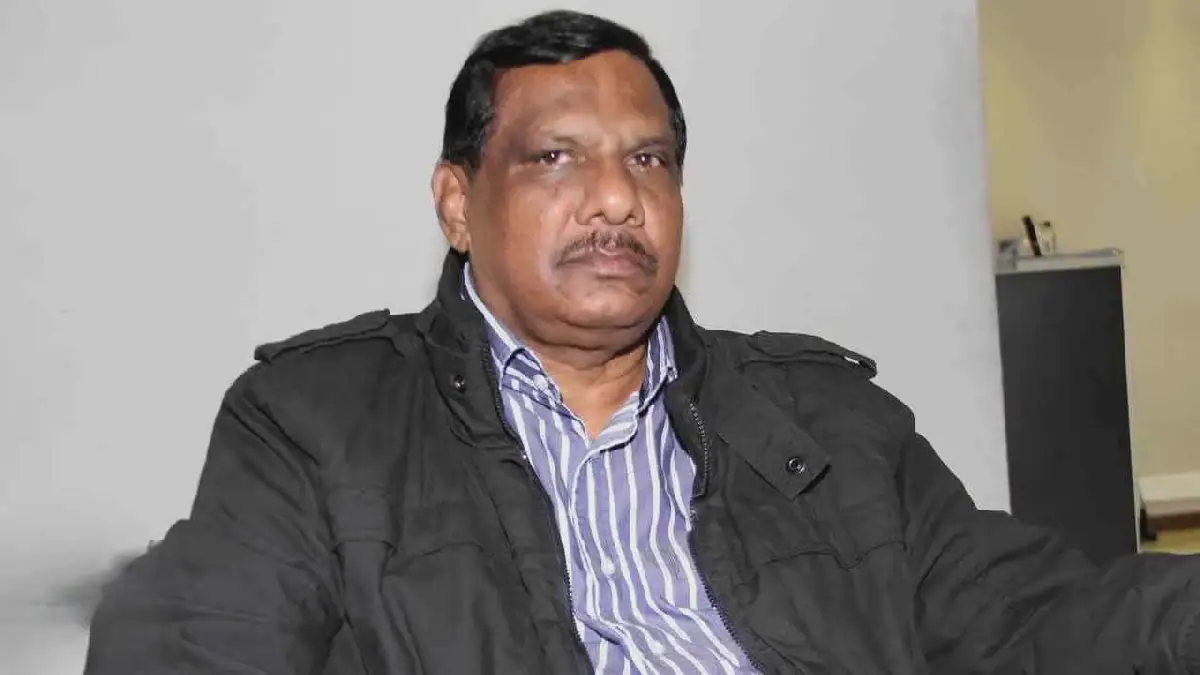
On October 31, Suttyhudeo Tengur, president of the Association for the Protection of the Environment and Consumers (Apec), wrote an open letter to Prime Minister Navin Ramgoolam. He requested that the government publish a weekly report on the progress of measures taken by the inter-ministerial committee to address the water crisis. This report should include details on projects, timelines, budgets, and the amount of additional water distributed to consumers.
The Apec president acknowledged the government's measures to address the water crisis, including the mobilization of boreholes, installation of mobile filters, use of water tankers, and acquisition of collective reservoirs. However, he emphasized that the progress of these measures should be verifiable by the population. Tengur specifically requested that the government distinguish between equipment ordered, delivered, installed, and actually operational.
Suttyhudeo Tengur also called for a hydrological inventory of the Mare-aux-Vacoas feeding basin. This inventory would assess water flows during dry periods, inspect canals, and evaluate the volume of water that can be extracted without compromising downstream populations or ecosystems. He stressed that the search for new resources should not overlook the state of the distribution network.
According to a National Audit Office report from December 2025, about 60% of water produced in 2024 was not billed, and approximately 1,500 kilometers of old pipes were defective. Suttyhudeo Tengur urged a sustained program to replace pipes and detect leaks. He also recommended diversifying resources through rainwater harvesting, treated wastewater reuse, and desalination studies.
The Apec president emphasized that the effectiveness of the government's response would be measured by the reduction of water outages and reliable, equitable household supplies. Tengur's requests aim to ensure transparency and accountability in the government's efforts to address the water crisis. The Apec will likely monitor the government's progress in implementing these measures.
The water crisis in Mauritius has significant implications for the population, with many households experiencing frequent outages. The government's response has been crucial in mitigating the effects of the crisis. Suttyhudeo Tengur's proposals seek to complement these efforts and ensure a more sustainable solution to the water shortage.
The Prime Minister's office has not publicly responded to Suttyhudeo Tengur's letter. However, the government has announced plans to address the water crisis, including infrastructure development and water conservation measures. The implementation of these measures and the government's response to Tengur's requests will be closely watched by the public and environmental groups.
Key points
- Suttyhudeo Tengur requests weekly updates on government water measures
- Apec president calls for hydrological inventory of Mare-aux-Vacoas feeding basin
- Government urged to prioritize pipe replacement and leak detection program