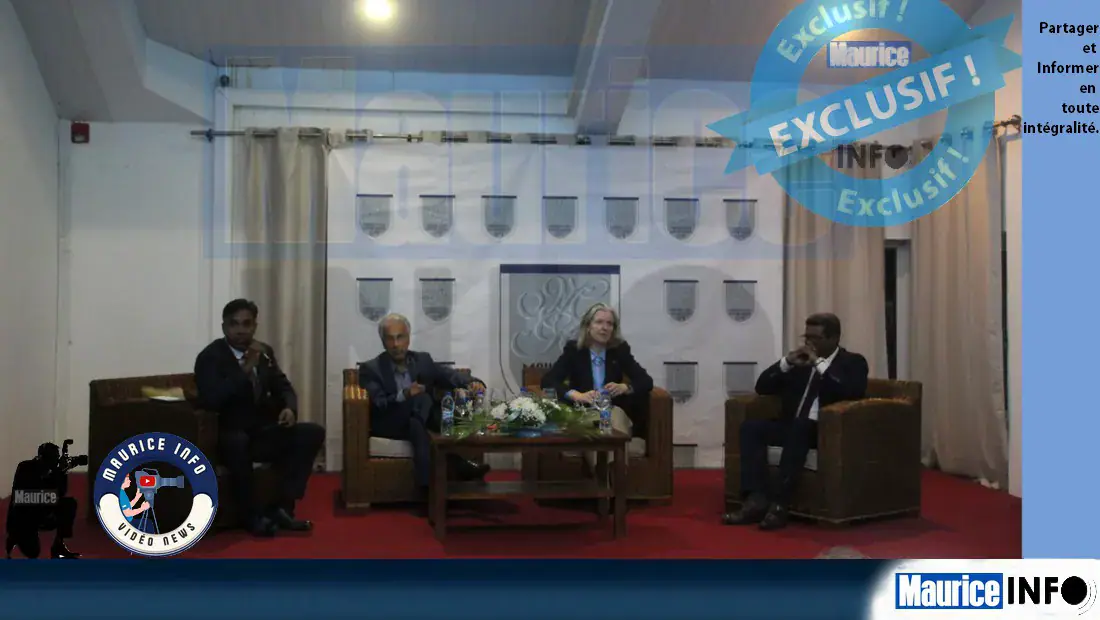
The second edition of the Heritage Conversations, held on September 23, 2026, at the Mauritius Gymkhana Club, brought together experts to discuss the potential of the blue economy in driving sustainable growth. The event focused on balancing climate action with ocean-based economic development, highlighting the challenges and opportunities facing Mauritius. Dr. Arvin Boolell, Minister of Agro-industry, Food Security, and Blue Economy, emphasized the need for innovative solutions to harness the country's maritime heritage.
Dr. Arvin Boolell challenged the perception of Mauritius as a small island nation, asserting its status as a vast ocean state with a 2.3 million km² Exclusive Economic Zone (ZEE). This ZEE, combined with a 400,000 km² zone co-managed with the Seychelles, positions Mauritius as a significant player in the Indian Ocean. However, the country's lagoon faces critical challenges, including reef degradation, coastal erosion, and declining artisanal fish stocks.
To address these challenges, the Mauritian government is drafting the Blue Economy Bill, which prioritizes three key areas: deploying fish aggregation devices outside the lagoon, modernizing port infrastructure and bunkering services, and developing offshore renewable energy sources, such as wave and floating solar power. This new legal framework aims to promote sustainable economic growth while protecting the country's marine ecosystem.
Australian High Commissioner Kate Chamley highlighted the strategic partnership between Mauritius and Australia, emphasizing the value of sharing expertise and experiences in marine conservation. Australia's experience in protecting the Great Barrier Reef was showcased, along with innovative solutions like ReefCloud, an AI-powered platform for analyzing underwater images and informing marine policy.
The discussion also touched on the importance of digital integration, sustainable practices, and workforce upskilling in driving economic growth and competitiveness. Panelists stressed the need for agile policies that can respond to market volatility and changing global trends. The event concluded with a call to action, urging stakeholders to define regional priorities and adapt strategies to navigate environmental and economic shifts effectively.
The Heritage Conversations event demonstrated the growing recognition of the blue economy's potential in driving sustainable growth and innovation in Mauritius. By leveraging its maritime heritage and embracing new technologies and partnerships, the country aims to position itself as a leader in the region. The government's commitment to developing a Blue Economy Bill and investing in sustainable practices reflects a proactive approach to addressing the challenges facing the country's marine ecosystem.
As Mauritius continues to navigate the complexities of sustainable development, the blue economy is set to play an increasingly important role in shaping the country's future. With its vast ocean territory and commitment to innovation and sustainability, Mauritius is well-positioned to capitalize on emerging opportunities and drive growth while protecting its marine environment. Key stakeholders will need to work together to ensure the successful implementation of the Blue Economy Bill and the country's transition to a more sustainable and resilient economy.
Key points
- Dr. Arvin Boolell emphasizes Mauritius' status as a vast ocean state with a 2.3 million km² Exclusive Economic Zone.
- The Blue Economy Bill prioritizes offshore fish aggregation, modernized port infrastructure, and offshore renewable energy.
- Australia shares expertise and innovative solutions, such as ReefCloud, to support marine conservation in Mauritius.