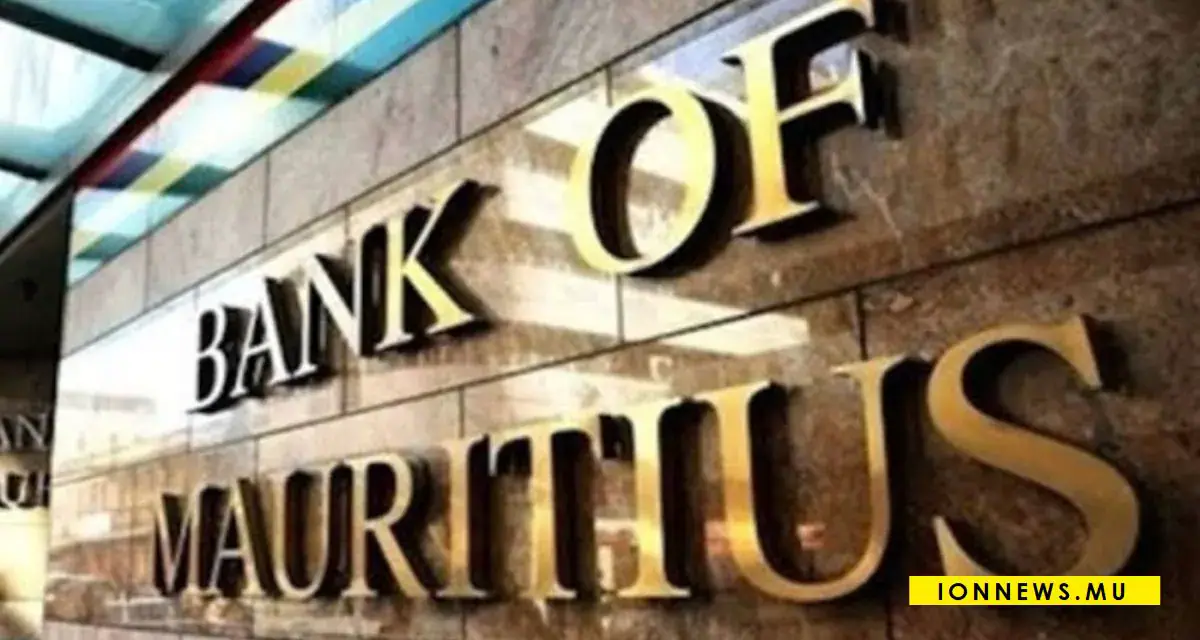
The Monetary Policy Committee of Mauritius has raised the country's key interest rate from 4.75% to 5%. This decision was made to address the increasing cost of living, which has seen a significant rise in prices over the past few months. According to Statistics Mauritius, the annual inflation rate reached 6.4% in October 2026, up from 4.4% in July 2026.
The increase in inflation is attributed to the rising costs of food, beverages, fuel, and education. Statistics Mauritius reported that nearly half of the products in the household basket have increased by more than 5%. The central bank's decision aims to prevent prices from rising further in 2027, especially with the threat of drought affecting local harvests and tensions in the Middle East increasing import costs.
The immediate impact of the interest rate hike will be felt by borrowers. When the central bank increases its key rate, commercial banks typically pass on the increase to their customers. This means that individuals with variable-rate loans, such as mortgages, car loans, or personal loans, may see their monthly payments increase or their loan terms extended.
According to Statistics Mauritius, the average Mauritian household has a disposable income of around Rs 55,600, with approximately Rs 41,870 spent on current expenses. With nearly half of families already repaying loans, the increased interest rates will reduce the amount available for other expenses. Furthermore, making loans for buying or building a house more expensive may slow down the property plans of young professionals.
On the other hand, the interest rate hike benefits savers. By increasing interest rates, the central bank encourages banks to offer better returns on savings accounts and term deposits. This move aims to incentivize Mauritians to save rather than spend immediately. The change in financial habits is already being seen, with households opting for local products or cheaper alternatives at supermarkets.
The rising cost of living is also influencing transportation choices, with many workers turning to public transport, such as the Metro Express, and reducing their leisure activities. Despite the economic growth of 3% driven by tourism and finance, as reported by Statistics Mauritius, households are adapting to the new financial reality.
The central bank's decision is seen as a necessary but difficult choice to protect the purchasing power of the population in the long term. Without the interest rate hike, inflation was expected to reach 5.5% by the end of 2027, further eroding the value of salaries and pensions. In the coming months, Mauritian families will need to be cautious with their finances, avoiding unnecessary debt and prioritizing savings.
Key points
- The interest rate hike aims to combat rising inflation, which reached 6.4% in October 2026.
- The increase in interest rates will affect borrowers, with potential increases in monthly loan payments.
- The move is expected to incentivize savings and protect the purchasing power of Mauritian households.