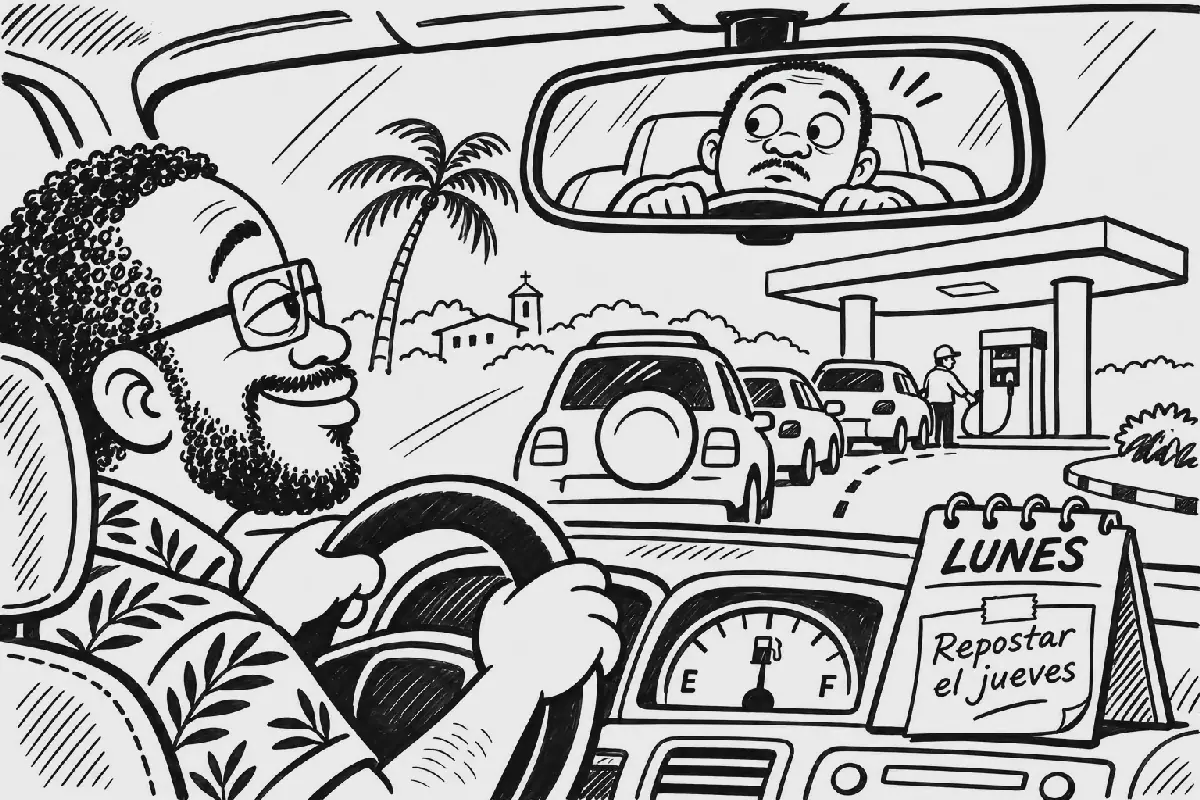
A sense of urgency has gripped drivers in Malabo, Equatorial Guinea, as they rush to fill up their tanks amid fears of a potential fuel shortage. The phenomenon has been observed at various gas stations, with some motorists even bringing containers to collect fuel. This sudden surge in demand has raised questions about whether the situation constitutes hysteria or prudent planning.
According to Ondó, a local taxi driver, the decision to fill up his tank was driven by a desire to avoid potential losses. With his current fuel supply lasting until Thursday, he weighed the costs of refueling now versus waiting and risking an empty tank. His thought process was simple: if he waited and the station ran out of fuel, he could lose an entire day's work. By refueling now, he may miss a fare, but at least he would have a full tank.
The situation is further complicated by the fact that some drivers, like Ondó, pay for fuel in francs, while others may have different payment arrangements. This disparity can lead to unequal distribution of the burden, with those who can afford to fill up their tanks possibly resolving their concerns with a single trip, while those who can only afford a few liters may remain uncertain about their fuel supply.
The uncertainty surrounding the fuel supply has already started to affect drivers' financial planning. By refueling now, Ondó is essentially advancing an expense that reduces his available funds for food or unexpected expenses. This added financial burden is not evenly distributed, as those who can afford to wait may not feel the same level of pressure.
To mitigate the situation, it is essential to provide drivers with reliable information about the fuel supply. This could include updates on when the next shipment is expected to arrive and whether there are any difficulties with the current supply. By sharing this information, drivers like Ondó can make informed decisions about whether to wait or refuel.
The current situation in Malabo highlights the challenges of managing fuel supply and demand. While some drivers may be accused of hysteria, it is essential to consider the costs associated with waiting or refueling. By understanding the motivations behind drivers' actions, it becomes clear that prudence, rather than panic, is driving the rush to gas stations.
Ultimately, the situation in Malabo serves as a reminder of the importance of effective communication and planning in managing fuel supply and demand. By providing drivers with accurate and timely information, authorities can help reduce uncertainty and alleviate the pressure on gas stations. This approach can help prevent unnecessary rushes and ensure a more stable fuel supply for all drivers.
Key points
- The rush to gas stations in Malabo is driven by fears of a potential fuel shortage, with drivers seeking to avoid potential losses and uncertainty.
Reporting sources
- Colas por combustible en Malabo: ¿histeria o prudencia? · AHORAEG Guinea Ecuatorial - Diario online líder de noticias