Mauritius and Seychelles have taken the first step in evaluating the oil potential of their shared maritime space. The two countries have signed an agreement with CGG Services SAS, part of the Viridien group, to conduct geo-scientific studies in their joint management area (JMA) of the Mascarene Plateau. This preliminary study, which does not involve drilling or physical intervention on the seabed, aims to determine if the region's geological characteristics are favorable to the presence of hydrocarbons.
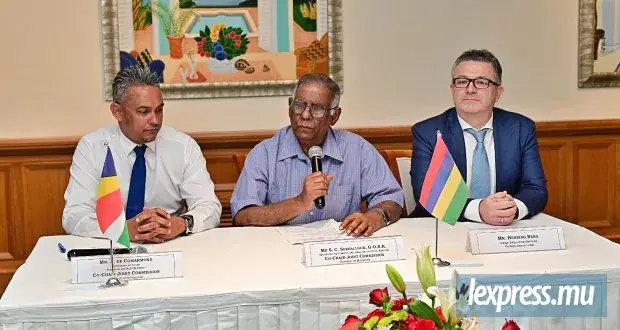
The agreement, exchanged on November 25 at the Maritim Resort & Spa, was a highlight of the 31st meeting of the Mauritius-Seychelles Joint Commission. The study will involve collecting and processing geophysical data to determine if the seafloor's geological structure has characteristics compatible with the presence of hydrocarbon deposits. This is not an oil exploration contract, but a preliminary scientific study. The results will provide both governments with reliable data to consider future decisions on harnessing the natural resources of this area.
The study is expected to have no costs for the two states. This initiative is strategic in the current international context, marked by geopolitical tensions, supply chain disruptions, and volatile raw material prices. It could contribute to the reflection on energy security and economic diversification while promoting technology transfer and local capacity building. The study will help better understand the potential resources of this shared oceanic heritage and inform future choices for Mauritius and Seychelles.
During the ceremony, Secretary to the Cabinet and Head of the Public Service, Suresh Seeballuck, emphasized the need to balance economic prospects with environmental responsibilities. He stated that their approach must remain balanced so that economic opportunities are pursued responsibly and in accordance with the joint management treaty and applicable international law. Dr. Rezah Badal, Director General of the Department for Continental Shelf, Maritime Zones Administration & Exploration, also highlighted the prospects offered by this cooperation, particularly in scientific knowledge and technological capacities.
This initiative is part of the bi-annual meetings between the two countries, held from November 23 to 25. The Joint Commission, established in 2012, oversees the management of the JMA in accordance with international law, particularly the United Nations Convention on the Law of the Sea. The JMA, approximately 396,000 km² in size, is a unique example of joint management of seabed resources by two island states.
The results of the study will enable Mauritius and Seychelles to better understand the potential resources of this shared oceanic heritage and inform future choices. The study is a crucial step in assessing the oil potential of the Mascarene Plateau and could have significant implications for the economic and energy security of both countries. The findings will provide valuable insights into the region's geological characteristics and their potential for hydrocarbon deposits.
The agreement with CGG Services SAS marks a significant milestone in the cooperation between Mauritius and Seychelles. The study's outcomes will be crucial in determining the future course of action for harnessing the natural resources of the Mascarene Plateau. Both countries are expected to benefit from the study's findings, which will inform their decisions on the sustainable management of their shared maritime resources.
Key points
- The study aims to determine if the geological characteristics of the Mascarene Plateau are favorable to the presence of hydrocarbons.