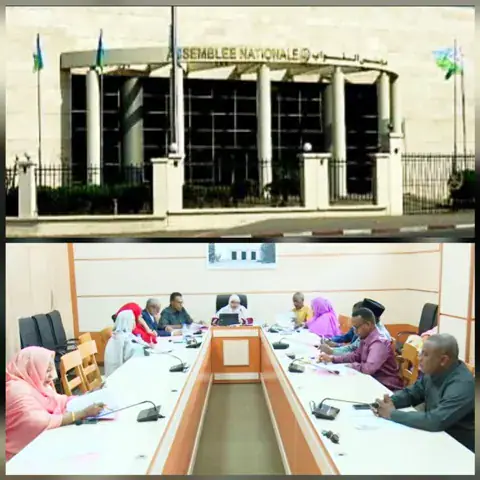
Djibouti's Legislative Committee on Public Administration and Human Rights met on November 23, 2026, to review a bill aimed at combating corruption. The meeting, chaired by Deputy Kulthum Farah Said, discussed the bill's provisions and requirements to enhance the country's anti-corruption framework. The bill, numbered 44 of 2026, is part of efforts to promote transparency and good governance in Djibouti.
The meeting was attended by Minister of Justice and Prison Affairs Ali Hassan Bahdon, who is also responsible for human rights and parliamentary relations. The head of the Independent National Anti-Corruption Commission, Badriyah Zakariya Sheikh Ibrahim, was also present. The committee reviewed the bill's various provisions and engaged in in-depth discussions on its contents and implications.
The bill aims to strengthen Djibouti's legal and institutional frameworks for preventing and combating corruption. The committee's review focused on achieving this goal and ensuring that the bill aligns with international best practices. The discussions also centered on the bill's potential impact on promoting accountability and transparency in the country.
Following the meeting, the committee proposed several amendments to the bill before it is submitted to the National Assembly for further consideration. The committee expressed a positive opinion on the bill, paving the way for its progress through the legislative process. The proposed amendments aim to enhance the bill's effectiveness in addressing corruption.
The review of the anti-corruption bill is part of Djibouti's efforts to strengthen its institutions and promote good governance. The country's authorities have been working to enhance transparency and accountability in recent years. The bill's passage is expected to contribute to these efforts and reinforce Djibouti's commitment to fighting corruption.
The Legislative Committee's review of the bill was a constructive and collaborative process, with attendees engaging in productive discussions. The committee's proposals for amendments reflect its commitment to ensuring that the bill is effective in addressing corruption. The bill's consideration is a significant step towards promoting transparency and accountability in Djibouti.
The next step in the bill's consideration is its submission to the National Assembly for debate and voting. If passed, the bill will become an important tool for Djibouti in its fight against corruption. The country's authorities have emphasized their commitment to implementing effective measures to prevent and combat corruption, and the bill's passage is expected to be a key milestone in this effort.
Key points
- The Djibouti Legislative Committee has reviewed and proposed amendments to an anti-corruption bill aimed at enhancing transparency and good governance.
Reporting sources
- Al Qarn · Al Qarn