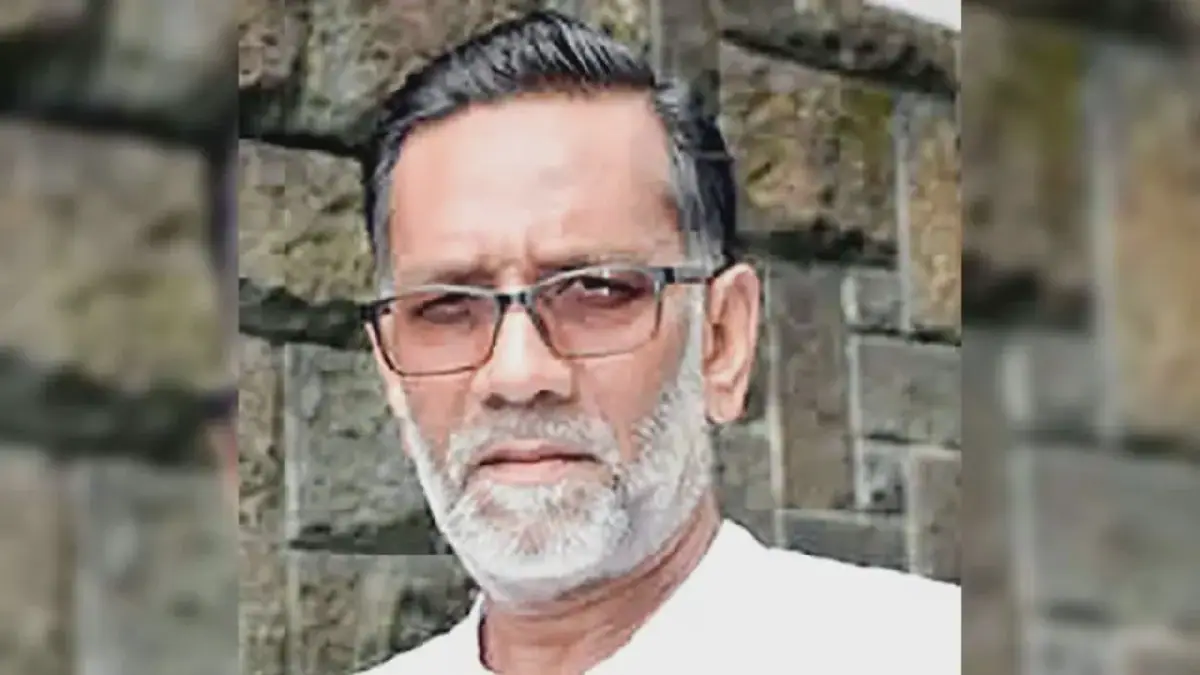
The role of a parent to a child with a disability is a lifelong appointment that comes with immense responsibility. For M. Ali Jookhun, an Executive Council Member of the Organisation of Social Kinesiologists and representative of the African Disability Forum, this journey began in 1993 with the birth of his twin daughters, Irfaana and Umraana, who were born with multiple disabilities. This experience changed his life and informed his advocacy for the rights and dignity of persons with disabilities.
From the outset, parents of children with disabilities need truthful information, emotional support, and practical guidance on healthcare, education, and social protection. They require a clear point of contact, accessible information, peer support, and coordinated services. The support offered at this stage can significantly impact a family's wellbeing for years to come. Jookhun stresses that timely, rights-based early-intervention services are crucial, and ministries must work together to provide these services without delay.
As children grow, the responsibilities of parents may become more complex, particularly for those with multiple disabilities and high support needs. Families may need to coordinate various services, including healthcare, rehabilitation, education, and protection. Accessible, affordable, and trustworthy short-break services, or respite care, are essential to enable parents to rest and care for other children. Social protection should also recognise the additional costs linked to disability and provide reliable financial assistance.
The language used to describe children with disabilities matters, according to Jookhun. Rather than reducing a child to a label, he advocates for a focus on their personality, abilities, rights, and aspirations. No parent should be expected to carry the responsibility of caring for a child with disabilities alone. Employers should consider flexible working arrangements, and public authorities should ensure that services are accessible, coordinated, and responsive.
Daily life can be unnecessarily difficult for families with children with disabilities due to inaccessible transport, buildings, information, and attitudes. Removing these barriers is not an act of generosity but a fulfilment of equal rights. Education is particularly crucial, and inclusive education means adapting the system to the learner through accessible materials, trained personnel, and reasonable accommodation.
Disability is not a disease that can be cured by a medical prescription. While some children may require medical treatment, disability itself must not be seen solely through a medical lens. A child needs an accessible environment, communication support, and meaningful participation in education and society. Jookhun's advocacy emphasises the importance of recognising the dignity and rights of every child, including those with disabilities.
The Mauritian government and relevant institutions must work together to ensure that families with children with disabilities receive the support they need. This includes coordinated services, accessible information, and financial assistance. By doing so, they can help create a society where children with disabilities can belong, participate, and thrive alongside their peers.
Key points
- The lifelong appointment of caring for a child with a disability requires coordinated support services and recognition of the child's dignity and rights.
- Timely, rights-based early-intervention services are crucial for families with children with disabilities.
- Inclusive education and accessible environments are essential for enabling children with disabilities to participate and learn alongside their peers.