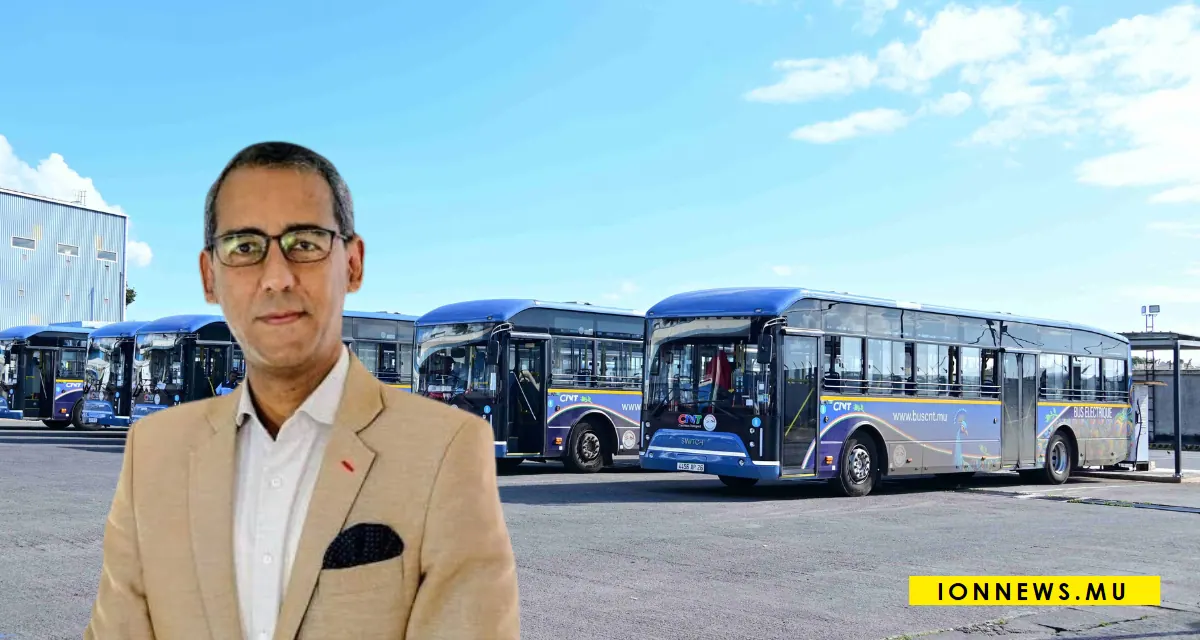
The Mauritian government's decision to maintain public transport fares despite the recent increase in fuel prices has elicited mixed reactions from citizens. The announcement by Transport Minister Osman Mahomed has generated significant interest, with many questioning the sustainability of this measure. On September 30, a post on ION News' Facebook page garnered over 300 comments, with several users expressing their opinions on the matter.
Many citizens believe that the government's decision is merely a temporary reprieve, with some predicting that fares will eventually increase. S. S. B. and G. H. A. share this view, with the former stating that the current situation is unsustainable and the latter suggesting that the government is merely delaying the inevitable. These comments reflect a common concern among citizens that the government's measure may not be effective in the long term.
The financing of the government's measure has also raised concerns among citizens. Z. Z. questioned whether the difference in fuel costs would be covered by consolidated funds, and whether taxpayers would ultimately bear the cost. The user also suggested that ministers should consider reducing their salaries to offset the costs. This sentiment reflects a broader concern about the fairness and sustainability of the government's measure.
Some citizens have come out in support of bus operators, arguing that they need to increase their diesel grants to remain operational. Z. Y. argued that individual owners would need to receive higher diesel grants if transport fares were not increased. A. G. also expressed concern about the impact on bus operators, suggesting that the National Light Rail Transit Authority (NLTA) should take responsibility.
Others have warned of potential disruptions to public transport services. T. M. Z. suggested that individual bus owners might be forced to cease operations if diesel costs continued to rise. On the ground, some citizens have already reported increases in taxi fares, according to J.J. This development has raised concerns about the impact on commuters and the broader economy.
The debate highlights the challenges faced by the government in balancing the needs of citizens with the rising costs of fuel. While the decision to freeze transport fares may provide temporary relief to citizens, it has also raised concerns about the sustainability of this measure. The government will need to carefully consider these concerns as it moves forward with its policy.
The reaction from citizens underscores the need for effective communication and engagement on this issue. As the government continues to grapple with the challenges posed by rising fuel costs, it will be essential to consider the perspectives and concerns of all stakeholders. By doing so, the government can work towards finding a solution that balances the needs of citizens with the realities of the current economic situation.
Key points
- The Mauritian government has frozen public transport fares despite rising fuel costs, sparking debate among citizens about the sustainability of this measure.
- Citizens have expressed concerns about the financing of the measure and its potential impact on bus operators and commuters.
- The government will need to carefully consider these concerns as it moves forward with its policy.