On September 21, 2026, Mauritanian President conducted a visit to the city of Wadane, where he met with residents and heard their concerns firsthand. The visit was seen as a significant opportunity for the President to engage with the local population and understand their needs. During the meeting with local officials, the President and his team listened attentively to various issues raised by the attendees, including concerns about the city's infrastructure and services. The ministerial team provided responses and clarifications on many of the matters raised.
The President announced that the government would address the issue of the city's road infrastructure in the short term by including it in the 2027 state budget. Additionally, measures would be taken to address other concerns raised by the citizens, within the available resources. The visit was appreciated by the local population, who valued the President's willingness to listen to their concerns and engage with them directly.
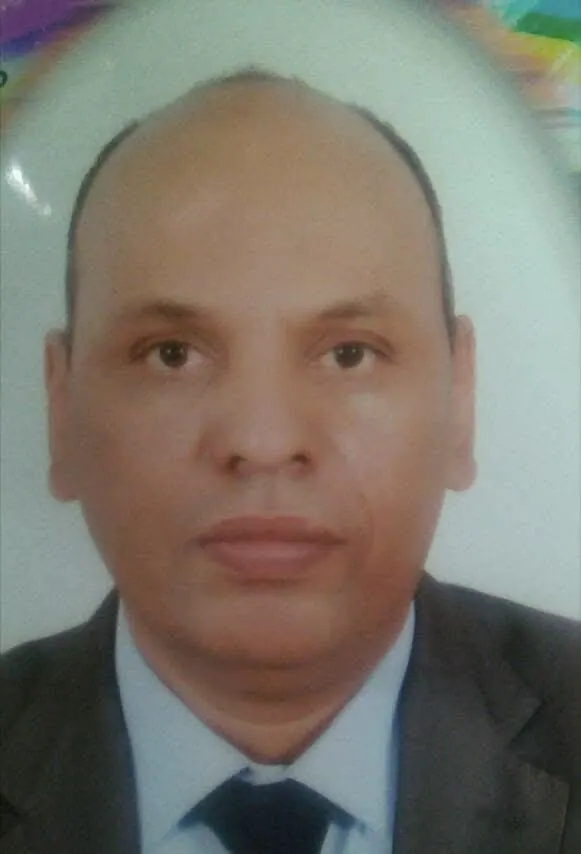
A researcher and PhD student, Muhammad Ali Wul Hafiz, who attended the meeting, expressed gratitude to the President for undertaking the visit and engaging with the local population. Hafiz noted that while the discussions were productive, there were two key issues he would have liked to raise with the President if given the opportunity. These issues relate to the city's urban planning and the development of sustainable projects for vulnerable groups.
Hafiz emphasized the need for a clear urban planning strategy for Wadane, which would define the relationship between the historic city and its modern extensions. He noted that the city's horizontal expansion in some areas was unorganized, and the street network lacked a comprehensive urban vision. This situation could make it challenging to implement future development programs, particularly those related to infrastructure, transportation, and public services.
The second issue raised by Hafiz concerns the interventions of the Tazir Agency, which implements programs and projects to support vulnerable groups. While acknowledging the importance of these initiatives, Hafiz suggested that consideration should be given to developing a specialized mechanism or management structure to support small and micro-economic projects, particularly for vulnerable groups and those far from decision-making centers and economic opportunities.
The proposed approach aims to move beyond mere assistance and instead empower beneficiaries to establish sustainable economic activities through training, accompaniment, financing, and follow-up. This strategy could contribute to expanding financial inclusion and creating more sustainable local investments, transforming beneficiaries from aid recipients to project owners capable of self-sufficiency.
Hafiz concluded by reiterating his gratitude to the President and his delegation for the visit, as well as to the people of Wadane for their warm reception and participation in the meeting. The visit demonstrated the government's commitment to engaging with citizens and addressing their concerns, and it is expected that the proposed initiatives will have a positive impact on the city's development.
Key points
- The Mauritanian President's visit to Wadane highlights the government's efforts to engage with citizens and address their concerns.
- A clear urban planning strategy is needed to guide Wadane's development and ensure sustainable growth.
- Developing sustainable projects for vulnerable groups is crucial for promoting economic empowerment and self-sufficiency.