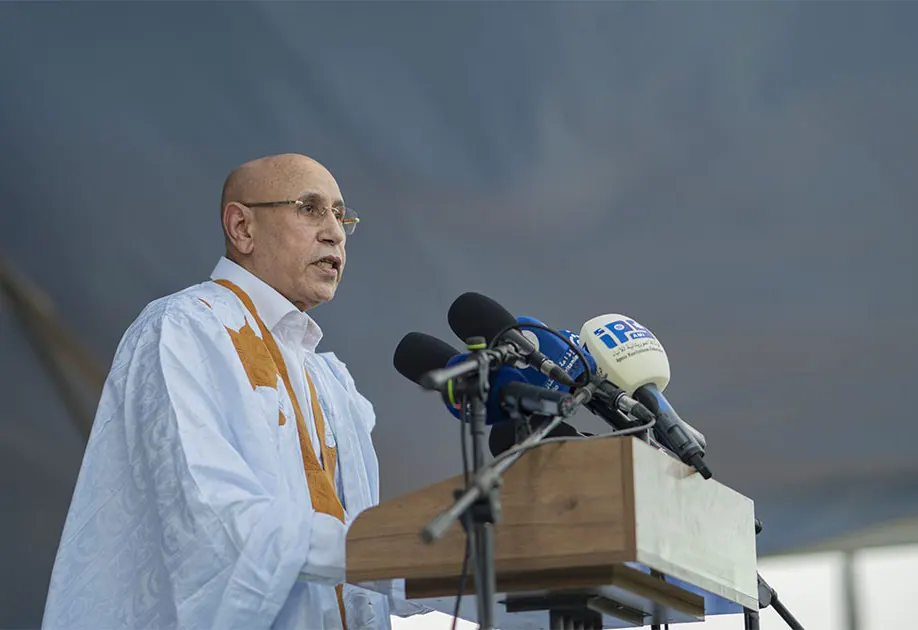
Mauritanian President Mohamed Ould Cheikh El Ghazouani has concluded a tour of the Adrar and Inchiri regions, a move seen as an attempt to revive the national dialogue and address growing concerns over a potential third term. The tour, which included stops in Atar and Akjoujt, was not just a courtesy visit but a strategic effort to balance the country's politics. With the national dialogue facing boycotts from several opposition parties and coalitions, Ghazouani's speeches aimed to calm the political atmosphere.
The president's visit comes amid rising tensions over a potential third term, with several motions of support and campaigns for constitutional revisions emerging in recent weeks. The opposition has denounced these moves as a threat to democratic alternation. In Atar, Ghazouani sought to address these concerns by emphasizing the importance of respecting institutions and focusing on development projects. However, his message was seen as insufficiently strong by many observers, who argue that a more explicit condemnation of the third-term rhetoric is needed.
A major challenge facing Ghazouani is rebuilding trust with the opposition, which has been critical of his administration's handling of justice and impunity for those accused of corruption and tribalism. The opposition has also called for electoral reforms and an end to pressure on political actors, bloggers, and civil society. While Ghazouani extended an olive branch for a "serious" dialogue in Akjoujt, the opposition has set out preconditions, including reforms to the electoral commission and measures to address the high cost of living.
To salvage the national dialogue, Ghazouani's words must be quickly translated into actions. The opposition is demanding concrete guarantees, such as reforms to the electoral commission, access to public media, and measures to address the high cost of living. While Ghazouani's promises of infrastructure development in Inchiri may have resonated with local populations, they are unlikely to convince Nouakchott's political leaders.
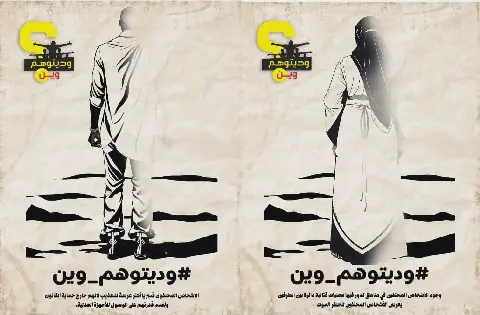
The opposition's distrust of Ghazouani's administration is rooted in several issues, including the arrest of critical figures like Lebatt Ould Mayouf and the perceived impunity enjoyed by those promoting constitutional violations and tribalism. The opposition has emphasized that stability in Mauritania depends on strong institutions and guarantees of alternation, rather than on one individual.
Ghazouani's tour may have temporarily calmed the political atmosphere, but the reprieve is short-lived. To genuinely salvage the national dialogue and cement his status as a guarantor of Mauritanian democracy, Ghazouani must move beyond rhetoric and take concrete steps to address the opposition's concerns. Failure to do so risks further boycotts and undermining the legitimacy of the national dialogue.
The outcome of Ghazouani's efforts remains uncertain, with many questioning whether his words and gestures will suffice to bring the opposition back to the negotiating table. As the national dialogue continues to face challenges, one thing is clear: the president's actions in the coming days and weeks will be crucial in determining the course of Mauritania's democratic future.
Key points
- President Ghazouani's northern tour aims to revive the national dialogue and address concerns over a potential third term.
- The opposition demands concrete guarantees, including electoral reforms and measures to address the high cost of living.
- The success of the national dialogue depends on Ghazouani's ability to translate his words into actions and address the opposition's concerns.