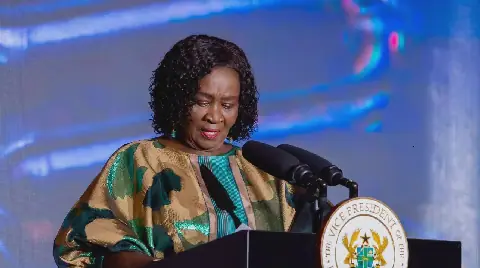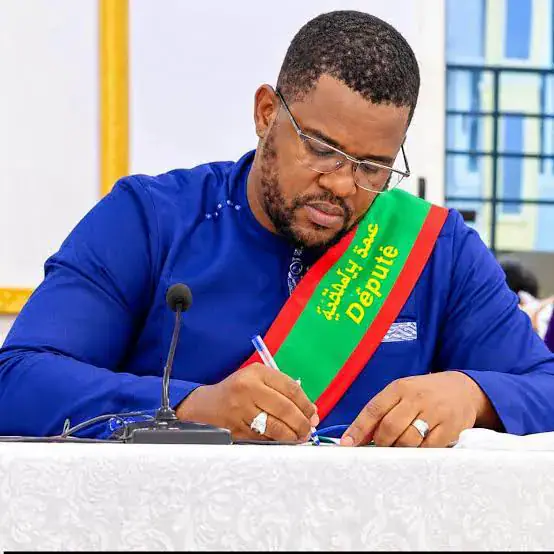
Mauritanian parliamentarian Khalil Diallo has publicly criticized Minister of Fisheries Isata Lam for delivering a speech in classical Arabic on the country's 66th independence anniversary. Diallo expressed his disapproval on social media, stating that a minimal sense of responsibility and dignity should have prompted the minister to refrain from speaking in classical Arabic. He argued that the minister's decision made her appear ridiculous.
Diallo's criticism was linked to the anniversary of November 28, a date that he said recalled a painful history in Mauritania. He implied that the country's past, particularly issues related to human heritage, remained unresolved. The parliamentarian also expressed concerns about the timing of Lam's speech, which coincided with the implications of a new educational directive that he claimed would harm certain citizens and potentially exclude them.
Minister Isata Lam's speech in classical Arabic was part of the celebrations marking Mauritania's independence anniversary. In her address, she reviewed achievements in the marine fishing sector. This incident has reignited debate in Mauritania about the role of the Arabic language in administration and education, as well as its relationship with national languages and French.
The controversy surrounding Lam's speech has sparked renewed discussion on the limits of linguistic differences in Mauritania. The debate centers on whether promoting Arabic as the official language can coexist with protecting cultural and linguistic diversity and ensuring equality among citizens. This issue has been a point of contention in the country, with various stakeholders holding different views.
In October, Mauritanian Culture and Communication Minister Mohamed Ould Babahne issued a directive requiring officials in his sector to use Arabic in official correspondence, memoranda, reports, and documents. This move has been met with resistance from some quarters, with parties and movements expressing concerns about the implications for linguistic equality and diversity.
A group of politicians and activists released a statement opposing the exclusive use of Arabic in administration, citing concerns about citizen equality and linguistic diversity. The statement, signed by prominent figures, called on authorities to abandon any administrative measures that would entrench linguistic hierarchies. They advocated for a balanced approach to national language policy that promotes and values all national languages.
The Mauritanian Constitution designates Arabic as the official language, a status it has held since a 1968 constitutional amendment. The current debate highlights ongoing tensions and discussions about language policy in the country, with various stakeholders pushing for their preferred approaches to linguistic diversity and administrative communication.
Key points
- Mauritanian parliamentarian Khalil Diallo criticizes Minister of Fisheries Isata Lam for using classical Arabic in a speech on the country's 66th independence anniversary.
- The incident has reignited debate in Mauritania about the role of the Arabic language in administration and education.
- A group of politicians and activists released a statement opposing the exclusive use of Arabic in administration, citing concerns about citizen equality and linguistic diversity.
Reporting sources
- موريتانيا.. خطاب لام بالفصحى يثير حفيظة خالي ديالو ويعيد جدل اللغة · saharamedias.net