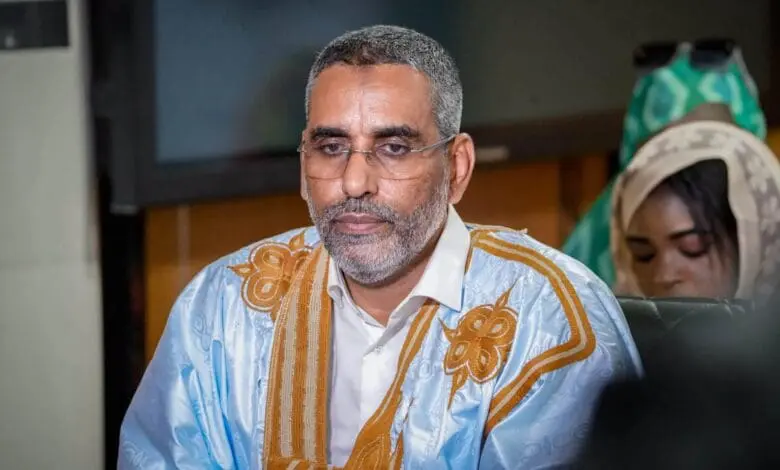
Mauritanian deputy Mohamed Bouya Cheikh Mohamed Fadel has emphasized the need for the government to prioritize national interests in the renewal of the country's fishing agreement with the European Union. In a statement on his Facebook page, Fadel stressed that the agreement must be carefully reviewed to ensure it aligns with Mauritania's needs and goals. He highlighted the importance of defining national interests and providing negotiators with technical expertise to secure a favorable deal.
Fadel's comments come as the Mauritanian government prepares to renew the agreement, which has been in place for decades. The current agreement provides for the EU to pay approximately 57.5 million euros per year in exchange for access to Mauritanian waters for EU fishing fleets. An additional 3.3 million euros is provided annually to support local communities, research, and infrastructure development in the fishing sector. However, Fadel argues that the agreement must be revised to better serve Mauritania's interests.
The deputy identified several key areas that require attention in the renewal negotiations, including the duration of the agreement, the quantities and species of fish allowed to be caught, and the financial compensation provided to Mauritania. He also emphasized the need to improve working conditions and rights for Mauritanian fishermen, as well as facilitate legal immigration. Furthermore, Fadel suggested that the agreement should be linked to the export of national products to European markets and the financing of maritime infrastructure.
Fadel's call for a careful review of the agreement reflects concerns about the potential impact on Mauritania's fishing industry and the country's economy. With a coastline stretching over 700 kilometers, Mauritania is home to some of the world's most valuable fishing grounds. However, the country's resources are under threat from overfishing, and there are concerns about the long-term sustainability of the industry. The government must balance the need to protect national interests with the need to maintain a positive relationship with the EU.
The renewal of the fishing agreement is also seen as an opportunity to support the development of Mauritania's fishing sector. Fadel suggested that the agreement should include provisions for training and capacity-building for Mauritanian fishermen and other stakeholders. This could help to improve the competitiveness of the country's fishing industry and increase its contribution to the national economy.
The Mauritanian government's handling of the agreement renewal has significant implications for the country's future. Fadel's comments highlight the need for transparency and accountability in the negotiation process. The selection of a negotiation team and the provision of necessary information will be crucial in securing a favorable deal. The government must also ensure that the agreement is submitted to the National Assembly for ratification before it is signed.
The fishing agreement between Mauritania and the EU is a critical component of the country's economic and environmental policies. The agreement's renewal will have far-reaching consequences for the country's fishing industry, its people, and the environment. Key issues to be addressed in the negotiations include ensuring the long-term sustainability of fish stocks, promoting the interests of Mauritanian fishermen, and securing a fair financial return for the country.
Key points
- The Mauritanian government must prioritize national interests in the renewal of the EU fishing agreement.
- The agreement must be carefully reviewed to ensure it aligns with Mauritania's needs and goals.
- The renewal negotiations should address key issues such as the duration of the agreement, financial compensation, and working conditions for Mauritanian fishermen.