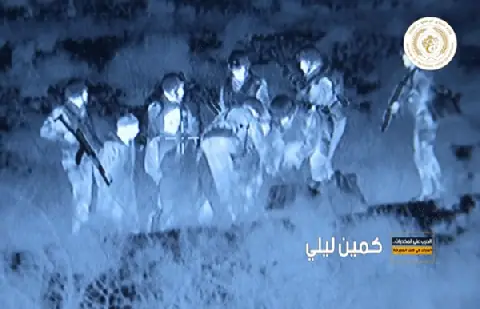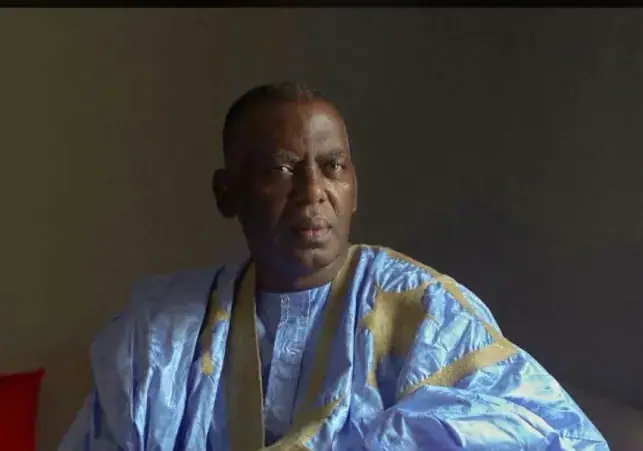
In Mauritania, the law provides a framework for addressing the unauthorized release of private videos. According to Cheikh Aïdara, who wrote an article on the subject, Birame Dah Abeid has the right to file a complaint against those who leaked his video. The Mauritanian legal system considers the leaking of private videos a serious offense, punishable by law.
The Mauritanian law on cybercrime, specifically Article 24 of the law n° 2016-007, prohibits the recording and dissemination of images or sounds without the consent of the individuals involved. This law aims to protect individuals' privacy and prevent the misuse of personal information. Those found guilty of leaking private videos can face imprisonment and fines.
In a civil court, the leaked video would be considered inadmissible as evidence due to its illicit nature. The Mauritanian civil procedure code emphasizes the importance of loyalty and good faith in presenting evidence. The use of clandestinely obtained recordings would be a clear breach of this principle. Therefore, any lawsuit attempting to use the leaked video as evidence would likely be deemed irreceivable.
Birame can explore various avenues for recourse, including filing a complaint with the public prosecutor or presenting himself to the police or gendarmerie. He can also consider constituting himself as a civil party to seek compensation for the moral and material damages he has suffered. Additionally, Birame can reach out to the Autorité de Protection des Données à caractère personnel to report the unauthorized processing of his personal data.
The Mauritanian law on data protection, specifically Loi n° 2017-020, provides an additional layer of protection for individuals' personal information. This law classifies images and sounds as personal data and prohibits the processing of sensitive information without consent. Those found guilty of violating this law can face penalties, including fines and imprisonment.
In cases where leaked videos are accompanied by allegations of defamation, insults, or extortion, additional penalties can be applied. The Mauritanian judicial system allows for the imposition of complementary measures, such as the publication of the court decision or the removal of illicit content. Birame can seek urgent measures to stop the dissemination of further private videos and obtain compensation for the damages he has suffered.
Ultimately, the Mauritanian legal system provides Birame with a range of options to address the leaking of his private video. By exercising his rights and seeking recourse through the courts, Birame can aim to hold those responsible accountable and protect his personal information and reputation. The laws in place demonstrate the country's commitment to safeguarding individuals' rights and preventing the misuse of personal data.
Key points
- Birame can file a complaint against those who leaked his private video under Mauritanian law.
Reporting sources
- Birame a le droit de porter plainte contre le ou les diffuseur (s) de la vidéo fuitée · L'Authentique (Mauritania)