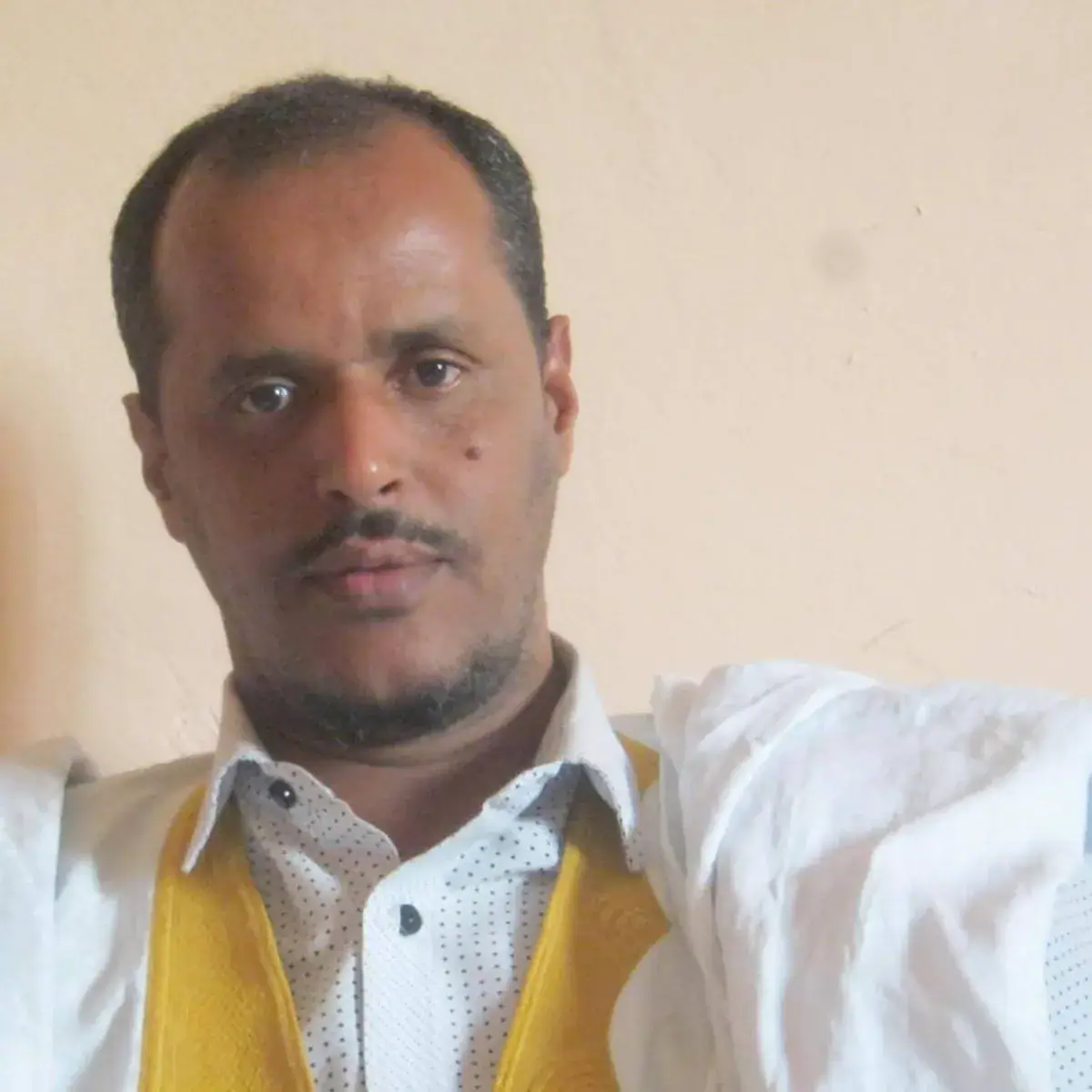
Mauritanian Labor Minister's program faces criticism from Mohamed Vall Ould Rabani, Secretary-General of the Mauritanian Workers' Confederation. Ould Rabani described the program as temporary and partial, lacking specific commitments and practical guarantees. He expressed concerns that it fails to address the country's economic and social challenges. The program was presented by Prime Minister Moktah Ould Aje.
Ould Rabani stated that a thorough review of the program reveals three main issues. These include a lack of specific commitments, such as announced wage and pension increases, unclear implementation timelines, and no specific financial commitments. He also noted that the measures focus on temporary solutions rather than structural reforms. Additionally, he criticized the absence of a comprehensive social vision.
The labor leader emphasized the need for a transparent and fair system to determine fuel prices. This system should protect citizens from international price fluctuations and allow them to benefit from decreases. Ould Rabani also called for a review of taxes, fees, and distribution margins that affect final prices. His comments highlight concerns about the government's approach to economic management.
Ould Rabani discussed the issue of compensating employees and retirees for inflation. He argued that this should be addressed through a sustainable policy to review wages and pensions in line with actual living cost increases. The labor leader was also skeptical about the government's invitation to negotiations on private sector worker wages. He believed this step alone does not constitute a significant social achievement.
The Secretary-General of the Mauritanian Workers' Confederation suggested that the government should have announced a general social negotiation. He emphasized the need for a clear timeline and mechanisms to ensure the implementation of negotiation results. Ould Rabani stressed the importance of paying special attention to workers with minimum wages. He questioned the exclusion of other workers from such negotiations.
Ould Rabani criticized the Public Service and Labor Ministry for excluding the Confederation from discussions related to the private sector. This exclusion includes reviews of collective agreements, despite the Confederation's national representation in both sectors. He highlighted what he described as injustice in this approach.
The labor leader also commented on the government's plan to partially cover water and electricity bills for low-income families. While he saw this as a temporary measure, he advocated for a permanent social tariff based on clear income and consumption criteria. Ould Rabani emphasized the need to ensure low-income groups' access to basic services at affordable prices.
Key points
- The Mauritanian government faces criticism from labor leaders over its social program.
- The program is seen as temporary and partial, lacking specific commitments.
- The government must address concerns about economic and social challenges.