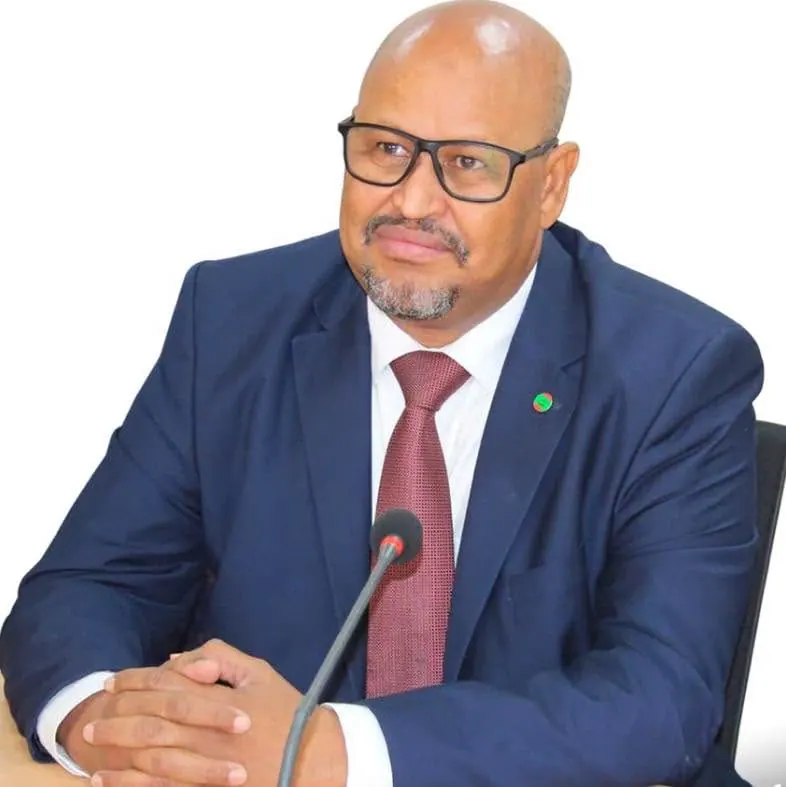
Mauritanian agricultural expert and former Director General of the National Agency for the Great Green Wall, Sidna Ould Ahmed Ael, has proposed nine priorities for the country's new Oasis Agency. The agency was announced by President Mohamed Ould Ghazouani last week to oversee the development of oases and restructure the institutional framework associated with them. Ould Ahmed Ael emphasized the need for a clear and limited set of practical steps to begin with.
Ould Ahmed Ael's proposal includes conducting an objective and comprehensive evaluation of previous oasis project experiences to identify results, extract lessons, and build on successful approaches. He also suggests creating a comprehensive inventory and digital atlas of oases and their water resources to guide planning and investment. Additionally, he recommends developing a special program for exploring and managing water resources, promoting water-saving irrigation techniques, and improving palm tree productivity.
The expert's priorities also include launching a program to improve palm tree productivity, renewing degraded oases, and diversifying agricultural production within them. Furthermore, he suggests promoting agricultural research, extension services, and pest control. Ould Ahmed Ael also recommends selecting a limited number of model production poles, integrating investments in a comprehensive package that includes water, energy, roads, production, storage, processing, and marketing.
Ould Ahmed Ael proposes restructuring the Mauritanian Dates Company on clear economic and commercial grounds, encouraging partnerships with the private sector, and developing processing industries. He also suggests establishing a specialized unit within the new agency to prepare projects, mobilize financing, and attract investments. Moreover, he recommends creating a national portfolio of financeable projects and engaging oasis associations, the private sector, producers, and local communities in the planning process.
The expert emphasizes the importance of establishing a monitoring and evaluation system based on clear indicators, including palm tree productivity, water use efficiency, producer income, job opportunities, and the volume of investments attracted. He suggests that it would be beneficial to start with a limited number of model regions, measure results accurately, and then expand based on proven success. Ould Ahmed Ael recommends focusing on three or four integrated poles in each targeted state.
According to Ould Ahmed Ael, the President's announcement opens the door to reviewing an old file with new tools and vision, placing the future of oases within a broader discussion of food production, sovereignty, and balanced development. He notes that Mauritania has experience to build upon, lessons to learn from, and opportunities that were not available before, such as technology, climate finance, renewable energy, and partnerships with the private sector.
Ould Ahmed Ael believes that if the new agency is well-designed, given clear tasks, and provided with the necessary flexibility and technical capabilities, it can mark the beginning of a transition from managing separate projects and institutions to building a productive, sustainable oasis economy integrated into the national economy. He stresses that the goal should not be limited to increasing date production but also focus on making oases productive areas for food, wealth, and job opportunities.
Key points
- The Mauritanian government has announced plans to establish an Oasis Agency to oversee the development of oases and restructure the institutional framework associated with them.
- The proposed priorities for the agency include conducting an evaluation of previous oasis project experiences and creating a comprehensive inventory of oases and their water resources.
- The expert emphasizes the importance of establishing a monitoring and evaluation system based on clear indicators to measure the agency's performance.