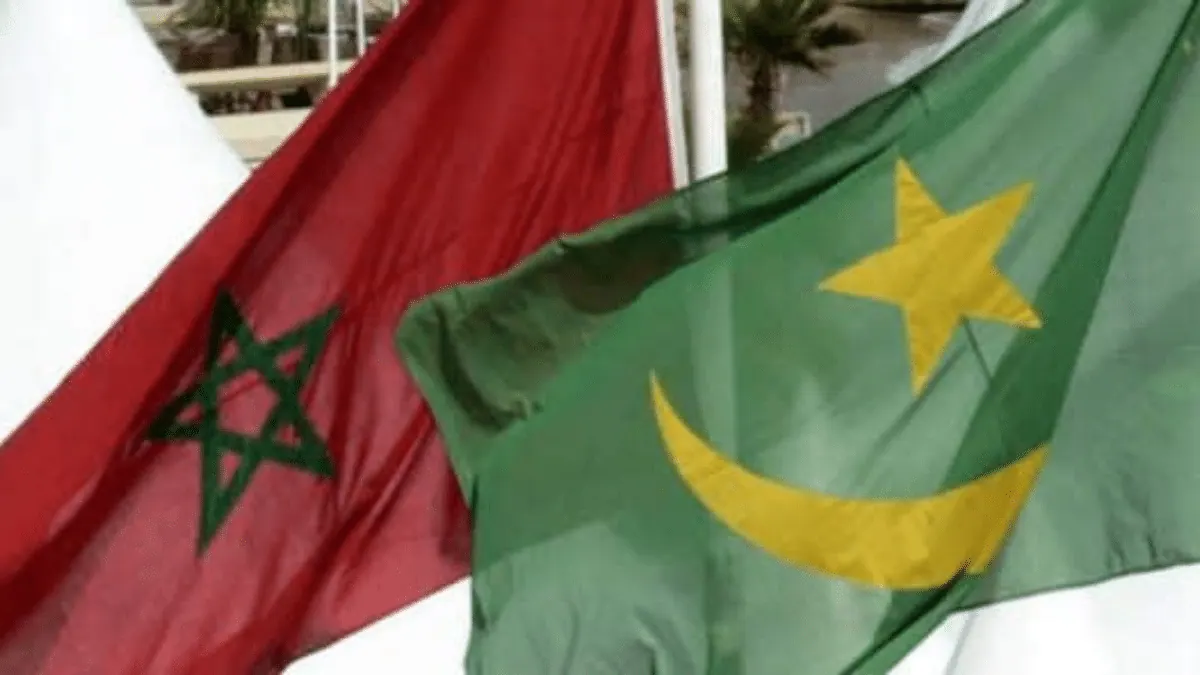
On October 31, 2025, Moroccan King Mohammed VI stated that Morocco's borders extend from Tangier to Lagouira, sparking concerns in Nouakchott about potential territorial claims. This statement, made after the adoption of UN Security Council Resolution 2797, was seen as an attempt to assert Morocco's sovereignty over a larger area. The mention of Lagouira, a strategic location near Mauritania's Nouadhibou port, was particularly alarming to Nouakchott.
In response, Mauritania has requested the creation of a commission to clarify the international borders of Western Sahara. This move is part of ongoing discussions about the region's status, which remains unresolved. The commission aims to establish clear and permanent borders through a consensual process. Mauritania's concerns are driven by the potential for a new territorial configuration in the region, which could impact its own borders and security.
The current process on Western Sahara appears to be entering a more concrete phase, according to Nouakchott. However, this process is based on an autonomy proposal by Morocco, which is rejected by the Front Polisario. The Polisario Front continues to advocate for self-determination for the territory. Mauritania's request for a commission reflects its desire to address border issues before any potential agreement creates new realities on the ground.
Mauritania has no sovereign claims to Lagouira, having renounced its claims to Western Sahara in 1979. However, the country seeks to maintain the status quo around this strategic location and ensure that any future settlement does not create new territorial realities near Nouadhibou without its consent. The proximity of Lagouira to Nouadhibou, a key maritime and economic hub, makes this issue particularly sensitive.
The situation is further complicated by the involvement of the United Arab Emirates in Moroccan projects in Lagouira, including tourism, hospitality, and urban development initiatives. These projects, announced in February 2026, introduce a new economic dimension to the region and raise concerns about potential implications for Nouakchott. The participation of Emirati partners gives these projects a regional significance that goes beyond the relationship between Rabat and Nouakchott.
Nouakchott's request for a commission is a response to several factors, including King Mohammed VI's statement, the evolving political process, and the involvement of Emirati partners in Moroccan projects. By seeking a consensual resolution on borders, Mauritania aims to prevent the creation of new territorial realities that could have significant consequences for its own interests. The country maintains good relations with both Morocco and Algeria, while also recognizing the Sahrawi Arab Democratic Republic and engaging with the Front Polisario.
The situation remains complex, with multiple stakeholders and competing interests. Mauritania's efforts to address border issues through a commission reflect its cautious approach to the evolving situation in Western Sahara. As the region's status continues to be debated, Nouakchott seeks to ensure that its concerns are addressed and its interests protected.
Key points
- Mauritania requests a commission to clarify Western Sahara's borders amid concerns over Morocco's expansionist claims.
- The involvement of Emirati partners in Moroccan projects in Lagouira adds an economic dimension to the region.
- Nouakchott seeks to prevent the creation of new territorial realities that could impact its own interests.