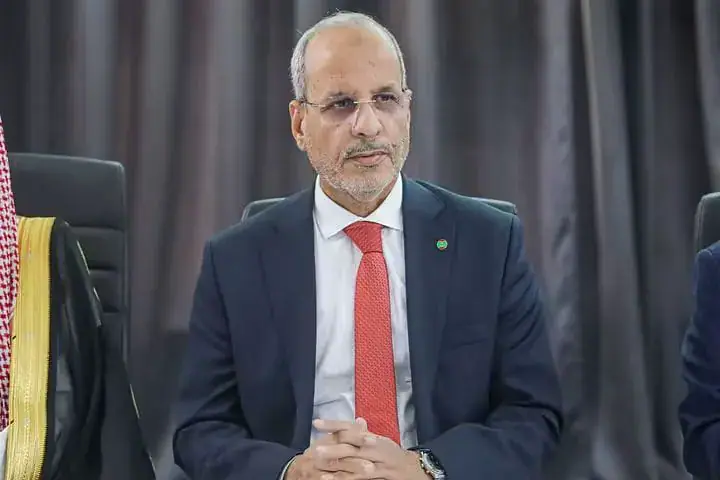
Mauritania's Minister of Vocational Training and Traditional Industry, Mohamed Ould Ayeh, has highlighted the crucial role of vocational training in the country's economic and social development. He made these remarks during a meeting with the Regional UNESCO Center for Quality and Excellence in Education. According to Ould Ayeh, vocational training is a fundamental pillar for development and a key tool for qualifying young people and enhancing their employment opportunities.
Despite the progress made, Ould Ayeh noted that the vocational training system in Mauritania still faces several challenges. These challenges include updating the national strategy, aligning training programs with the needs of the national economy, and strengthening partnerships with the private sector. Additionally, there is a need to develop quality and evaluation mechanisms, as well as improve governance and enhance human and institutional capacities.
Ould Ayeh emphasized that cooperation with the Regional UNESCO Center offers an opportunity for Mauritania to benefit from regional and international expertise. This cooperation aims to conduct a comprehensive diagnosis of the vocational training system, based on the Arab model for vocational and technical education and training. The goal is to update the national strategy and prepare a realistic executive plan that responds to national priorities.
The Minister stressed that the success of this partnership requires the mobilization of various government parties, the private sector, and technical and financial partners. He expressed his hope that the meeting's proceedings would lead to the adoption of a practical action plan and a memorandum of understanding. These documents would establish a sustainable and effective partnership between the Ministry and the Center.
The meeting between the Ministry and the UNESCO Center reflects the ongoing efforts to improve vocational training in Mauritania. By addressing the existing challenges and leveraging international expertise, the country aims to enhance the quality of vocational training. This, in turn, is expected to increase the employability of young people and contribute to the country's economic and social development.
Ould Ayeh's emphasis on vocational training as a key driver of development aligns with international perspectives on the importance of skills development. Many countries recognize that investing in vocational training can have a positive impact on employment rates, economic growth, and social stability. Mauritania's efforts to strengthen its vocational training system are therefore seen as a crucial step towards achieving these goals.
The partnership between Mauritania's Ministry of Vocational Training and Traditional Industry and the Regional UNESCO Center for Quality and Excellence in Education has the potential to make a significant impact on the country's development. By working together, the two parties can develop effective strategies for improving vocational training and enhancing the employability of young people in Mauritania.
Key points
- Vocational training is essential for Mauritania's economic and social development.