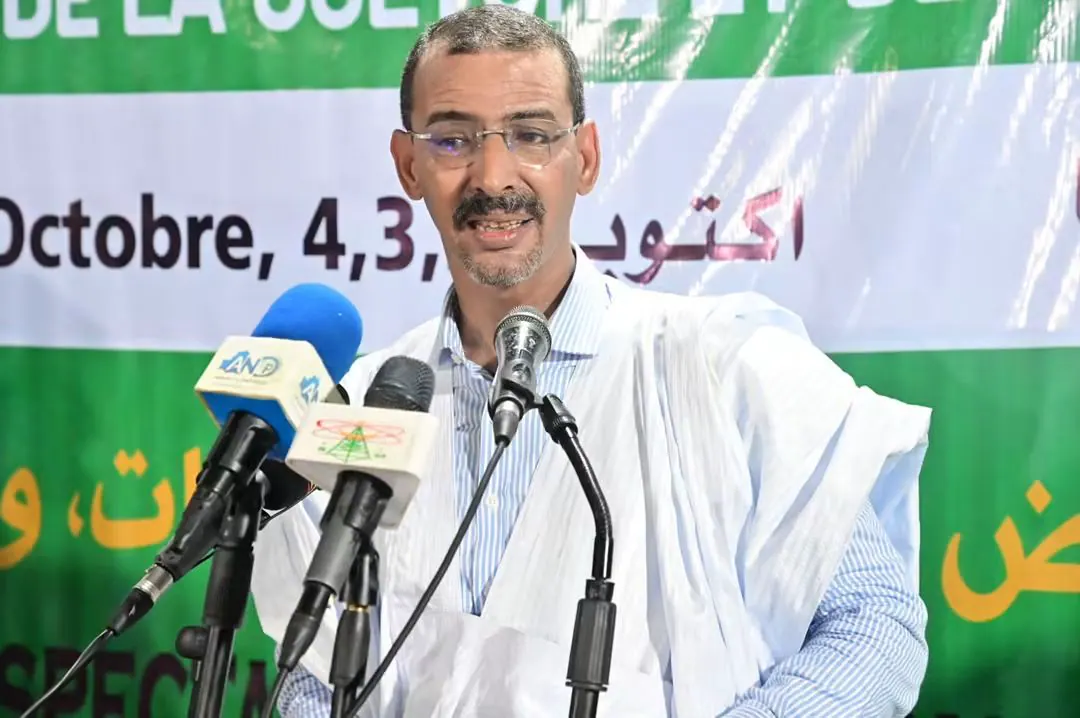
The second National Culture Week of Mauritania concluded in Touguenine, a town in the northern Nouakchott region, on October 5, 2026. The event was attended by Minister of Culture, Arts, Communication, and Relations with Parliament, spokesperson for the government, Hussein Ould Medou. The week-long celebration was held across all regions of the country over two months, featuring various cultural and artistic events.
The events included folk shows, musical performances, poetry recitals, intellectual seminars, and traditional handicraft exhibitions, as well as competitions to discover young talents. These activities aimed to revitalize the cultural and artistic scene, promote tourism and development, and highlight the unique cultural and heritage aspects of each region. The minister emphasized that the event provided a platform for interaction, cultural exchange, and networking among creatives, youth, researchers, and intellectuals.
In his closing remarks, Minister Ould Medou stated that the National Culture Week embodied the national vision and directives of President Mohamed Ould Cheikh El Ghazouani, who prioritizes culture and heritage as essential pillars for establishing identity, promoting national unity, and achieving sustainable development. The minister reviewed the notable achievements and cultural policies implemented by the government, including the development of the Meda'in al-Tharath festival and the construction of heritage villages.
The minister also highlighted the establishment of the National Institute of Arts, the launch of the President's Fine Arts Award, and efforts to protect manuscripts and historical sites across the country. Touguenine Mayor Ahmed Salem Ould Flaly expressed gratitude to the event organizers for choosing his town to host the closing ceremony, which aligns with the president's call to spend holidays within the country and explore its cultural and tourist attractions.
Mayor Ould Flaly noted that Mauritanian culture, characterized by its diverse sources, colors, and expressions, forms a cohesive entity that brings together a shared historical memory, national identity, and promising future prospects. He encouraged citizens to respond positively to the president's appeal to maintain city cleanliness and eliminate waste, contributing to a better urban environment and a dignified capital city appearance.
The closing ceremony included awarding prizes to winners of various cultural and artistic competitions held during the event. The ceremony was attended by the Secretary-General of the Ministry of Culture, the Governor of Nouakchott North, and the Governor of Touguenine, as well as elected officials, representatives of administrative, security, and military authorities, and a large gathering of writers, intellectuals, and artists.
The second National Culture Week demonstrated Mauritania's commitment to preserving its cultural heritage and promoting national unity through cultural and artistic events. The event showcased the country's rich cultural diversity and provided a platform for creatives and intellectuals to interact and exchange ideas.
Key points
- The event was held across all regions of Mauritania over two months.
- The minister emphasized that the event provided a platform for interaction, cultural exchange, and networking among creatives, youth, researchers, and intellectuals.
- The event included folk shows, musical performances, poetry recitals, intellectual seminars, and traditional handicraft exhibitions.