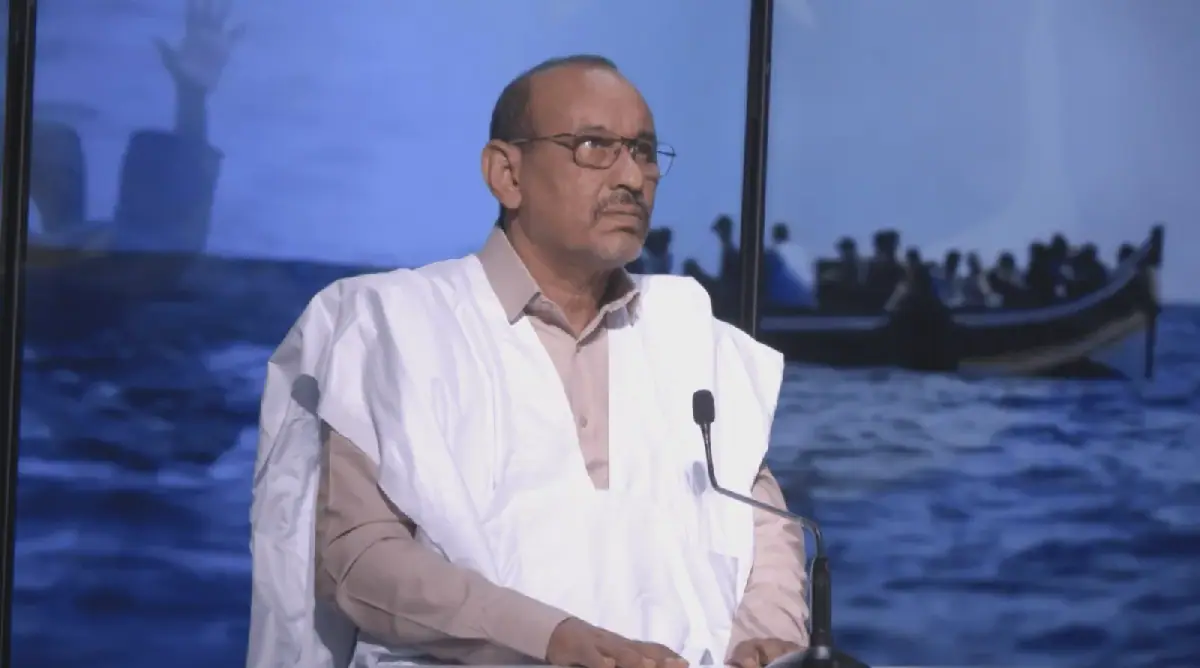
Mauritania's opposition party, Al-Sawab, has expressed concerns over the country's economic situation, citing rising prices and declining purchasing power. The party, represented in parliament, released a statement on Monday highlighting the challenges faced by Mauritanian families, particularly those with limited income. The statement noted that the increasing inflation rate and declining value of the Ouguiya have become a growing burden on households.
Al-Sawab criticized the recent monetary policy decisions by the Central Bank, which raised the interest rate from 6% in May 2022 to 7.25% last week. The party argued that these measures have not effectively addressed inflation, citing data from the Central Bank's monetary policy committee. According to the data, the inflation rate rose from 8.5% in July to 9.3% in September, with food prices contributing 6.8 percentage points to this increase.
The party highlighted the significant rise in prices of basic food items, including tomatoes, fish, and red meat. These price increases have made it challenging for hundreds of thousands of families to afford their daily needs, with the poorest households struggling to cope with the financial burden. Al-Sawab argued that the continued rise in living costs exacerbates the suffering of Mauritanian families and weakens their ability to provide for their basic needs.
The opposition party called for addressing the economic imbalances that have directly impacted citizens' daily lives. Al-Sawab's statement emphasized the need for effective measures to mitigate the effects of inflation and restore confidence in the national currency. The party's concerns reflect the growing economic challenges faced by Mauritania, which have significant implications for the country's citizens.
The Central Bank's decision to raise interest rates was aimed at containing inflation, but Al-Sawab argued that this measure has not been effective. The party pointed to the tightening of reserve requirements for commercial banks, which has not halted price increases. This has raised concerns about the effectiveness of monetary policy in addressing the country's economic challenges.
The economic situation in Mauritania has significant implications for the country's citizens, particularly those with limited income. The rising cost of living has reduced the purchasing power of households, making it challenging for them to afford basic necessities. Al-Sawab's statement highlights the need for a comprehensive approach to address the country's economic challenges and mitigate the effects of inflation.
The Mauritanian government faces significant challenges in addressing the country's economic situation. The rising inflation rate and declining value of the Ouguiya have significant implications for the country's citizens, particularly those with limited income. Al-Sawab's concerns reflect the growing economic challenges faced by Mauritania, which require effective measures to mitigate the effects of inflation and restore confidence in the national currency.
Key points
- Al-Sawab warns of rising prices and declining purchasing power in Mauritania.
- The party criticizes the Central Bank's monetary policy decisions.
- The economic situation has significant implications for Mauritanian citizens, particularly those with limited income.