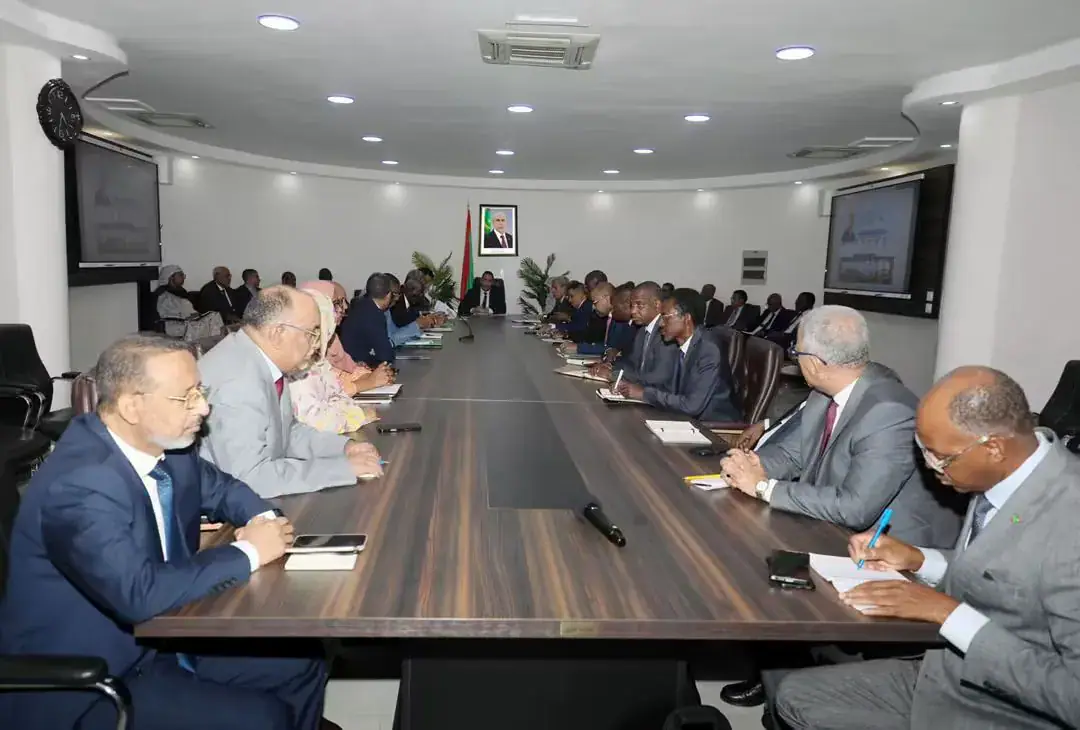
On October 27, 2026, Mauritania's Prime Minister, Mochtar Ould Ajay, chaired a meeting to launch ministerial missions to the country's interior regions. This move is in line with directives from President Mohamed Ould Cheikh El Ghzouani. The initiative aims to prepare for the second phase of the Emergency Program for Universal Access to Basic Services for Local Development. The program seeks to address urgent development needs and fulfill promises made during the recent presidential campaign.
The ministerial missions are tasked with assessing the achievements of the first phase of the program and preparing for the next phase. The Prime Minister emphasized the importance of evaluating the first phase and building on its accomplishments. He also stressed the need for a participatory approach, involving administrative authorities, local elected officials, and various stakeholders, including community leaders, youth organizations, and associations.
The Emergency Program for Universal Access to Basic Services for Local Development aims to respond quickly to citizens' development needs. During the presidential campaign, President El Ghzouani made commitments to address these needs. The ministerial missions will engage with citizens, listen to their concerns, and identify priorities for local development. This approach will ensure that the program is tailored to the specific needs of each region.
The Prime Minister instructed the ministerial missions to prioritize citizens' demands for basic services, taking into account the unique characteristics of each region. He emphasized the need for effective communication with citizens, listening to their problems, and understanding their aspirations for development, stability, and good governance.
The launch of the ministerial missions marks a significant step towards decentralization and local development in Mauritania. By engaging with citizens and regional stakeholders, the government aims to promote more inclusive and responsive governance. The success of these missions will depend on effective collaboration between government officials, local authorities, and citizens.
The ministerial missions will focus on identifying priority areas for intervention, including infrastructure, healthcare, education, and economic development. They will also assess the availability of resources and the capacity of local authorities to implement development projects. This information will inform the design of the second phase of the Emergency Program.
The government's efforts to promote local development and improve living standards are critical to addressing the country's socio-economic challenges. The ministerial missions will play a crucial role in ensuring that the needs of citizens are addressed and that the government's commitments are fulfilled. The outcome of these missions will be closely watched by citizens and stakeholders.
Key points
- The ministerial missions aim to engage with citizens and regional stakeholders to identify priorities for local development.
- The Emergency Program for Universal Access to Basic Services for Local Development seeks to address urgent development needs and fulfill promises made during the recent presidential campaign.
- The success of the ministerial missions depends on effective collaboration between government officials, local authorities, and citizens.