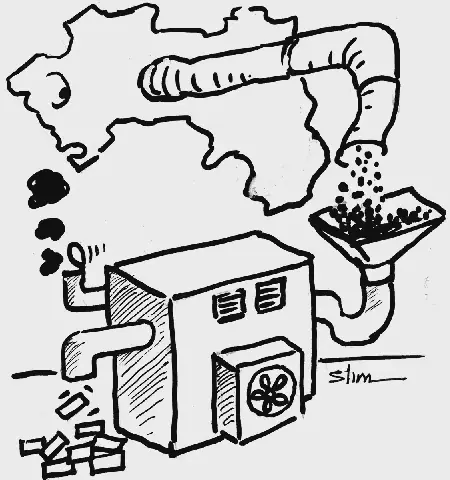
The ongoing parliamentary crisis in Mauritania has raised concerns about the country's democratic process. The issue is not just about the lack of representation but also about the criteria used to select lawmakers. When tribal loyalty and personal connections take precedence over merit and competence, the legitimacy of the parliament is compromised. This has led to a situation where individuals with limited capabilities are being elected to the legislative body.
The Mauritanian parliament is not just a platform for debate but a critical institution responsible for lawmaking, oversight, and representation. To perform these functions effectively, lawmakers need to possess a certain level of knowledge, skills, and experience. They must be able to analyze complex issues, understand the implications of laws, and make informed decisions. Unfortunately, the current selection process prioritizes tribal loyalty and personal connections over merit and competence.
The problem is not just about the individuals elected but also about the impact on the institution as a whole. When lawmakers are selected based on tribal loyalty and personal connections, it undermines the credibility of the parliament and erodes trust in the democratic process. This can lead to a situation where the parliament is seen as a platform for personal gain rather than a institution dedicated to serving the public interest.
The issue is further complicated by the fact that having a university degree is not enough to guarantee competence. Lawmakers need to possess a range of skills, including analytical, critical thinking, and problem-solving abilities. They must also be able to work effectively with others, build consensus, and make tough decisions. Unfortunately, the current selection process does not prioritize these skills.
The consequences of this crisis are far-reaching. When lawmakers are not selected based on merit and competence, it can lead to poor decision-making and a lack of effective oversight. This can have serious implications for the country's development and stability. Furthermore, when tribal loyalty and personal connections take precedence over merit and competence, it can create social unrest and undermine trust in the democratic process.
To address this crisis, Mauritania needs to reform its parliamentary selection process. This can be achieved by introducing new criteria that prioritize merit and competence over tribal loyalty and personal connections. The government must also work to promote a culture of transparency and accountability within the parliament. This can be achieved by providing training and support to lawmakers and ensuring that they are held accountable for their actions.
Ultimately, the future of Mauritania's democracy depends on its ability to address this crisis. The country needs a parliament that is representative, effective, and accountable. This can only be achieved by prioritizing merit and competence over tribal loyalty and personal connections. By doing so, Mauritania can build a stronger, more stable democracy that serves the interests of all its citizens.
Key points
- The Mauritanian parliament's crisis is rooted in the prioritization of tribal loyalty and personal connections over merit and competence.