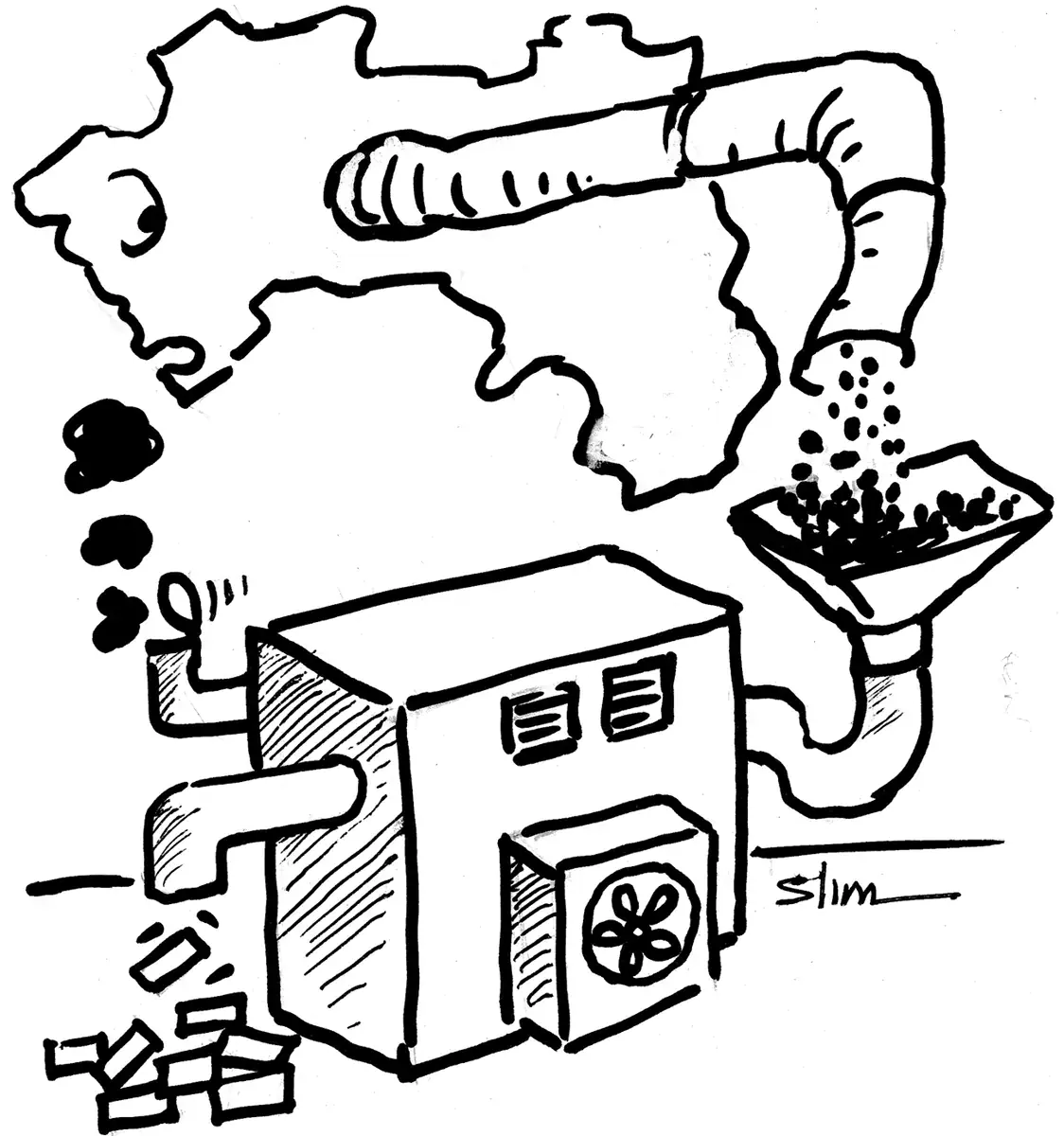
In a trend sweeping across West Africa, countries are prioritizing the industrialization of their raw materials to boost export revenues. The transformation of primary goods into semi-finished or finished products is seen as a key driver of economic growth. For instance, Guinea and other nations aim to construct industrial units to process bauxite into alumina and aluminum, iron into steel, and gold into bars. This push for industrialization is also evident in the agricultural sector, where countries like Côte d'Ivoire and Ghana are focusing on processing cocoa into chocolate and coffee beans into instant coffee.
The drive to add value to raw materials is not limited to Guinea, with countries such as Burkina Faso, Mali, and Niger also investing in large-scale gold refineries. However, analysts warn that the region's gold reserves may only sustain these massive refineries for a couple of decades. This raises questions about the long-term viability of such projects and whether a more collaborative approach could be more beneficial. By pooling their resources, these countries could potentially create more robust and sustainable industries.
While the desire to industrialize is laudable, it also poses risks of cutthroat competition among neighboring economies. The pursuit of national interests may lead countries to prioritize their own needs over regional cooperation, potentially undermining the African Economic Community's goals. Furthermore, there is a danger that the benefits of industrialization may not trickle down to the broader population, but instead concentrate in the hands of a few influential individuals.
Historically, African countries have been criticized for producing similar goods and competing in narrow markets, rather than diversifying their products and leveraging their comparative advantages. As countries like Guinea and others strive to add value to their raw materials, they must balance their national interests with regional cooperation and good governance. This will be crucial in ensuring that the benefits of industrialization are shared equitably and that the sector contributes to the country's overall prosperity.
According to Abraham Kayoko Doré, a key challenge facing West African nations is ensuring that the gains from industrialization are not siphoned off by a select few, but instead contribute to the country's economic growth and development. To achieve this, robust governance structures are essential in preventing corruption and ensuring that the benefits of industrialization are shared fairly.
The Le Lynx news outlet has highlighted the need for careful planning and coordination in West Africa's industrialization drive. As countries move forward with their plans, it will be essential to consider the potential risks and challenges, including competition, environmental impact, and social responsibility. By taking a thoughtful and collaborative approach, West African nations can unlock the full potential of their raw materials and create more sustainable and equitable economic growth.
As West Africa's industrialization drive gains momentum, countries must prioritize transparency, accountability, and good governance to ensure that the benefits of this process are shared by all. This will require strong institutions, effective regulation, and a commitment to regional cooperation. By working together and adopting a long-term perspective, West African nations can create a more prosperous and sustainable future for their citizens.
Key points
- West African nations are rapidly industrializing, but concerns arise over potential competition and unequal distribution of benefits.
- The region's gold reserves may only sustain large-scale gold refineries for a couple of decades, raising questions about long-term viability.
- Robust governance structures are essential in preventing corruption and ensuring that the benefits of industrialization are shared fairly.