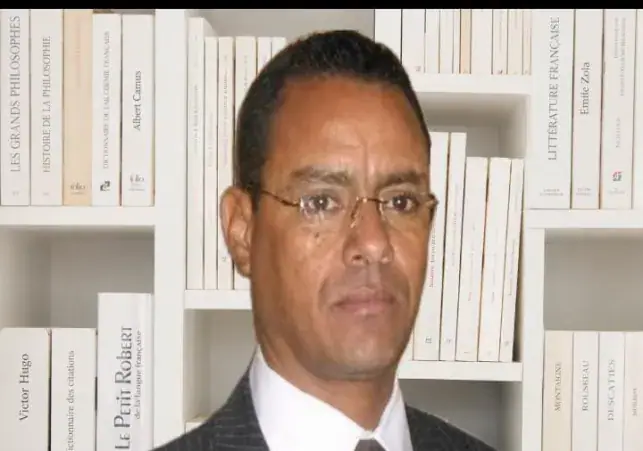
Mauritania's fishing sector is at a critical juncture, with new Minister Aïssata Lam facing a daunting task in negotiations with the European Union. The current protocol, which allows EU vessels to fish in Mauritanian waters, is set to expire. The agreement has been a significant source of revenue for Mauritania, with the EU paying an annual contribution of €60.8 million. However, concerns have been raised about the fairness of the agreement and whether Mauritania receives adequate compensation for its resources.
The Mauritanian fishing sector has considerable potential, with the country's coastline offering a rich source of fish and other marine resources. However, the sector has struggled to become a major driver of economic and social development. Despite its vast resources, the sector faces structural challenges, including weak local processing, limited value addition, and inadequate infrastructure. These issues have resulted in limited economic benefits for local communities, particularly those involved in artisanal fishing.
The current fishing agreement with the EU allows for the exploitation of up to 280,000 tons of fish per year. However, there are concerns that Mauritania is not receiving a fair share of the revenue generated from its resources. The country's citizens often face high prices for fish, while large quantities are exported to other countries. This has raised questions about the fairness of the agreement and the need for a more equitable distribution of benefits.
Minister Aïssata Lam's negotiations with the EU will focus on revising the agreement to ensure a more balanced partnership. This includes reviewing catch volumes, targeted species, fishing zones, and labor employment. The minister must also address concerns about environmental sustainability and ensure that Mauritania receives a fair share of the revenue generated from its resources.
The negotiations are not just about securing a new agreement but also about ensuring that Mauritania's sovereignty is respected. The country's ability to manage its resources and benefit from them is crucial to its economic and social development. The outcome of the negotiations will have significant implications for the country's fishing sector and its people.
The EU is keen to maintain access to Mauritanian waters, with its vessels relying heavily on the country's resources. However, Mauritania must ensure that its interests are protected and that it receives a fair share of the revenue generated from its resources. The negotiations will require careful diplomacy and a deep understanding of the complexities involved.
The success of the negotiations will depend on Minister Aïssata Lam's ability to balance competing interests and secure a fair agreement for Mauritania. The country's people are eagerly awaiting a more equitable distribution of benefits from its resources, and the minister's efforts will be closely watched.
Key points
- The negotiations between Mauritania and the EU will focus on revising the fishing agreement to ensure a more balanced partnership.
- Mauritania is seeking a fairer share of revenue from its resources, which are exploited by EU vessels.
- The outcome of the negotiations will have significant implications for Mauritania's fishing sector and its people.