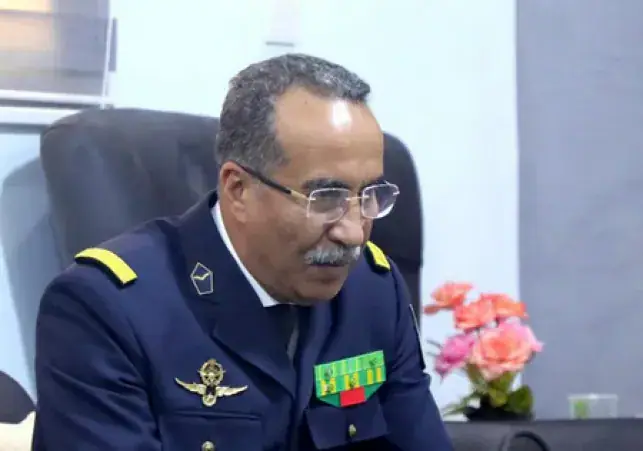
Mauritania's National Police have undergone a significant restructuring with the Director-General of National Security, General Mohamed Ould Lehreitani, announcing a series of appointments and transfers within the police command. The shakeup affects several regional security directions, the National Police Academy, and strategic central services. The changes aim to reorganize and potentially revitalize the country's policing efforts.
According to the official announcement, several key positions have been filled with new appointees. The Director of the Cabinet is now Commissaire Mohamed Lemine Ould Ettayeb, while Commissaire Cheikh Brahim Ould Heiballa takes over as Deputy Director of State Security. The National Police Academy, which also serves as the Inspector General of Police, will be led by Commissaire Ahmed Salem Ould Moulaye.
In the realm of specialized services, Commissaire Isselmou Ould Essouad has been appointed as the Commissaire of the Cyberpolice Bureau. At Nouakchott International Airport, Essalek Ould Mohamed Mahmoud assumes the role of Commissaire of Police. These appointments reflect a broader effort to enhance and reorganize policing capabilities in Mauritania, particularly in areas such as cybersecurity and airport security.
The restructuring also extends to regional security directions across the country. In Nouakchott, the western region will be led by Commissaire Othmane Ould Mohamed, while Nouakchott-Nord will be under Commissaire El Hadi Ould Mohamed, and Nouakchott-Sud under Commissaire Yacoub Ould Chenane. Other regions, including Dakhlet Nouadhibou, Tiris Zemmour, Hodh El Chargui, Gorgol, and Guidimakha, have also seen new appointments to their respective regional security commands.
The changes in leadership and command structure may have implications for policing strategies and community relationships in these regions. While details on the rationale behind these appointments are scarce, the move indicates an effort to refresh and possibly recalibrate the approach to security and law enforcement in Mauritania.
This development comes amid ongoing efforts to address various social and cultural events in Mauritania, including the Assalamalekum festival, which is one of the country's significant cultural events. The appointments may signal a broader governmental focus on internal security and public order as the country prepares for or hosts such events.
As the situation continues to evolve, it remains to be seen how these changes will impact the effectiveness and community perceptions of Mauritania's National Police. The appointments reflect a proactive approach to reorganizing the police command structure, which could potentially lead to improvements in security and policing services across the country.
Key points
- New appointments have been made to key positions within Mauritania's National Police command structure.
Reporting sources
- Le Directeur général de la Sûreté nationale opère un vaste mouvement au sein du commandement de la police · L'Authentique (Mauritania)