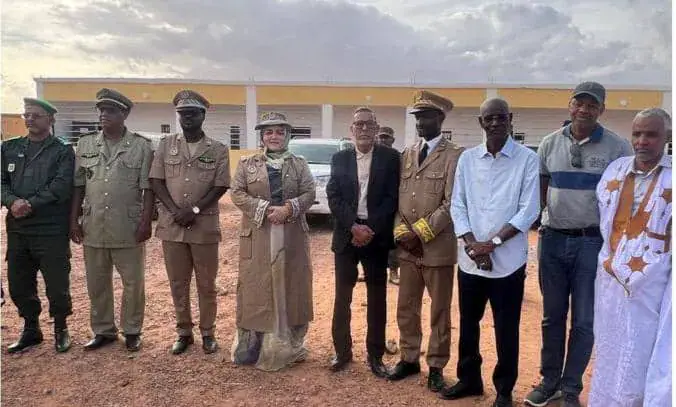
Mauritania's Minister of Real Estate, Mamoudou Mamadou Aniyang, has emphasized that water and electricity are the top priorities for development in the Tiris Zemmour region. During a field visit to several projects under the Emergency Program in the Afderk district, Aniyang highlighted the importance of addressing the region's basic needs. The minister's visit aimed to assess the current state of projects and their implementation levels.
Aniyang's consultations with local administrative authorities, elected officials, technical service heads, and civil society representatives have helped identify needs and prioritize them for inclusion in the second phase of the program. This approach allows for a more informed and effective allocation of resources. By engaging with various stakeholders, the government can ensure that its efforts align with the region's most pressing requirements.
The minister's field visit was designed to provide a firsthand understanding of the projects and their progress, rather than relying solely on meetings. This approach enables Aniyang and his team to identify gaps and actual needs, which will inform future decision-making. By being present on the ground, the minister can also communicate directly with citizens about the achievements and efforts made by the government to improve access to basic services.
Aniyang expressed satisfaction with the progress of work on several projects, noting that some facilities have already begun to receive equipment. For example, the Afderk district health center now has laboratory equipment, marking a significant step forward in enhancing healthcare services. The minister's observations suggest that the projects are on track, and the government is committed to completing them.
The visit is part of a broader effort to evaluate the first phase of the Emergency Program and prepare for the second phase. Aniyang's team has been able to assess the progress of work and the availability of equipment in completed facilities. These findings will inform future planning and resource allocation, ensuring that the government's development initiatives are effective and responsive to local needs.
Aniyang's emphasis on water and electricity reflects the critical importance of these basic services in supporting economic development and improving living standards. The Tiris Zemmour region, like many areas in Mauritania, faces significant challenges in accessing these essential services. By prioritizing their provision, the government aims to address some of the region's most pressing development challenges.
The government's commitment to improving access to basic services is evident in its efforts to implement the Emergency Program. Aniyang's field visit and the planned second phase of the program demonstrate a continued focus on addressing the region's needs. As the government moves forward, it will be essential to maintain this momentum and ensure that its initiatives are effective in supporting sustainable development in Tiris Zemmour.
Key points
- The Mauritanian government has identified water and electricity as top priorities for development in the Tiris Zemmour region.
- Minister Aniyang's field visit aimed to assess project progress and identify needs for future development initiatives.
- The Emergency Program's second phase will focus on addressing the region's most pressing development challenges.