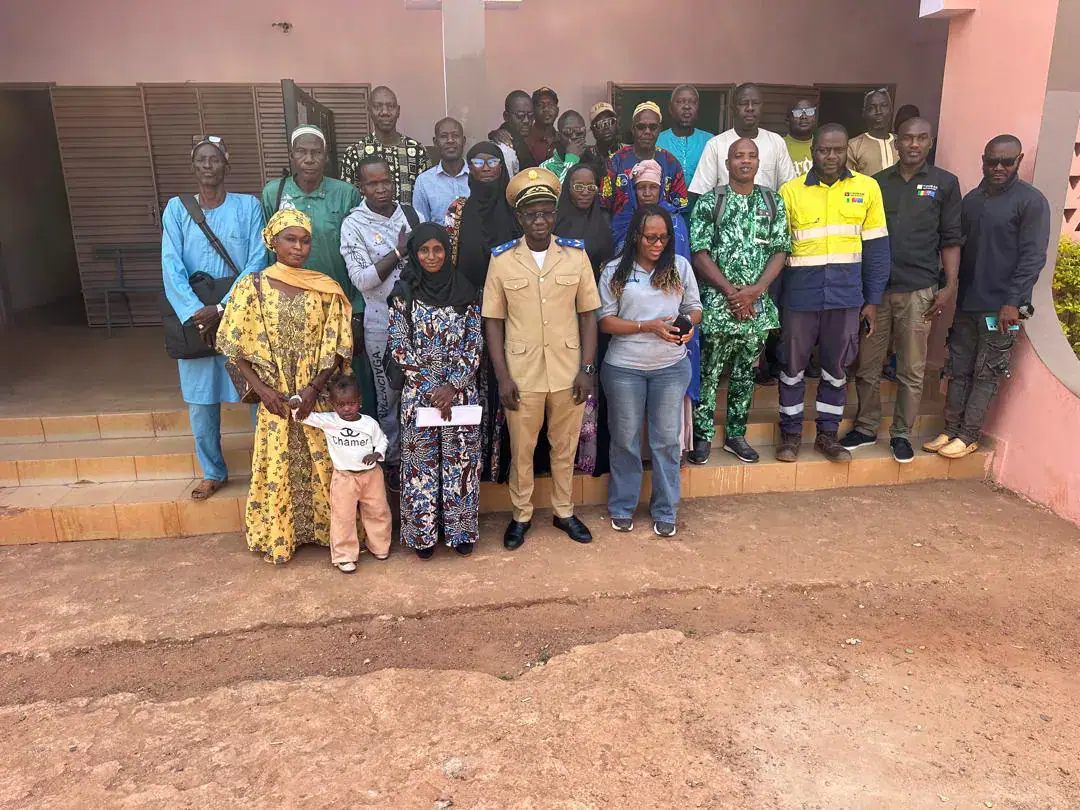
In Mauritania's Kangaba commune, a significant gathering took place on October 29, 2026, as the Local Employment Framework, known as Cadre de Concertation pour l'Emploi Local (CCEL), convened for its inaugural meeting. The event was presided over by Lacina Diarra, the second deputy prefect and central sub-prefect of Kangaba. This meeting marked a crucial step towards addressing employment concerns, particularly among the youth, in the region. The CCEL was established following decisions made on September 17, 2026.
The CCEL aims to create a formal dialogue platform that promotes transparency and accountability in local employment initiatives. This framework is not only an administrative and legal requirement but also a commitment from the involved enterprise. Its primary goal is to bring together various stakeholders to collaboratively find concrete solutions to employment and employability challenges faced by young people in the Kangaba area. The initiative is particularly focused on regions impacted by specific projects.
Experts from Toubani Ressources, a supporting entity, elaborated on the CCEL's mission and operational guidelines. The members of the CCEL are tasked with several key responsibilities, including facilitating local recruitment, assessing needs, ensuring equity, fostering dialogue, enhancing employability, and conflict prevention. A critical aspect of the recruitment policy is the application of an 80% rule, prioritizing candidates from villages directly affected by the Kobada mining project.
The Kobada mining project impacts two villages and their hamlets across the communes of Kaniogo and Nouga, specifically Faraba-Coungo and Samaya. The establishment of CCEL and its operational guidelines are seen as pivotal in managing the socio-economic impacts of the project on local communities. By focusing on local employment, the initiative seeks to ensure that the benefits of the project are equitably distributed among those most affected.
During the meeting, the importance of clarifying the roles and mandates of CCEL members was emphasized. This includes identifying needs, expectations, and potential risks, as well as validating initial actions and collaboration modalities. The framework is designed to be a facilitative structure rather than a promise-making entity, ensuring that it remains focused on its objectives of enhancing local employment opportunities.
The event was made possible with the financial support of Toubani Ressources, highlighting the role of private entities in supporting community development initiatives. The engagement of various stakeholders in the CCEL reflects a broader strategy to ensure that development projects contribute positively to local communities, particularly in terms of employment and economic empowerment.
Moving forward, the CCEL is expected to play a crucial role in shaping the employment landscape in Kangaba and beyond. By fostering collaboration and ensuring that local voices are heard, the framework has the potential to make a lasting impact on the lives of young people in the region. The success of this initiative will likely be closely watched by various stakeholders, including community leaders, project developers, and government agencies.
Key points
- The Local Employment Framework (CCEL) in Mauritania's Kangaba commune aims to address youth employment concerns through collaborative efforts and equitable distribution of project benefits.