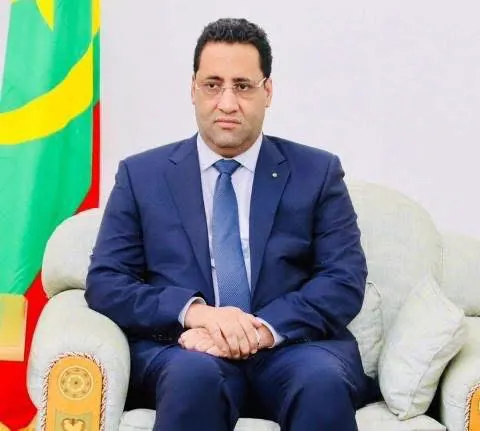
Mauritania's Prime Minister, Moukhtar Ould Aja, announced that the first phase of the emergency program for access to basic services and development in the Western region has surpassed 70% completion. The program covers multiple vital sectors, including education, with the construction of 1087 new classrooms to improve school infrastructure. This development aims to enhance the quality of education in the region. The announcement was made on September 19, 2026, via the Prime Minister's official Facebook page.
In the health sector, the program includes the construction of a regional hospital, two health centers, and the renovation of three others. Additionally, 25 health points were built, and five renovated, along with the acquisition of 17 ambulances to strengthen medical evacuation services and rapid response. These health initiatives are expected to significantly improve healthcare services in the Western region. The program's progress reflects the government's commitment to enhancing the region's health infrastructure.
The emergency program also focuses on water and basic services, with the completion and equipping of 180 artisanal wells and the construction and renovation of 31 water networks. Furthermore, works were carried out to strengthen production and expand urban water networks in major cities within the region. These water supply projects aim to improve access to clean water for residents, thereby enhancing their overall quality of life.
In the electricity and energy sector, the program includes projects to electrify 21 rural villages and expand 16 local electricity networks. Moreover, two large generators were acquired to enhance the continuity of electricity supply and meet the growing demand in the region. These energy initiatives are crucial for supporting economic development and improving living standards in the Western region.
The program's implementation is part of the government's efforts to address the region's development challenges. By investing in key sectors such as education, health, water, and electricity, the government aims to promote sustainable development and improve the well-being of the local population. The progress achieved so far demonstrates the government's commitment to achieving its development goals.
The Western region of Mauritania has faced significant development challenges, including limited access to basic services. The emergency program is designed to address these challenges and provide essential services to the local population. The program's success will depend on its effective implementation and the government's continued commitment to its development objectives.
The Prime Minister's announcement highlights the government's progress in implementing the emergency program. With over 70% of the first phase completed, the government is on track to achieving its development goals in the Western region. The program's impact is expected to be significant, improving the lives of thousands of people in the region.
Key points
- The program covers multiple sectors, including education, health, water, and electricity.
- The first phase of the program has achieved over 70% completion.
- The program aims to improve access to basic services and promote sustainable development in the Western region.