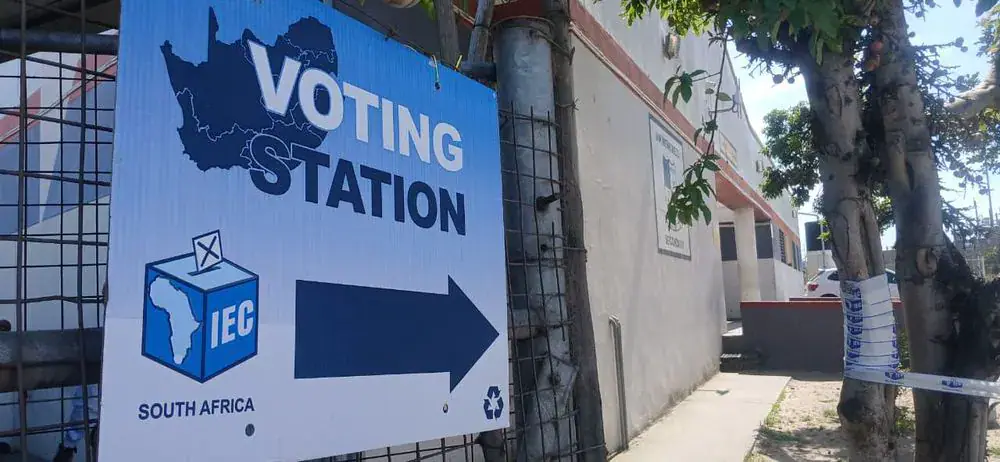
The recent election results in South Africa have marked a significant shift in the country's political landscape, with the continued decline of the African National Congress and the consolidation of power by the Democratic Alliance. This shift has sparked concerns about the implications for transformation, economic justice, and the unfinished business of democracy. The election results have also highlighted the need for a renewed struggle for economic justice, accountable government, and active citizenship.
The Democratic Alliance's electoral gains have been attributed to its significant financial advantage, with the party outspending its competitors by a staggering margin. According to the Political Party Funding Act, the DA has captured the vast majority of all compliant, multi-million-rand private donations from billionaires, trusts, and corporate entities. This has enabled the party to fund saturated advertising campaigns, high-end professional legal networks, and structural operations, giving it a significant advantage over its competitors.
The ANC's decline has been attributed to various factors, including its failure to address the country's socio-economic challenges. Despite being the sole vehicle of liberation for decades, the ANC's legitimacy has collapsed, with many voters expressing disillusionment with the party's performance. The party's scramble for resources has also hindered its ability to compete with the DA's financial war chest.
The struggle for economic justice and transformation remains an unfinished business in South Africa. The country's land ownership remains deeply unequal, while poverty and structural unemployment continue to define working-class life. The DA's retention of its majority in Cape Town has been met with concerns about the party's ability to address these challenges.
Community organizations and civic groups have been working tirelessly to address the socio-economic challenges facing South Africa's communities. Organizations such as Gift of the Givers, Ndifuna Ukwazi, and Housing Assembly have been carrying the burden of providing services and support to communities, often in the absence of government intervention.
The need for active citizenship and community participation has been emphasized as a crucial aspect of driving change in South Africa. The struggle for justice, equality, and dignity must continue, with communities organizing and participating in decision-making processes that affect their lives. This requires a shift away from relying solely on elections and political parties to drive change.
Ultimately, the revolution may have lost its way, but the struggle for justice, equality, and dignity must continue. South Africans must govern with their feet on the street, demanding input into the issues that affect them directly. This requires a renewed commitment to active citizenship, community participation, and the daily power to participate, organize, influence, and reclaim their lives.
Key points
- The Democratic Alliance's electoral gains have been attributed to its significant financial advantage.
- The struggle for economic justice and transformation remains an unfinished business in South Africa.
- Active citizenship and community participation are crucial aspects of driving change in South Africa.