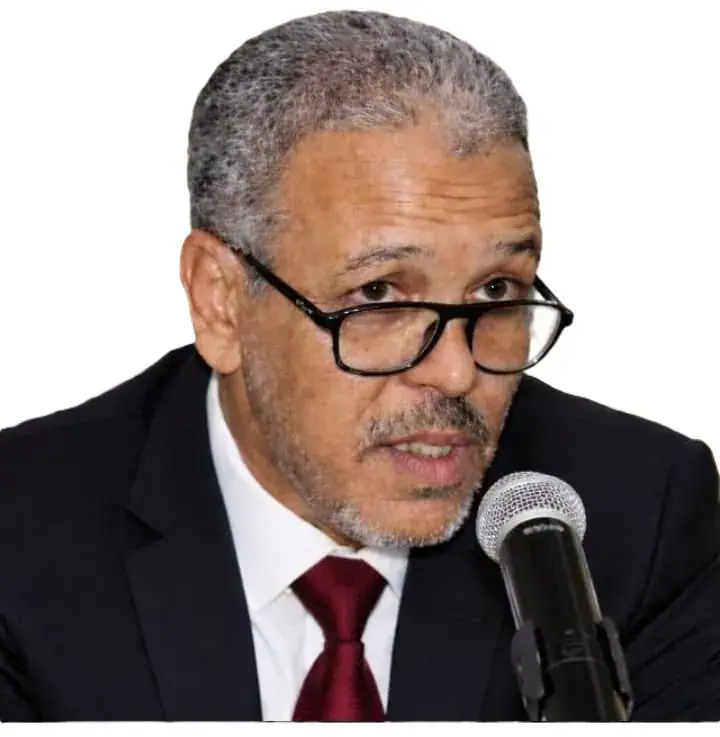
The recent Forum des Mauritaniens de l'étranger has brought together representatives from the diaspora, experts, and officials to discuss the challenges faced by Mauritanians living abroad. However, the real challenge begins now, as the forum's success will be measured by its ability to implement concrete changes that improve the lives of Mauritanians abroad. The forum's importance lies in its potential to create a new relationship between the state and its citizens established outside of the country.
The Mauritanian diaspora has evolved significantly over the years, with many community members now comprising entrepreneurs, doctors, engineers, academics, researchers, and students. This reality demands a change in the way the diaspora is perceived. In response, the Ministry of Foreign Affairs has conducted consultations with representatives of Mauritanian communities in 23 countries, a step that deserves to be acknowledged. Listening to those directly concerned before developing a policy is a preferable approach.
Many difficulties faced by Mauritanians abroad are not new, including issues related to consular services, civil status, and administrative documents. Additionally, concerns about residency, legal and social support, and preserving ties between Mauritania and the children of Mauritanians born and raised abroad are becoming increasingly important. These realities are well-known to officials and those who experience them daily. The value of the current consultations lies in the ability to transition from diagnosis to concrete problem-solving.
The digitization of consular services is a prime example of a necessary reform. Citizens expect to be able to request documents from their phones, track the status of their applications, and have a clear point of contact when issues arise. This is where digitization becomes a meaningful reform, rather than just a superficial modernization. However, the essential issue at stake goes beyond consular services, as Mauritania has a wealth of skills abroad that are not yet fully utilized.
Mauritanians work in universities, hospitals, companies, international institutions, and research centers abroad, bringing valuable expertise that could benefit the country's development. The question remains: what is known about these skills, and how can they be mobilized when needed? It is not about asking each Mauritanian abroad to return to Nouakchott, but rather about creating an organization that allows for the mobilization of these skills.
A first step could be to establish a reliable database of Mauritanian skills abroad, on a voluntary basis, to identify areas of expertise and create connections with national institutions. This would not be about adding another list of names to administrative files, but about creating a genuine link between available skills and existing needs. A similar logic applies to investment, where a clear and reassuring business environment is necessary to encourage Mauritanians abroad to invest in their country.
The new policy towards the diaspora should translate into the creation of a genuine support desk for Mauritanian investors established abroad, rather than leaving them to navigate different administrations alone. Furthermore, transfer funds from Mauritanians abroad play a vital social role for many families, and if the state wants to channel some of this savings towards productive investment, it must offer reliable, transparent, and attractive opportunities.
Key points
- The success of the diaspora forum depends on its ability to implement concrete changes that improve the lives of Mauritanians abroad.
- A reliable database of Mauritanian skills abroad could help identify areas of expertise and create connections with national institutions.
- The new policy towards the diaspora should include a support desk for Mauritanian investors established abroad.