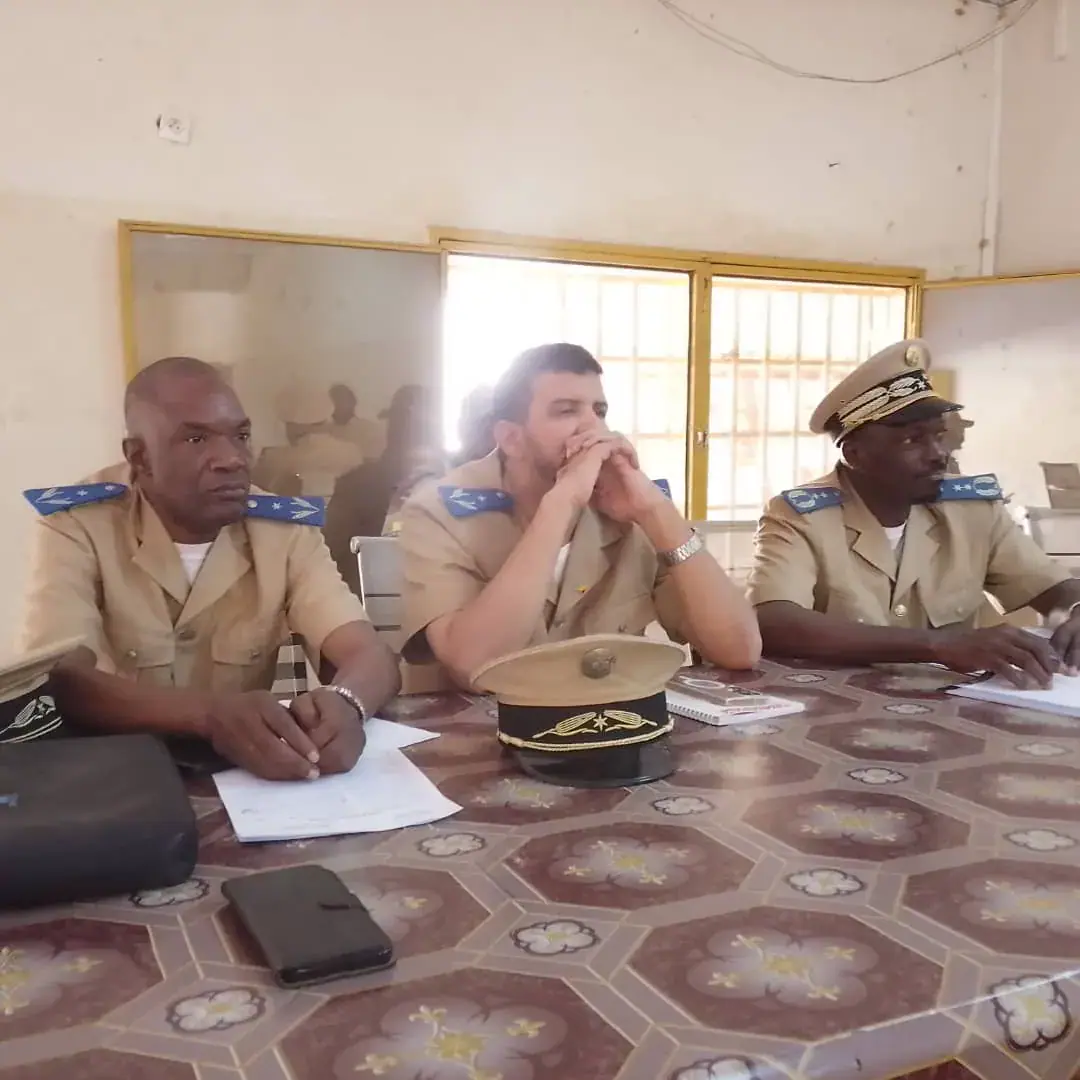
The Mauritanian town of Diéma recently celebrated National Traditional Legitimacy Day on November 11. The event was attended by various dignitaries, including the Prefect of Diéma, Abou Diarra, and other local officials. The ceremony brought together village chiefs, technical service heads, notable figures, religious guides, women, and young people from all communes in the area. The occasion was marked by a sense of respect and conviviality.
In his opening address, Prefect Abou Diarra acknowledged the crucial role of traditional authorities in local governance. He praised their irreplaceable contribution to conflict prevention and resolution, population sensitization, and development policy implementation. Diarra emphasized the importance of collaboration between the state and traditional legitimacies, stating that they must work together to build a united and reconciled Mali.
The event featured a presentation on innovations introduced by Ordinance No. 2026-020/PT-RM, dated August 11, 2026, regarding the status of villages, fractions, and neighborhoods. The new regulations include restrictions on village chiefs engaging in politics and direct attachment of village chiefs to the arrondissement. These changes aim to strengthen the role of traditional authorities and improve local governance.
A conference-debate on the theme "Role and Responsibilities of Traditional Authorities in Transmitting Dambé and Maaya Values" was a highlight of the celebration. Kalifa Diarra, Chief of the Local Social Development and Solidarity Service, delivered the presentation. He explained that "Dambé" represents dignity, honor, and given word, while "Maaya" embodies humanism, respect, solidarity, and a sense of common good.
According to Kalifa Diarra, these core values of Malian society are under threat from forgetfulness, individualism, and external influences. He urged traditional leaders to take responsibility for transmitting these values to younger generations through example, storytelling, ceremonies, and fair community management. Diarra stressed that a leader who fails to pass on these values betrays their mission and that the survival of the people depends on them.
The conference was followed by a lively discussion, allowing participants to ask questions, share experiences, and formulate recommendations to strengthen collaboration between the administration and traditional legitimacies. The exchanges underscored the importance of working together to promote the values of Dambé and Maaya and ensure the well-being of the community.
The National Traditional Legitimacy Day celebration in Diéma demonstrated the significance of traditional authorities in Mauritanian society. The event provided a platform for leaders to reaffirm their commitment to preserving cultural heritage and promoting social cohesion. Key points from the celebration include the importance of collaboration between the state and traditional legitimacies, the need to transmit Dambé and Maaya values to younger generations, and the role of traditional leaders in conflict prevention and resolution.
Key points
- The event highlighted the crucial role of traditional authorities in local governance and their contribution to conflict prevention and resolution.
- The celebration emphasized the importance of transmitting Dambé and Maaya values to younger generations to ensure the survival of Malian society.
- The discussions and recommendations from the event aimed to strengthen collaboration between the administration and traditional legitimacies.
Reporting sources
- Diéma : Les légitimités traditionnelles célébrées autour du « Dambé et du Maaya » · Agence malienne de presse et de publicité