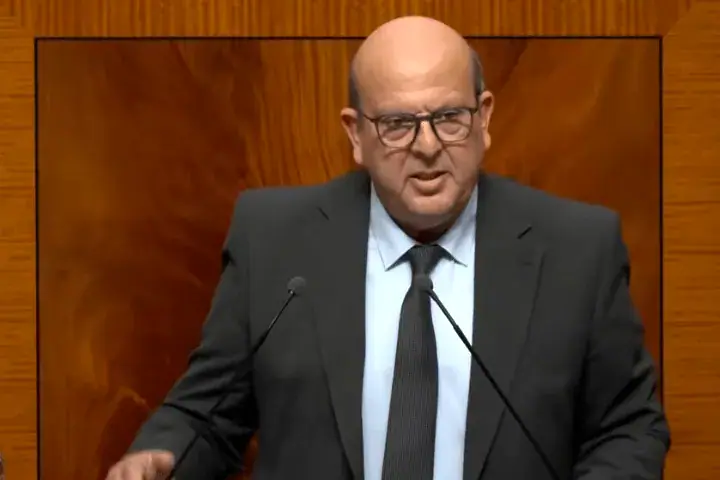
On November 14, 2026, during a parliamentary session to discuss and vote on the 2027 finance bill, Abdelkabar Rachidi emphasized that the current government has made significant changes in its approach to managing public affairs. Rachidi criticized what he described as a biased and subjective narrative that reduces the government's work to simply continuing previous programs. He argued that this approach lacks objectivity and is driven by a "certain schadenfreude and bias."
Rachidi outlined five key changes in the government's approach to public policy management. The first change involves moving away from a "night watchman state" that prioritizes market practices without clear controls, towards an interventionist state that protects citizens from unfair practices and promotes economic balance. This shift is reflected in the government's plan to establish regional companies to collect and distribute essential goods and food products.
The second change involves abandoning a vertical and sectoral approach to public management in favor of an integrated approach. This is reflected in the government's programs for integrated territorial development and its adoption of a team-based approach. Rachidi emphasized that this new approach aims to promote coordination, complementarity, and consistency in public policies.
The third change involves strengthening the effectiveness of public policies by adopting clear indicators for measurement, monitoring, and evaluation. Rachidi stressed that the success of public programs and projects will be measured by their impact on citizens' daily lives, entrepreneurship, society, and the job market. This approach aims to promote social justice, territorial development, and human well-being.
The fourth change involves moving away from granting privileges and licenses towards a system of contracts based on clear commitments, conditions, and measurable objectives. Rachidi cited the debate over tax exemptions for livestock imports as an example of the government's efforts to establish clear and fair rules. He emphasized that this approach aims to promote equality, transparency, and fairness.
The fifth change involves shifting from a reactive approach to crises towards a proactive approach that anticipates and manages risks. Rachidi cited the government's decision to temporarily halt exports of certain food products as an example of its efforts to protect domestic balances. He emphasized that this approach aims to promote a culture of anticipation and responsiveness.
Rachidi concluded by emphasizing the importance of strengthening communication with citizens and promoting a culture of dialogue and responsibility. He called on the parliamentary institution and the media to play a more active role in shaping public opinion and providing accurate information. Rachidi also emphasized that the legislative institution should remain a space for open and responsible debate.
Key points
- The five key changes in public policy management outlined by Rachidi aim to promote social justice, territorial development, and human well-being.
- The government's approach prioritizes an interventionist state that protects citizens from unfair practices and promotes economic balance.
- The new approach aims to promote coordination, complementarity, and consistency in public policies.