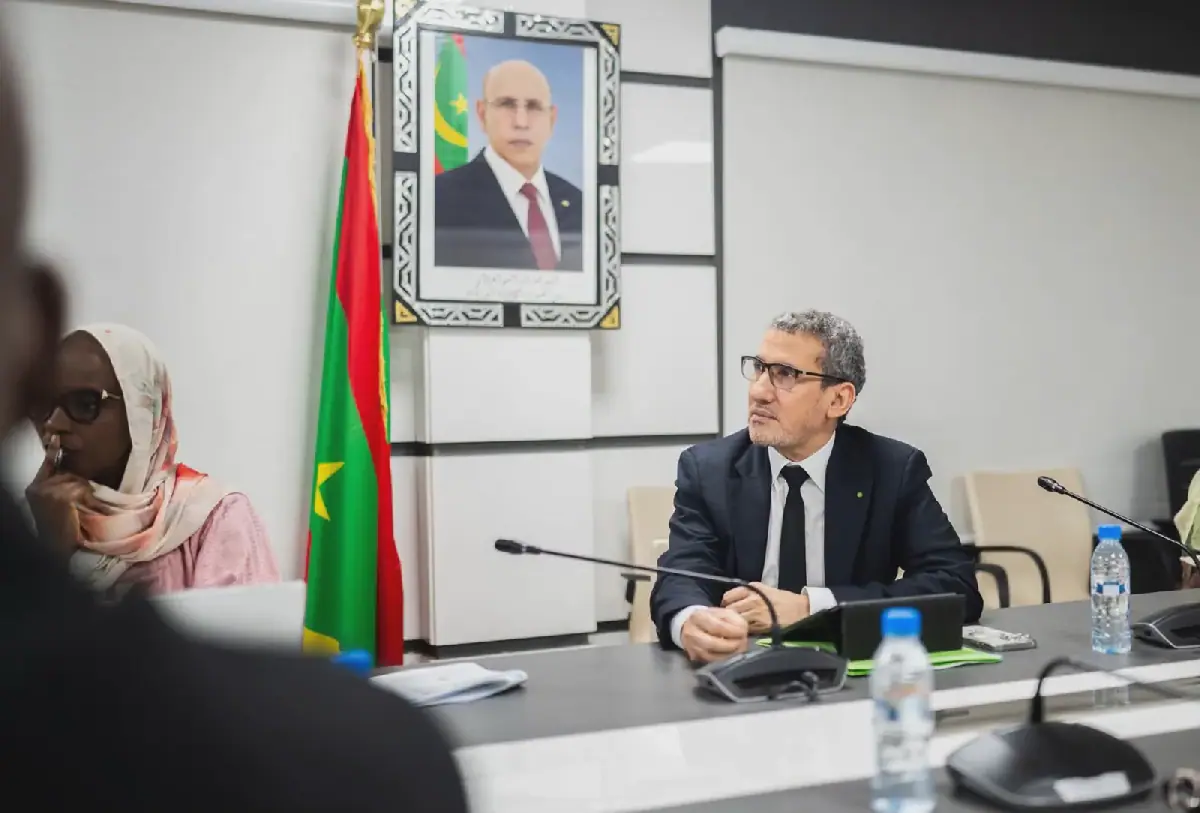
The Central Bank of Mauritania has announced an increase in the reserve requirement for banks from 8% to 15% and a rise in the interest rate from 6.50% to 7.25%. This decision was made by the bank's governor following a meeting of the Monetary Policy Committee on October 28, 2026. The move aims to mitigate the effects of inflation as part of the bank's monetary policy.
The new interest rate of 7.25% is a significant increase from the previous rate of 6.50%. This change is expected to have a ripple effect on the country's economy, influencing borrowing costs and potentially slowing down economic growth. The Central Bank's decision to raise the interest rate is a common tool used by central banks to combat inflation and stabilize the economy.
The reserve requirement, which is the percentage of deposits that banks must hold in reserve rather than lending out, has been increased to 15%. This means that banks will have to set aside a larger portion of their deposits, reducing the amount of money available for lending. This move is also aimed at reducing the money supply in the economy and curbing inflationary pressures.
The Central Bank of Mauritania's decision to raise the reserve requirement and interest rate is a response to the country's economic challenges. Mauritania, like many other countries, has been facing inflationary pressures, which can erode the purchasing power of consumers and reduce the value of savings. By raising interest rates and reserve requirements, the central bank aims to reduce demand for goods and services and slow down price increases.
The effects of these changes will be closely watched by economists and businesses in Mauritania. Higher interest rates can make borrowing more expensive, which may reduce consumer spending and investment. On the other hand, the increased reserve requirement may lead to reduced lending by banks, which can also impact economic growth. The central bank's actions are intended to balance the need to control inflation with the need to support economic growth.
The Monetary Policy Committee's decision to raise the interest rate and reserve requirement was made on October 28, 2026. This committee is responsible for setting monetary policy in Mauritania and meets regularly to review the country's economic conditions and make decisions on interest rates and other policy tools. The committee's decisions have a significant impact on the country's economy and are closely followed by businesses, investors, and consumers.
The Central Bank of Mauritania's actions are aimed at maintaining economic stability and controlling inflation. The bank's governor and the Monetary Policy Committee will continue to monitor the country's economic conditions and adjust monetary policy as needed to achieve their goals. The recent increases in the interest rate and reserve requirement are part of a broader effort to ensure that Mauritania's economy remains stable and grows in a sustainable way.
Key points
- The Central Bank of Mauritania raises the reserve requirement to 15% and the interest rate to 7.25%.