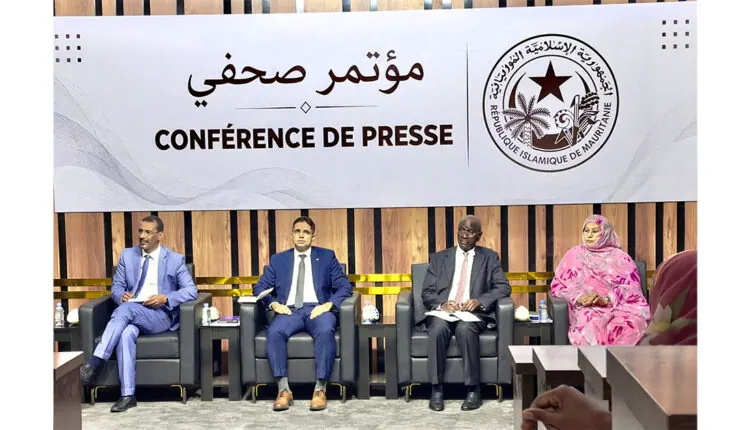
The Mauritanian government has proposed a measure to restrict social media access to minors under 16 years old without parental consent. The proposal, presented in a Council of Ministers meeting on September 16, aims to protect young people from the risks associated with digital media. The move has sparked significant reactions in Nouakchott, with many citizens weighing in on the potential impact on children's safety and freedom of expression.
The proposed restrictions are designed to shield children from online harm, including cyberbullying, exposure to inappropriate content, and screen addiction. According to Samba Diop, a cybersecurity expert, the risks associated with digital media are not always fully understood. He emphasizes that protecting children does not mean completely restricting their access to the internet, but rather educating and accompanying them to ensure safe online practices.
Dia Hamadou Alhousseinou, a popular blogger and parent, supports the restrictions, citing the significant impact of social media on daily life. He believes that finding a solution to regulate minors' use of social media is a positive step. However, he also expresses concerns that overly restrictive measures could limit freedom of expression in a country where social media serves as a vital communication channel.
The proposed measures also aim to limit targeted advertising and block messages from unknown senders. The government hopes to create a safer online environment for children by regulating content that targets minors. This move reflects growing concerns among authorities and citizens about the impact of social media on young people's well-being.
Many children in Mauritania, like their peers in other capitals, spend significant amounts of time on their smartphones, often with minimal parental supervision. Experts argue that parents must take on more responsibility in monitoring their children's online activities and educating them about safe online practices. Social media platforms are also expected to play a role in protecting minors from online harm.
The debate surrounding social media restrictions in Mauritania highlights the challenges of balancing child protection with freedom of expression. While some argue that restrictions are necessary to safeguard young people, others fear that such measures could have unintended consequences, such as limiting access to information and stifling online discourse.
As the Mauritanian government considers the proposed restrictions, citizens and experts will continue to weigh in on the issue. The goal, according to Samba Diop, is to find a solution that protects minors from online harm without excluding them from the digital world. The outcome of this debate will likely have significant implications for the country's approach to regulating social media and safeguarding its young people.
Key points
- The Mauritanian government proposes restricting social media access for minors under 16 without parental consent.
- The measure aims to protect children from online harm, including cyberbullying and exposure to inappropriate content.
- The debate surrounding social media restrictions highlights the challenges of balancing child protection with freedom of expression.