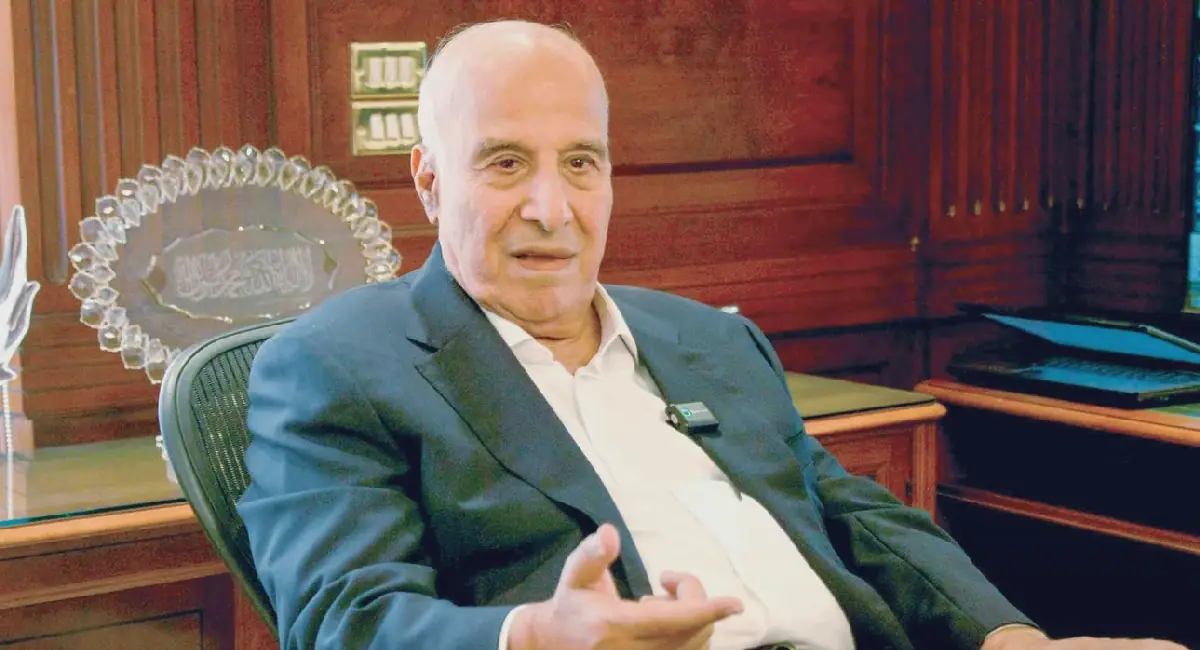
The Egyptian poultry sector is currently experiencing a challenging period, characterized by an oversupply of locally produced chickens compared to domestic demand. This imbalance has led to downward pressure on selling prices and financial losses across the industry. According to Mahmoud El-Anani, head of the General Union of Poultry Producers, the local production stands at approximately 1.6 billion chickens annually.
The industry faces significant challenges, including a substantial increase in production costs, primarily driven by the rising prices of animal feed, energy, and other essential inputs. The cost of producing one kilogram of poultry currently approaches 80 Egyptian pounds, while the selling price hovers around 74 Egyptian pounds. El-Anani attributes the increased costs to various factors, including fluctuations in the dollar exchange rate and fuel prices, which affect not only feed but also medicines, vitamins, and labor costs.
The impact of the "Tayebat" system, which calls for boycotting poultry and eggs, has had a marginal effect on the poultry sector, according to El-Anani. Instead, the industry is focusing on strategies to absorb the surplus production, such as increasing local consumption and exploring export opportunities to new markets. Qatar is a significant importer of Egyptian poultry products, but there is still a considerable surplus in the domestic market that needs to be addressed.
Efforts are underway to adjust production levels to match market demand. Some producers are reducing the duration of their breeding cycles, typically capped at 66 weeks, to limit output and mitigate losses. El-Anani notes that while the current selling price of around 74 Egyptian pounds per kilogram may help efficient farmers break even, many others continue to incur losses and require better pricing to sustain their operations.
The poultry industry's production capacity exceeds current output, with the potential to produce over 1.8 billion chickens annually if demand were to increase. However, the current production of 1.6 billion chickens per year is fully consumed domestically, with no surplus going to waste. The challenge lies in the fact that the market's demand at current prices does not cover production costs, sometimes leading producers to sell below cost or export surplus products.
All segments of the poultry industry, from large companies to small and medium-sized breeders, have been affected by the losses. The rise in the dollar exchange rate, now surpassing 56 Egyptian pounds, has further complicated the situation by increasing the cost of imported raw materials and other production inputs. This has resulted in a wave of increased operating and production costs, although the reflection of these costs in selling prices remains tied to supply and demand dynamics.
Despite these challenges, El-Anani emphasizes that poultry and eggs remain among the most affordable sources of animal protein in Egypt. With a kilogram of poultry available for less than 85 Egyptian pounds and a carton of eggs (weighing approximately two kilograms) priced around 120 Egyptian pounds, these products offer significant nutritional value at a relatively low cost. The industry continues to seek a balance between market freedom and sustainability to ensure its long-term viability.
Key points
- Egypt's poultry production currently stands at 1.6 billion chickens annually.
- The cost of producing one kilogram of poultry approaches 80 Egyptian pounds.
- The poultry sector faces challenges from oversupply, rising costs, and pressure on selling prices.