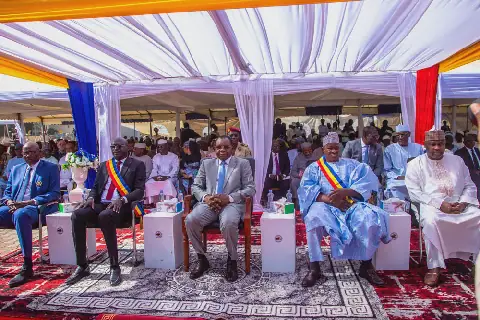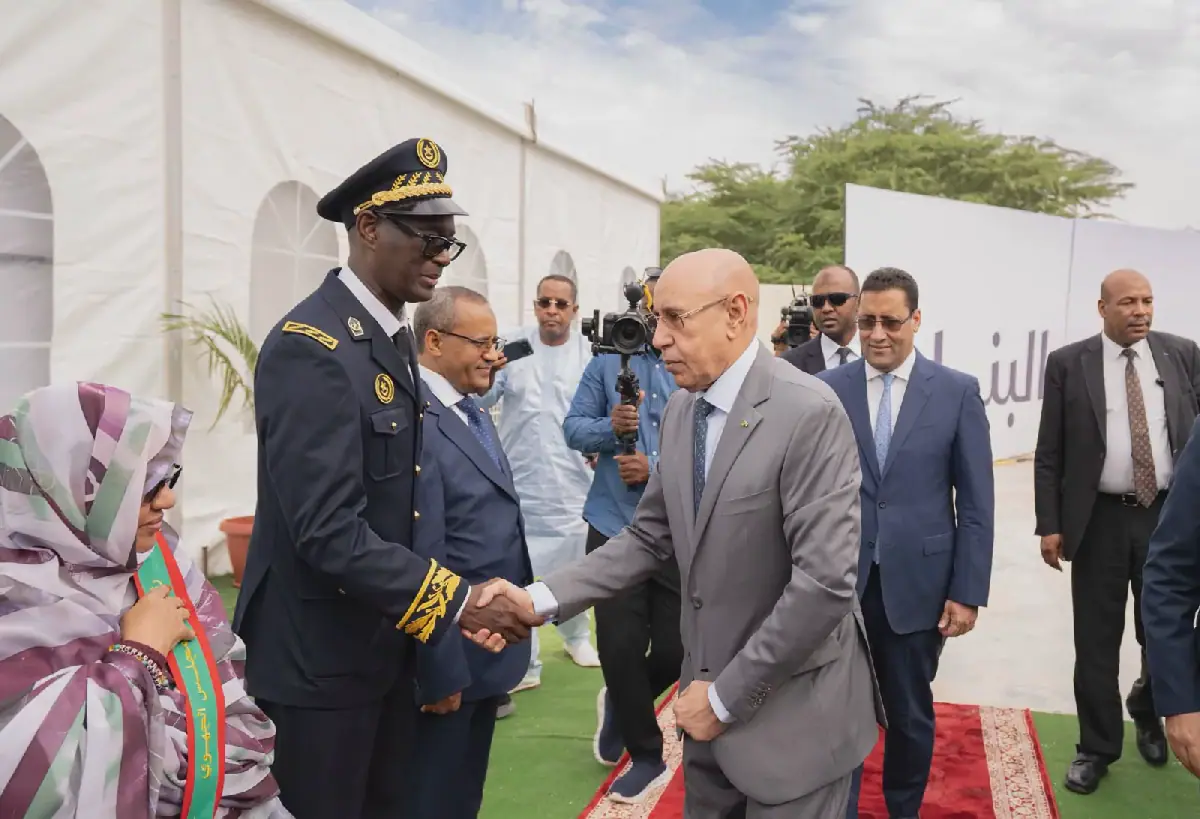
Mauritanian President Mohamed Ould Cheikh El Ghzouani recently launched the second phase of the emergency development program for Nouakchott, the country's capital. This phase is part of a larger government plan to develop the city's infrastructure and improve essential services such as education, healthcare, water, electricity, and transportation. The first phase of the program cost 69 billion ouguiya, while the second phase has a budget of 115 billion ouguiya, bringing the total cost to 184 billion ouguiya.
The second phase of the program includes various projects across several sectors. In education, the government plans to build 510 new classrooms, including two high schools, seven middle schools, and 18 elementary schools, as well as two dormitories and six kindergartens. Additionally, the government will renovate three centers for children with special needs. In the healthcare sector, the second phase involves the construction of a maternity hospital, four emergency facilities, three kidney dialysis centers, a national center for severe burns, and another center for mental health and addiction treatment.
The first phase of the program made significant progress in various sectors. In education, the government built 460 new classrooms, renovated 859 classrooms, and intervened in 120 educational institutions. In the healthcare sector, the government intervened in 14 health centers, completing work on nine of them, and expanded seven centers. The government also converted seven health points into centers. In transportation, the first phase involved the construction of 68 kilometers of roads and the advancement of work on the city's ring road and airport road expansion.
The second phase of the program also focuses on transportation and water supply. The government plans to build 70 kilometers of new roads, complete the city's ring road connections, and construct five new overpasses. In the water and sanitation sector, the second phase involves laying 379 kilometers of new water networks, building 10 kilometers of sanitation networks, and treating 43 stagnant water ponds. These projects aim to improve the quality of life for Nouakchott's residents.
In the electricity sector, the first phase of the program involved the construction of 150 kilometers of electrical networks, 40 kilometers of connection networks, four mobile distribution stations, and 36 transformation stations. The government also built 215 kilometers of public lighting networks. The second phase includes the construction of 41 new transformation stations, new connection lines, and 187 kilometers of public lighting networks. These projects will help improve the reliability and efficiency of the city's electricity supply.
The development program also includes projects to improve public spaces and sports facilities. In the first phase, the government built and equipped the Aine stadium, renovated the Sebkha stadium and its youth center, and constructed a semi-Olympic swimming pool and a multi-purpose hall. The second phase involves the construction of 24 new sports fields, youth centers, and the renovation of existing sports facilities. These projects aim to promote youth development and sports in Nouakchott.
The launch of the second phase of the Nouakchott development program marks a significant milestone in the government's efforts to improve the city's infrastructure and essential services. The program's success will depend on the timely completion of projects, the effective operation of new facilities, and the sustainability of services. The government aims to enhance the quality of life for Nouakchott's residents and promote economic growth and development in the region.
Key points
- The second phase of the Nouakchott development program has a budget of 115 billion ouguiya and includes various projects in education, healthcare, transportation, and other sectors.
- The program aims to improve the quality of life for Nouakchott's residents and promote economic growth and development in the region.
- The government has made significant progress in the first phase of the program, and the second phase is expected to build on these achievements.