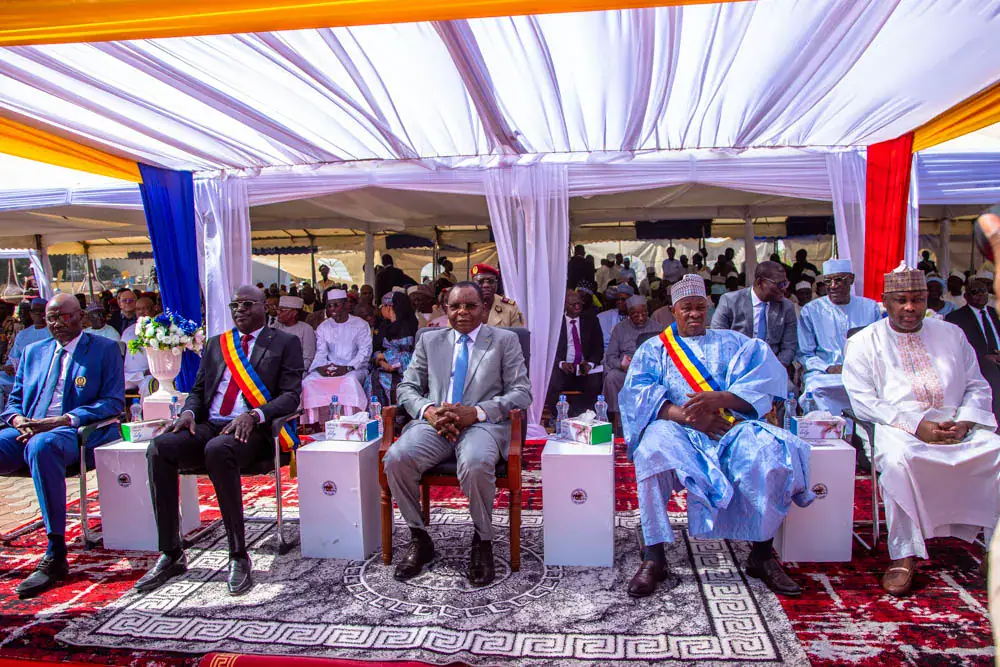
The second edition of Chad's National Livestock Salon (SNET 2026) was officially launched on November 5 in N'Djamena. The event aims to modernize the pastoral sector and transform animal products into a wealth-generating industry. Several civil, military, traditional, and religious authorities, as well as technical and financial partners, attended the ceremony. The salon seeks to strengthen the transformation of animal products and make livestock a driver of economic growth and job creation.
The ceremony was marked by the presence of various stakeholders from the country's 23 provinces. Dr. Abakar Mahamat Nour Mallay, president of the organizing committee, praised the mobilization of actors, highlighting the strategic importance of livestock in the national economy. He emphasized that the sector is a pillar of the Chadian economy and contributes to food security. According to estimates for 2025, the national herd counts 166,643,446 heads of cattle, plus 37,513,798 poultry.
Chad occupies the top global rank for its camel herd, estimated at over 11,391,044 heads. The country's livestock exports are also a significant source of foreign exchange, ranking second after oil. The Minister of Livestock and Animal Production, Abderahim Awat Atteib, stated that this edition aligns with the orientations of the National Development Plan "Tchad Connexion 2030" and the strategic vision of the Head of State.
The ambitions of the salon are built around three main axes. The first concerns the development of industrial units for local transformation of meat, milk, hides, and skins. The second aims to improve animal health and optimize the performance of local breeds. The third focuses on developing pastoral infrastructure, including water points, animal feed, and access to regional and international markets.
The SNET 2026 will feature exhibitions, professional meetings, and competitions showcasing animal species from different provinces. The best specimens of cattle, goats, camels, and horses will be rewarded. The salon also aims to be a platform for connecting breeders, investors, processors, researchers, and banking institutions. The goal is to foster partnerships and facilitate access to financing and development opportunities for sector actors.
Beyond promoting the pastoral heritage, this second edition reflects the ambition to evolve Chadian livestock into a more structured, productive, and industrially-oriented model. This dynamic could contribute to job creation, particularly for young people and women. The event will bring together various stakeholders to discuss the potential of the sector and explore ways to unlock its economic benefits.
The salon's outcomes are expected to contribute to the country's economic growth and development. By transforming the pastoral sector, Chad aims to tap into the potential of its livestock resources and create new opportunities for its population. The event will continue for several days, with participants engaging in discussions, exhibitions, and competitions that highlight the importance of the sector.
Key points
- The Chadian government aims to develop industrial units for local transformation of animal products.
- The country's livestock exports are a significant source of foreign exchange, ranking second after oil.
- The salon seeks to create jobs, particularly for young people and women, through the development of the pastoral sector.