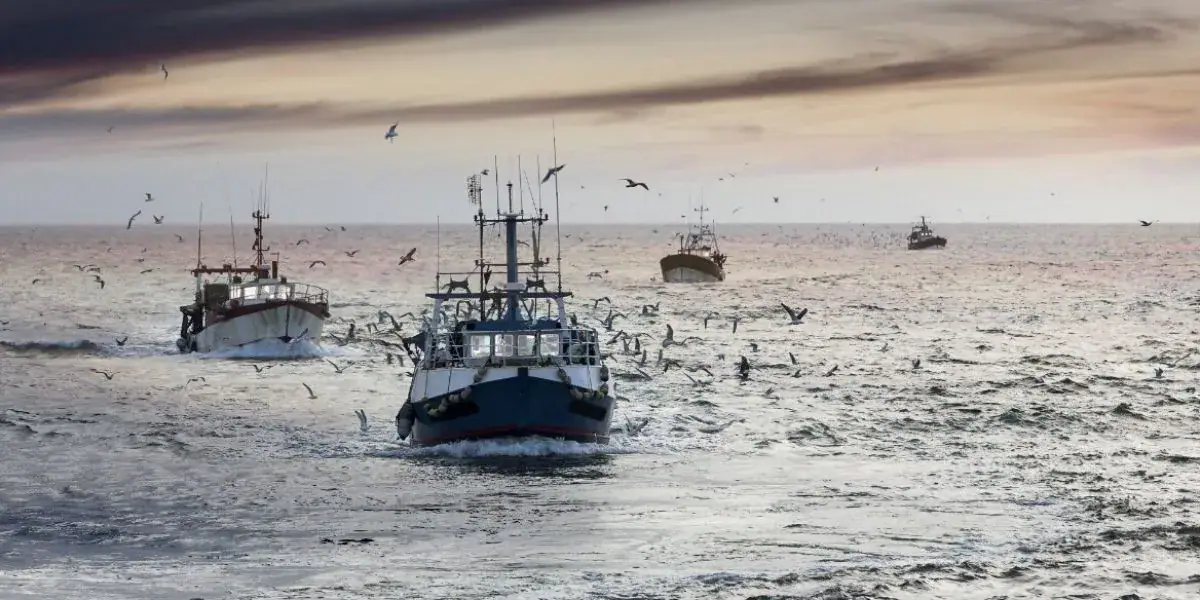
The fishing agreement between Mauritania and the European Union is set to expire on November 14, leaving the EU's fishing fleet operating in Mauritanian waters with an uncertain future. The agreement, which has been in place for five years, allows EU vessels to catch 280,000 tonnes of fish and crustaceans per year. Without a new deal, nearly 100 vessels from 10 EU member states, mainly Spain, France, Portugal, Germany, Ireland, and the Netherlands, risk having to cease operations.
The Mauritanian government is seeking to improve the terms of the agreement and increase the socio-economic benefits for the country. The current agreement provides Mauritania with an annual financial contribution of €60.8 million, including €57.5 million for access to fishing resources and €3.3 million for sustainable development of the local fishing sector. The EU, on the other hand, wants to preserve its interests and maintain the benefits it has acquired.
In preparation for a potential no-deal scenario, the Mauritanian government has excluded the expected €61 million annual financial contribution from the EU from its 2027 budget. The country's authorities are keen to maximize their gains, while the EU is seeking to guarantee the continuity of its operations. Negotiations between the two parties have been ongoing since the beginning of the year, but have been contentious.
The current agreement allows EU vessels to catch a range of species, including small pelagic fish, demersal species, crustaceans, tuna, and cephalopods. The EU's fishing fleet operating in Mauritanian waters is a significant player in the country's fishing industry. The expiration of the agreement has raised concerns about the impact on the industry and the livelihoods of those dependent on it.
The Mauritanian government has been using its strategic leverage to push for better terms, while the EU has been seeking to maintain its interests. The two parties have engaged in several rounds of negotiations, but a new agreement has yet to be reached. The situation is being closely watched by the fishing industry and other stakeholders.
The expiration of the agreement has significant implications for the EU's fishing fleet, which relies heavily on Mauritanian waters for its operations. The EU has been seeking to maintain its access to the country's fishing resources, while Mauritania is keen to increase its benefits from the agreement. A new deal is crucial to ensuring the continuity of fishing operations and the livelihoods of those dependent on the industry.
The situation remains uncertain, with no clear indication of when a new agreement will be reached. The Mauritanian government and the EU will need to continue negotiations to find a mutually beneficial solution. The fishing industry and other stakeholders are eagerly awaiting a new agreement that will ensure the continuity of fishing operations and the benefits that come with it.
Key points
- The fishing agreement between Mauritania and the EU is set to expire on November 14.
- The agreement allows EU vessels to catch 280,000 tonnes of fish and crustaceans per year.
- The Mauritanian government has excluded the expected €61 million annual financial contribution from the EU from its 2027 budget.