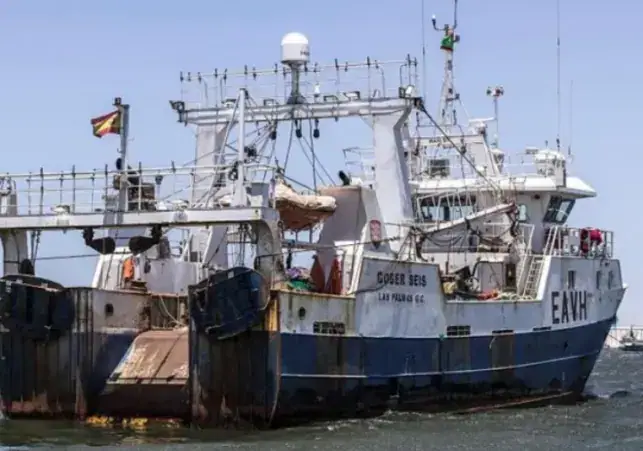
The fisheries agreement between Mauritania and the European Union is set to expire on November 14, 2026, with no new agreement announced yet. The European Commission has warned EU member states that their vessels will no longer be allowed to fish in Mauritanian waters after the current protocol expires. The agreement allows vessels from ten EU member states to catch up to 280,050 tonnes of fish per year, including shrimp, demersal species, tuna, and small pelagic fish.
In the lead-up to the expiration, discussions between the EU and Mauritania have intensified. European Commissioner for Fisheries, Costas Kadis, has had two video conferences with Mauritania's new Minister of Fisheries, Aïssata Lam, with the most recent being on November 9. The Commission has presented a revised offer to make the agreement more acceptable. Kadis reaffirmed that concluding an agreement is a high priority for the Commission.
The current protocol provides an annual financial contribution of €60.8 million from the EU, part of which supports Mauritania's fisheries policy. The expiration of the protocol could affect 60 European vessels, including 25 based in the Andalusia region, potentially threatening around 500 direct and indirect jobs. Spanish officials are calling for a transitional solution or measures to mitigate the impact of the halt in fishing activities.
The main point of contention in the negotiations appears to be the amount of financial contribution from the EU in exchange for access to Mauritanian fisheries resources. Four negotiation cycles have taken place since January. Daniel Voces de Onaíndi González, Director-General of Europêche, expressed concern about the departure of the European fleet, citing poor management by the European Commission.
A Spanish newspaper, El País, reported that around 30 Spanish fishing vessels have started leaving Mauritanian fishing grounds, with a total of around 60 vessels from all EU countries affected. The current agreement allows European vessels to catch up to 280,000 tonnes of fish, including tuna, shrimp, and squid. The negotiations have stalled due to disagreements over the financial compensation paid by the EU to Mauritania.
The Mauritanian government and EU have been negotiating for six months without reaching an agreement, despite requests from Spain, Portugal, the Netherlands, and Latvia to accelerate negotiations and consider extending the current protocol. The cooperation between Mauritania and the EU in fisheries dates back to 1987, with the current protocol set to expire on November 14.
The National Rally for Reform and Development (Tawassoul) has called on the Mauritanian government to prioritize national interests and sovereignty over maritime resources in upcoming negotiations with the EU. The party emphasizes the need for strict environmental guarantees to prevent the depletion of fisheries resources and for a fair partnership that benefits the country economically and promotes sustainable development.
Key points
- Expiration of the agreement could affect 60 European vessels and threaten around 500 jobs.
Reporting sources
- Une chance pour renouveler l'accord de Pêche Mauritanie-UE ? · L'Authentique (Mauritania)