The Mauritanian government has launched a crackdown on expatriate bloggers, accusing them of corruption and extortion. The move has sparked concerns over press freedom and government overreach. According to reports, the bloggers, mainly based in the United States, have been critical of the government and have exposed alleged corruption and embezzlement of public funds. The government claims to have identified a "vast network of extortion and blackmail" operating from abroad.
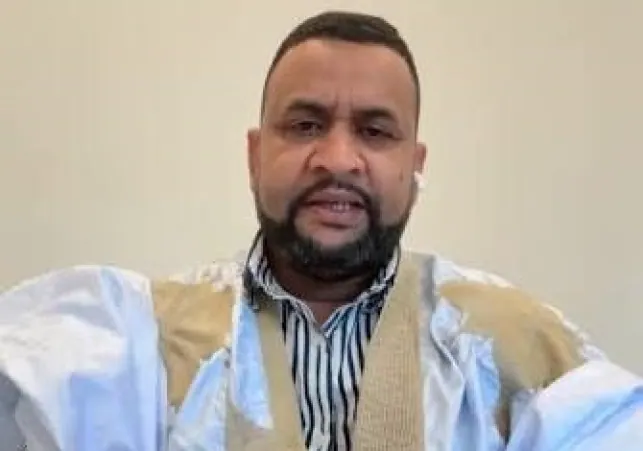
One blogger, Sidi Ould Kmach, a former military officer, has been singled out by authorities. Kmach, who has been living in the US for several decades, is a popular blogger in Mauritania, known for his scathing attacks on the government of President Mohamed Cheikh Ghazouani. His social media page has a large following, and his posts often contain information that appears to be first-hand, sparking suspicions that he has a network of informants within the country.
On September 28, Kmach's brother and sister were arrested and taken to the National Security Directorate and then to the Police Academy. Their lawyers and families have been denied access to them, and no information has been released on their detention or the reasons for their arrest. Six others have also been questioned, with some still in detention. The arrests have sparked concerns over the government's actions and the impact on press freedom.
The government's actions have raised questions about the role of the state in this affair. Critics argue that if the bloggers have indeed committed crimes, the victims should have come forward to report them. Others wonder why the government has not targeted the alleged perpetrators of corruption and embezzlement, rather than the bloggers who are exposing them. The government's motives and timing have also been questioned, with some speculating that the crackdown is politically motivated.
The crackdown has also sparked debate about the relationship between the government and the bloggers. Some argue that the bloggers have become intermediaries in a power struggle within the government, with different factions feeding them information to discredit their opponents. Others see the government's actions as an attempt to silence critics and stifle dissent.
So far, the results of the government's investigation appear to be limited. The only tangible outcome has been the confiscation of a house in Nouakchott owned by Kmach. On October 3, police searched the brother's shop, but the objectives of the search remain unclear. Many see the government's actions as an overreaction and an attempt to intimidate critics.
The case has sparked widespread concern and debate in Mauritania, with many questioning the government's motives and actions. The incident has also raised concerns about the future of press freedom and the ability of citizens to express themselves online. As the situation continues to unfold, many are watching to see how the government will balance its concerns about corruption and national security with the need to protect press freedom and human rights.
Key points
- The Mauritanian government has launched a crackdown on expatriate bloggers accused of corruption and extortion, sparking concerns over press freedom and government overreach.
- One blogger, Sidi Ould Kmach, has been singled out by authorities for his scathing attacks on the government.
- The government's actions have raised questions about the role of the state in this affair and the impact on press freedom.