The Mauritanian government has completed the first phase of its emergency development program for Nouakchott, the country's capital. The program, which lasted 16 months and cost 69 billion ouguiya, focused on several key sectors including education, urban roads, water, and environment. A total of 1335 classroom units were built, and 18 health centers were completed out of a planned 28. Work is ongoing on the remaining 10 health centers, with five expected to be finished within a month.
The first phase of the program also saw the completion of projects aimed at providing clean drinking water and eliminating stagnant water pools. Urban road and environmental projects were also finalized. However, the completion rate for stormwater drainage projects stood at 70%, while electricity and public lighting projects reached 92.9%. In the youth and sports sector, all planned projects were completed except for the Olympic swimming pool, which has a 60% completion rate.
The government presented a report on the first phase of the program alongside the launch of the second phase. The second phase will run for 16 months and has a budget of 115 billion ouguiya. It aims to complete unfinished projects from the first phase and initiate new ones. These include building five bridges at major intersections, expanding water, sanitation, and electricity networks, and constructing new health and education facilities.
The new phase also plans to improve specialized and emergency health services and increase educational infrastructure. This includes building dormitories for students, kindergartens, and centers for people with special needs. Additionally, the government intends to expand sports and youth facilities and enhance urban planning as part of its efforts to modernize Nouakchott's infrastructure and services.
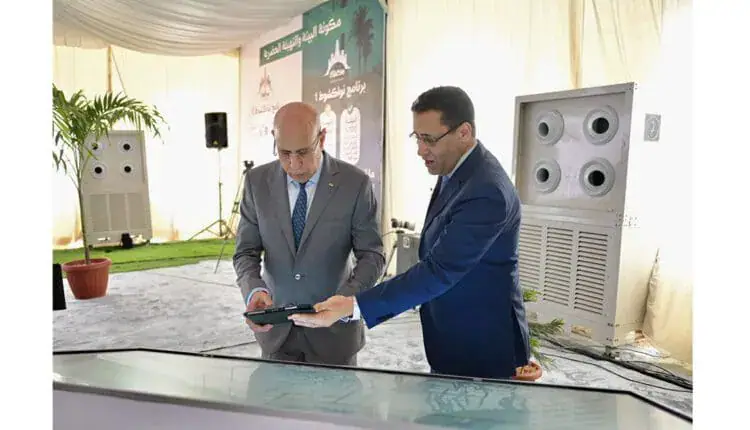
President Mohamed Ould Cheikh El Ghazouani launched the second phase of the program, emphasizing the government's commitment to developing Nouakchott. The program is designed to address some of the city's most pressing challenges, including inadequate infrastructure and limited access to basic services. By completing the first phase and starting the second, the government aims to significantly improve living conditions in the capital.
The development program for Nouakchott is a comprehensive initiative that seeks to transform the city's infrastructure and service delivery. It encompasses a wide range of sectors, from education and healthcare to transportation and urban development. The program's success is critical for the country's future, as Nouakchott continues to grow and face new challenges.
As the second phase of the program gets underway, residents of Nouakchott are hopeful that it will bring tangible improvements to their daily lives. With a focus on enhancing infrastructure and services, the government aims to create a more sustainable and livable city. The program's impact will be closely watched, both domestically and internationally, as Mauritania seeks to drive development and progress.
Key points
- The first phase of the Nouakchott development program cost 69 billion ouguiya and was completed over 16 months.
- The second phase of the program has a budget of 115 billion ouguiya and will run for 16 months.
- The development program focuses on education, infrastructure, and environmental projects to improve living conditions in Nouakchott.