The South African Mineral and Petroleum Resources Department has confirmed a significant increase in fuel prices, effective Wednesday. Both grades of petrol will see a hike of over R3 per litre. This development is expected to impact motorists across the country, adding to their financial burden. The department cited international and local factors contributing to the price adjustment.
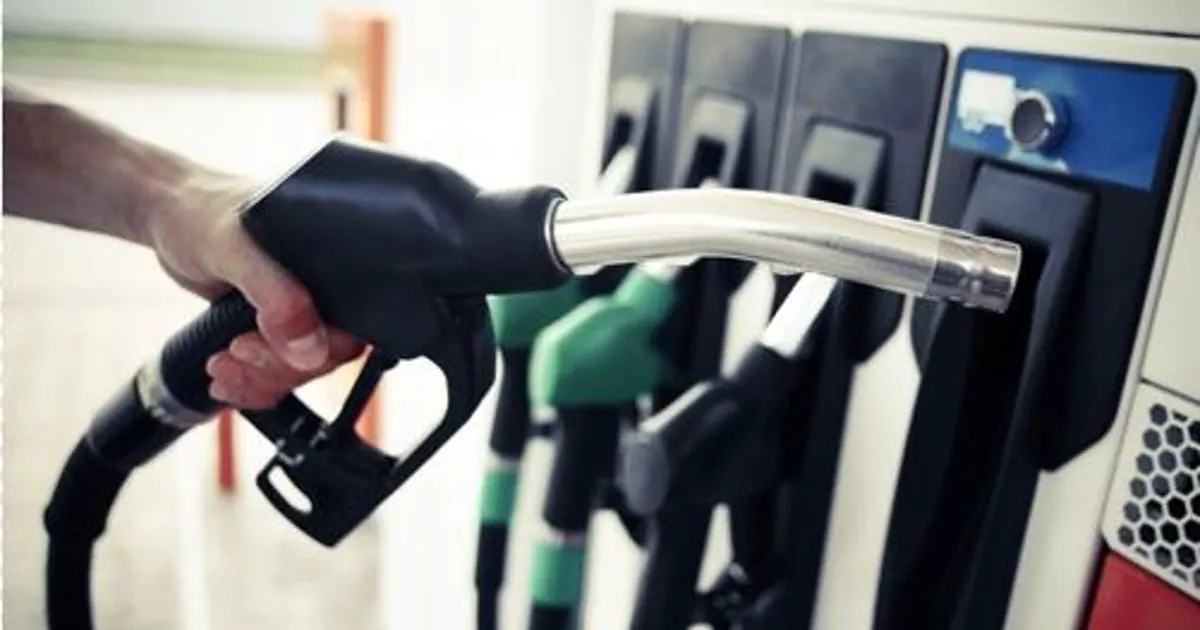
The exact increases are as follows: 93-octane petrol will rise by R3.12 per litre, while 95-octane petrol will increase by R3.33 per litre. Diesel prices will also go up by between R2.84 and R3.24 per litre. Additionally, the cost of illuminating paraffin and LP gas will see an increase. These changes are part of the monthly fuel price adjustments in South Africa.
According to the department, South Africa's fuel prices are influenced by international factors, including the importation of crude oil and finished products at international prices. The ongoing conflict between the US and Iran, particularly in the Strait of Hormuz, has been cited as one of the factors contributing to the price hike. This region is crucial for global oil supplies.
The department's spokesperson, Lerato Ntsoko, explained that the fuel price adjustments are informed by both international and local factors. The country's reliance on imported oil and products at international prices plays a significant role in determining fuel prices. This has been a consistent challenge for South Africa's fuel market.
The fuel price increase is expected to have a ripple effect on the economy, particularly for consumers and businesses that rely heavily on fuel for transportation. This development comes at a time when the country is already grappling with various economic challenges. The impact of the fuel price hike on inflation and economic growth will be closely monitored.
The Reserve Bank has been working to manage inflation, which has been driven in part by fuel price shocks. The bank's efforts to stabilize the economy will likely be further tested by this latest development. The fuel price hike is a significant concern for policymakers, who must balance the need to control inflation with the need to support economic growth.
Motorists in South Africa will feel the pinch of the fuel price increase from Wednesday. The hike of over R3 per litre for petrol and significant increases in diesel and other fuel products will lead to higher transportation costs. This development is likely to affect various sectors of the economy, from consumers to businesses and industries that rely on fuel for their operations.
Key points
- The fuel price hike is attributed to international factors, including the ongoing conflict between the US and Iran in the Strait of Hormuz.
- The increase in fuel prices will have a significant impact on motorists and the broader economy.
- The South African Reserve Bank has been working to manage inflation, which has been driven in part by fuel price shocks.