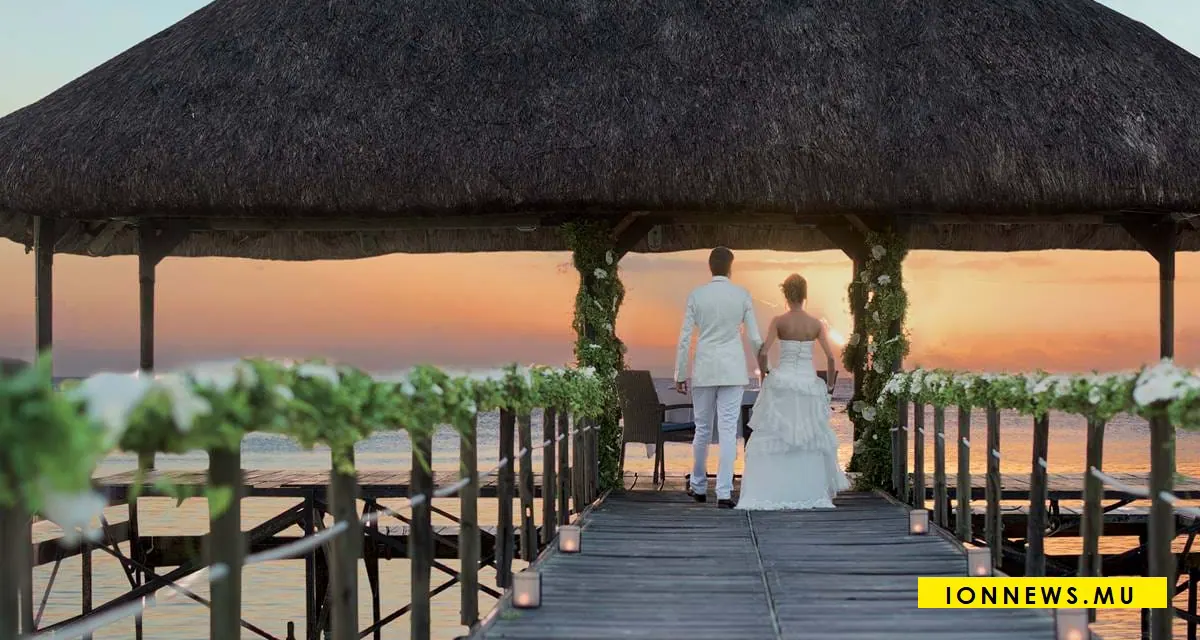
The institution of marriage in Mauritius is undergoing a significant transformation. According to Statistics Mauritius, 3,431 marriages were registered in the first half of 2026, a 2.4% decline from the 3,515 unions recorded during the same period in 2025. This downward trend is not an isolated phenomenon, but rather a continuation of a decline observed over several years. The marriage rate has been steadily decreasing, reflecting a profound change in the country's social fabric.
The decline in marriages can be attributed to various factors, including economic pressure and the high cost of living. The increasing financial burden of accessing land or property, combined with the expensive traditional wedding celebrations, has led many young couples to postpone or forego formal marriage ceremonies. As a result, the traditional model of family life is being redefined, with many opting for alternative arrangements.
The evolution of financial independence, particularly among women, has also contributed to the decline in marriages. With higher levels of education and increased participation in the workforce, women are no longer reliant on marriage for financial security or social status. This shift in priorities has led to a change in attitudes towards marriage, with many viewing it as no longer a prerequisite for autonomy.
The rise of cohabitation without marriage is another significant factor contributing to the decline in formal unions. While traditional marriage remains an integral part of Mauritian culture, cohabitation is increasingly being seen as a viable alternative or transitional phase. This trend reflects a broader societal change, with many opting for more flexible and pragmatic arrangements.
The decline in marriages has significant implications for Mauritius' demographics. The country is experiencing a decline in population growth, coupled with an aging population and a decrease in birth rates. The reduction in formal marriages often corresponds with delayed childbearing, further contributing to the slowing population growth.
Despite the decline in marriages, the institution remains deeply ingrained in Mauritian culture, holding significant symbolic and cultural value. However, the data suggests a pragmatic reorganization of life stages, with individuals adapting to changing economic and sociological realities. The question is no longer whether marriage will disappear, but rather how it will evolve in response to these shifts.
As Mauritius continues to navigate these demographic and societal changes, it is essential to consider the implications for the country's social and economic development. The Statistics Mauritius data highlights the need for policymakers and stakeholders to engage with these trends, ensuring that the country's institutions and infrastructure adapt to the evolving needs of its citizens.
Key points
- The marriage rate in Mauritius has declined by 2.4% in the first half of 2026, with 3,431 unions registered.
- Economic pressure, changing attitudes towards financial independence, and the rise of cohabitation without marriage are contributing factors to the decline.
- The decline in marriages has significant implications for Mauritius' demographics, including a decline in population growth and an aging population.