A recent survey conducted by the National Institute of Statistics of Rwanda (NISR) as part of the 2023-2024 Enquête Intégrale sur les Conditions de Vie des Ménages au Rwanda (EICV7) has shed light on the state of sanitation in Kigali. The survey found that 99.4% of households in Kigali use toilets that meet the required standards, but only 46.9% of households have toilets that are not shared with other families. This means that over 53% of households in Kigali do not have private toilets.
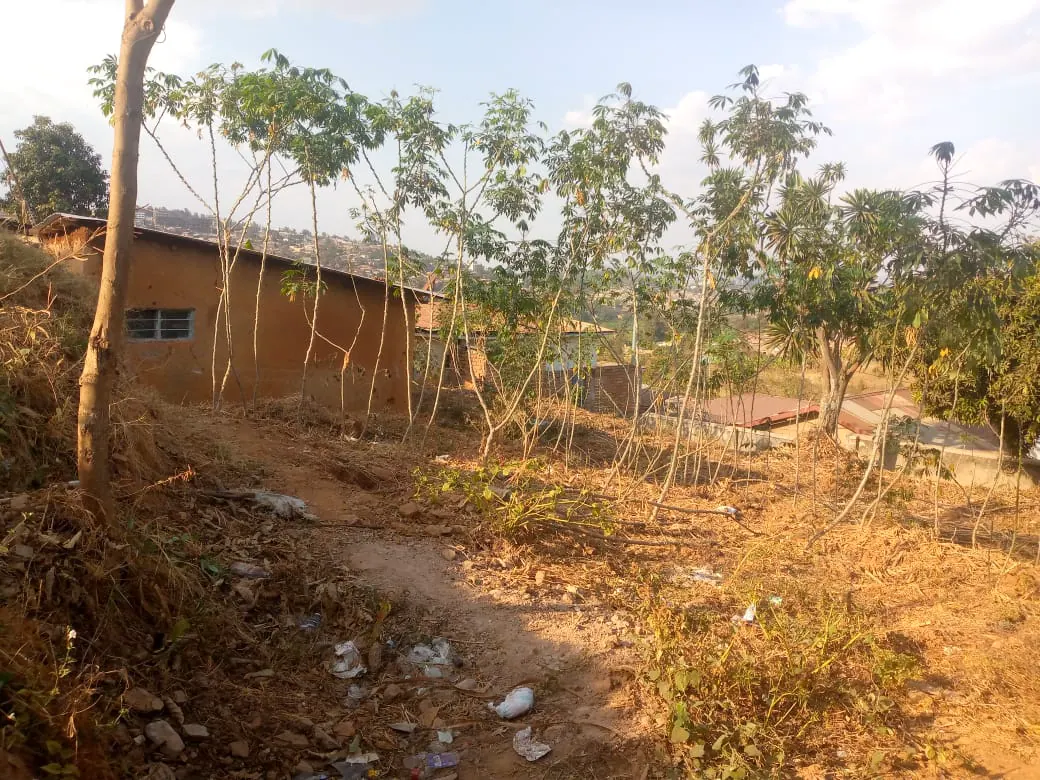
The situation is even more dire in certain neighborhoods, such as Nyarugenge and Nyamirambo, where residents face significant challenges in accessing private toilets. In some areas, residents have resorted to using communal toilets or open defecation. For example, in the Akarekare neighborhood of Nyamirambo and Rwampara neighborhood of Nyarugenge, residents have reported using makeshift toilets or open defecation due to the lack of private facilities.
Residents who spoke to this publication reported that they have been living without private toilets for a long time, with some saying that they have been using communal facilities or open defecation for years. They cited various challenges, including the lack of space, poor infrastructure, and inadequate waste management. Some residents also reported that they have tried to discuss the issue with their landlords, but to no avail.
The survey also found that at the national level, 94.3% of households in Rwanda use toilets that meet the required standards, but only 72.4% of households have toilets that are not shared with other families. The EICV7 survey highlights the need for improved sanitation infrastructure in Rwanda, particularly in urban areas like Kigali.
The lack of private toilets has significant implications for public health, as it increases the risk of waterborne diseases and other health problems. The City of Kigali authorities have urged residents to be mindful of their waste management practices, particularly in the rainy season, to prevent the spread of diseases.
According to the EICV7 survey, 0.2% of households in Kigali do not have access to toilets, while at the national level, 0.9% of households are in the same situation. The survey also found that many toilets in Kigali are not designed to withstand heavy rainfall, which can lead to flooding and other sanitation challenges.
The City of Kigali authorities have called on residents to work together to improve sanitation in the city, including through the construction of private toilets and improved waste management practices. Residents have also been encouraged to report any sanitation challenges they face to the authorities, to enable targeted interventions.
Key points
- Over 53% of households in Kigali lack private toilets.
- Many residents in Kigali rely on communal toilets or open defecation due to lack of private facilities.
- The lack of private toilets in Kigali poses significant public health risks, particularly in the rainy season.