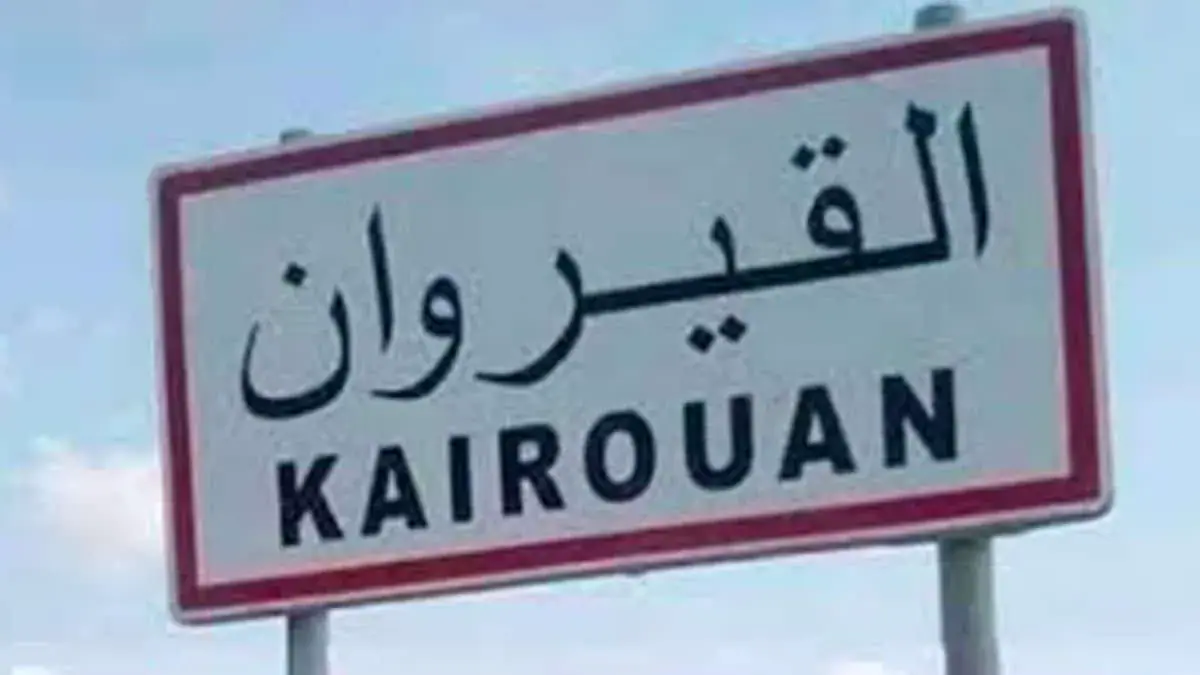
The Kairouan governorate in Tunisia is home to numerous educational establishments that were built in the 1950s and 1960s and are now in a state of disrepair. Many of these institutions have developed cracks in their ceilings, crumbling walls, clogged and rusty pipes, and broken windows. This deterioration poses a significant risk to the safety of students and teachers. According to reports, incidents such as falling bricks and collapsing ceiling sections have occurred in classrooms, highlighting the urgent need for renovation.
Every year, authorities are forced to close classrooms as a precautionary measure, pending restoration work. Schools such as "Plaine de Kairouan" and "Abida" in the delegation of Chbika are in dire need of intervention, with walls showing cracks, broken windows, and damaged flooring. Additionally, outdated furniture, including tables and chairs from the 1980s, is in poor condition, and storage units are infested with pests. Despite technical assessments being conducted several years ago, no significant repairs have been made.
The problems are not limited to these schools, as institutions like "Aouled Ameur" and Dhgima in Hajeb El Ayoun, Brahmya in El Ala, "Aouled Zaghdoud", "Tawssa", "Ras El Itha", "Oued El Gssab", and "Bir Chorfa" in Bochagla also require urgent attention. Furthermore, 57% of primary schools in the area face issues with access to clean drinking water. Many schools lack basic infrastructure, including sanitary facilities, canteens, and fencing, forcing students to relieve themselves in open areas, which poses health risks.
The situation is further complicated by the lack of school transportation in several areas, leaving hundreds of students and teachers vulnerable to dangers such as snakes, stray dogs, and wild boars. This has led to some children abandoning their studies, with parents who cannot afford to enroll them in better-equipped schools encouraging them to do so. The challenges faced by these educational institutions have a direct impact on the quality of education provided.
Overcrowded classrooms are another significant issue, with teachers complaining about the high number of students per class. For example, schools like Okba, Ibn-El Jzzar, Ibn-Charaf, and Bouhajla have between 38 and 42 students per class, resulting in a loss of valuable teaching time. This has prompted some parents to enroll their children in private schools. The strain on public education resources is evident.
The phenomenon of private tutoring has also become a burden for many families, with some teachers requiring students to attend their private classes at increasingly high costs. This has led to financial difficulties for families, with some having to take out loans or accumulate debt to cover the expenses. The practice of private tutoring has become widespread, with some teachers even requiring payment in advance for the entire academic year.
The issue of private tutoring was recently highlighted by parents who shared their experiences on a regional radio station. One mother reported being asked to pay 50 dinars for her child's private classes just before the October break, while another parent revealed being asked to pay 400 dinars in advance for his child's technology classes. These testimonies underscore the difficulties faced by families in accessing quality education.
Key points
- Many educational establishments in Kairouan require urgent renovation due to their state of disrepair.
- Overcrowded classrooms and lack of infrastructure, including sanitary facilities and school transportation, exacerbate the challenges faced by students and teachers.
- The phenomenon of private tutoring has become a significant financial burden for many families.