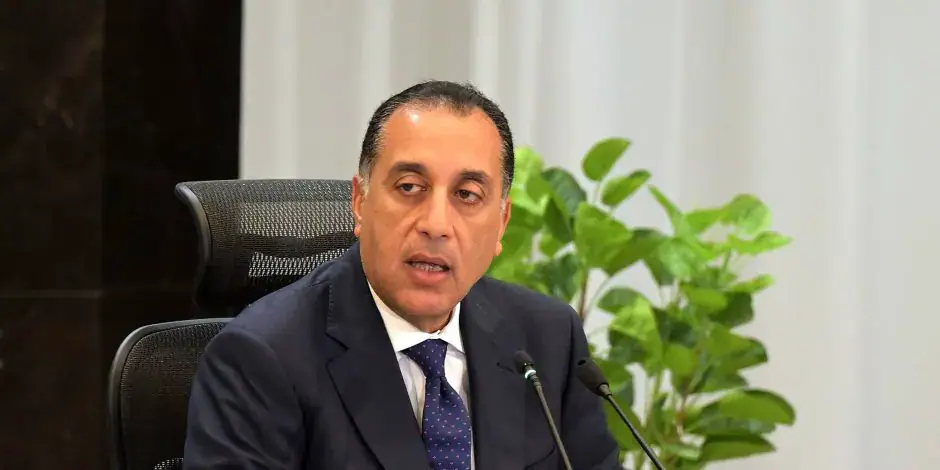
The Egyptian government has announced that it will implement fuel rationing measures, but only in ministries and not in homes. According to the government's spokesperson, Mr. Mohamed Adel, the decision aims to reduce fuel consumption within government institutions. He emphasized that this move will not affect electricity supply to households. The announcement was made during a phone interview with journalist Ahmed Musa on the "On My Responsibility" program aired on Sada El-Balad channel.
The government's decision comes as part of a broader effort to manage the country's resources effectively. Mr. Adel mentioned that a meeting of the Central Committee for Crisis Management was held to discuss securing supplies of essential goods and medicine. The committee reviewed the availability of strategic stockpiles, which are currently sufficient to meet the needs of citizens for several months. The government is working to ensure that the supply of essential goods remains stable.
In a related development, the government has launched initiatives to provide essential goods at discounted prices. Mr. Adel stated that 30 essential goods are being sold at prices reduced by up to 20%. These initiatives aim to alleviate the burden on citizens and support low-income families. The government's efforts to manage prices and ensure the availability of essential goods are ongoing.
Global economic factors have contributed to the current situation. Mr. Adel noted that international oil prices have been rising, with the price of a barrel exceeding $110. He added that Egypt has been experiencing high oil prices for eight months. The government is working to balance the needs of citizens with the challenges posed by global economic trends.
The government is also focused on promoting investment and encouraging economic growth. Mr. Adel highlighted the recent success of the Cairo Bank's initial public offering, which raised 36 billion Egyptian pounds. The offering attracted significant interest from investors, both locally and internationally. A total of $600 million was invested by foreign investors in the Egyptian stock market.
The government's efforts to manage the economy and provide support to citizens are ongoing. Mr. Adel emphasized that the government is committed to ensuring the stability of the economy and protecting the interests of citizens. The authorities are working to address the challenges posed by global economic trends and ensure that the needs of citizens are met.
In conclusion, the Egyptian government's decision to implement fuel rationing in ministries is part of a broader effort to manage resources effectively. The government is working to ensure the stability of the economy, promote investment, and provide support to citizens. The authorities remain committed to addressing the challenges posed by global economic trends and ensuring that the needs of citizens are met.
Key points
- The Egyptian government has implemented fuel rationing measures in ministries, not homes.
- The government has launched initiatives to provide essential goods at discounted prices.
- Global economic factors, including high oil prices, have contributed to the current situation.