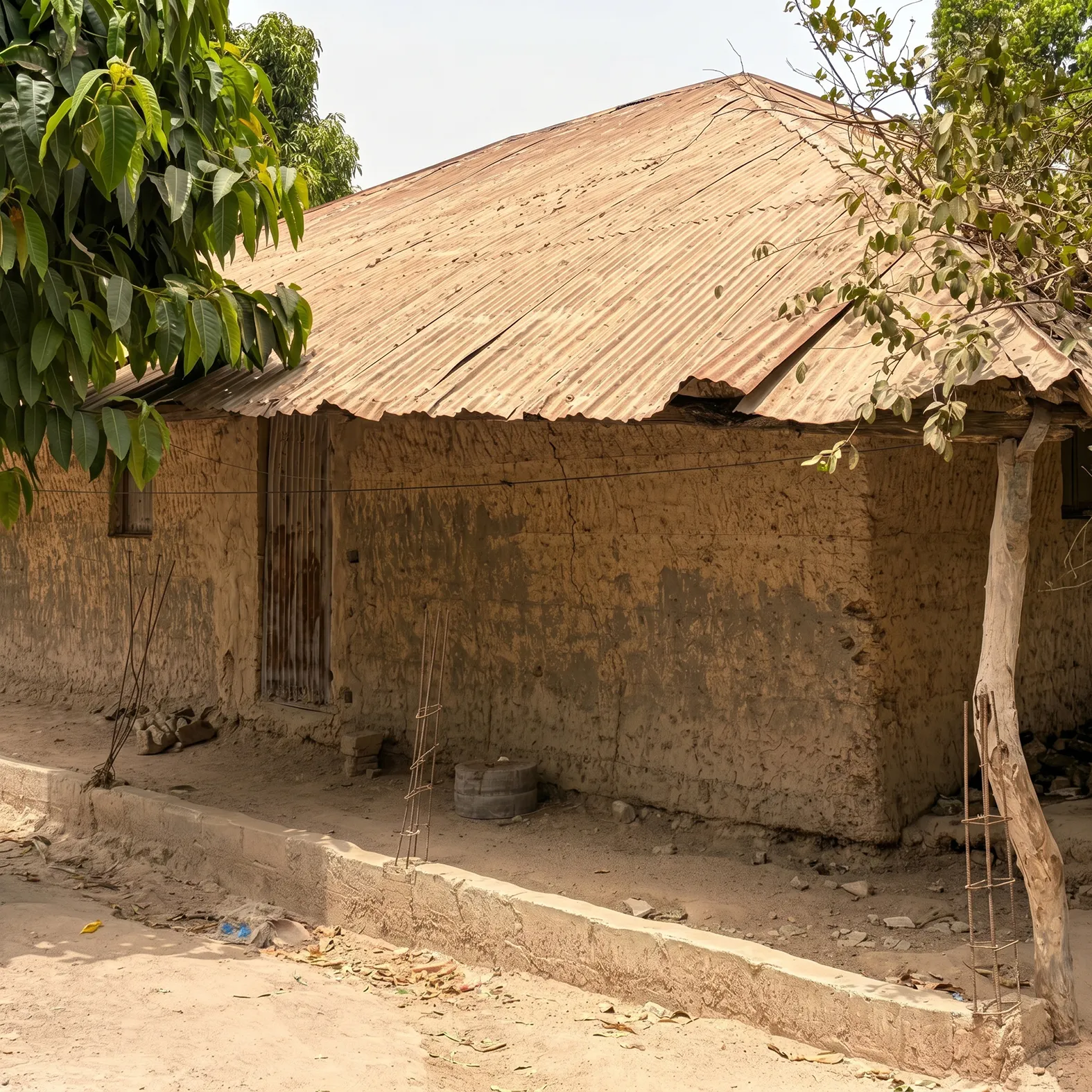
Mandina Mancagne, a village in the commune of Niaguis, Ziguinchor region, has a long and storied history dating back to the 1800s. The village was founded by people from Guinea-Bissau who came to the area with gum arabic to trade with the Portuguese at the port of Ziguinchor. Over time, the village has grown and evolved, becoming a significant cultural and historical site in the region. Despite being associated with a tragic event in 1997, in which over 20 soldiers lost their lives, Mandina Mancagne has made significant progress in rebuilding and recovering.
The village is considered one of the oldest settlements of the Mancagne community in the region. According to local accounts, the first inhabitants of Mandina Mancagne settled in Escale, where they lived in huts alongside the Baïnounks. Eventually, they moved to Mandina Mancagne, which has since become a major hub for the Mancagne people. The village has a strong sense of community and cultural identity, with many families having lived there for generations. Dominique Mancabou, a local councilor, notes that many families from Mandina Mancagne have gone on to establish new villages or settle in other areas of the region.
Mandina Mancagne has undergone significant changes over the years, transforming from a small hamlet into one of the largest villages in the commune of Niaguis. Today, the village comprises several districts, including Mandina Centre, Kantène, Mpontou, Maroc, Kaguil, Mandina Thierno, and Las Palmas. The village is home to a diverse population, with Christians, Muslims, and adherents of traditional practices living together in relative harmony. The village has basic infrastructure, including electricity, running water, an elementary school, and a church.
Despite its progress, Mandina Mancagne still faces significant challenges. The road connecting the village to Ziguinchor is in poor condition and becomes almost impassable during the rainy season. The lack of a health post and limited access to basic services in some districts are also major concerns. However, the villagers remain optimistic and are working to address these issues. According to Mancabou, the community is eager to develop its infrastructure and improve living standards.
Mandina Mancagne is a testament to the resilience and determination of its people. The village has a rich cultural heritage, with a strong sense of community and tradition. The villagers take great pride in their history and cultural identity, which is reflected in their daily lives. The village is also an important center for trade and commerce, with many residents engaged in agriculture, livestock, and small-scale entrepreneurship.
The village's history and cultural significance extend beyond its borders. Mandina Mancagne is an important part of the region's history, and its people have played a significant role in shaping the cultural and social landscape of the Casamance region. The village's story is a testament to the complex and often turbulent history of the region, and its people have demonstrated remarkable resilience and adaptability in the face of adversity.
Today, Mandina Mancagne continues to thrive, with its people working to build a brighter future while preserving their cultural heritage and traditions. The village's story serves as a reminder of the importance of community, cultural identity, and resilience in the face of adversity. As the village continues to grow and develop, its people remain committed to preserving their history and traditions for future generations.
Key points
- Mandina Mancagne is an ancient village in Senegal's Casamance region, with a rich cultural heritage and a strong sense of community.
- The village has a long history dating back to the 1800s and has played a significant role in shaping the cultural and social landscape of the region.
- Despite facing challenges, Mandina Mancagne continues to thrive, with its people working to build a brighter future while preserving their cultural heritage and traditions.