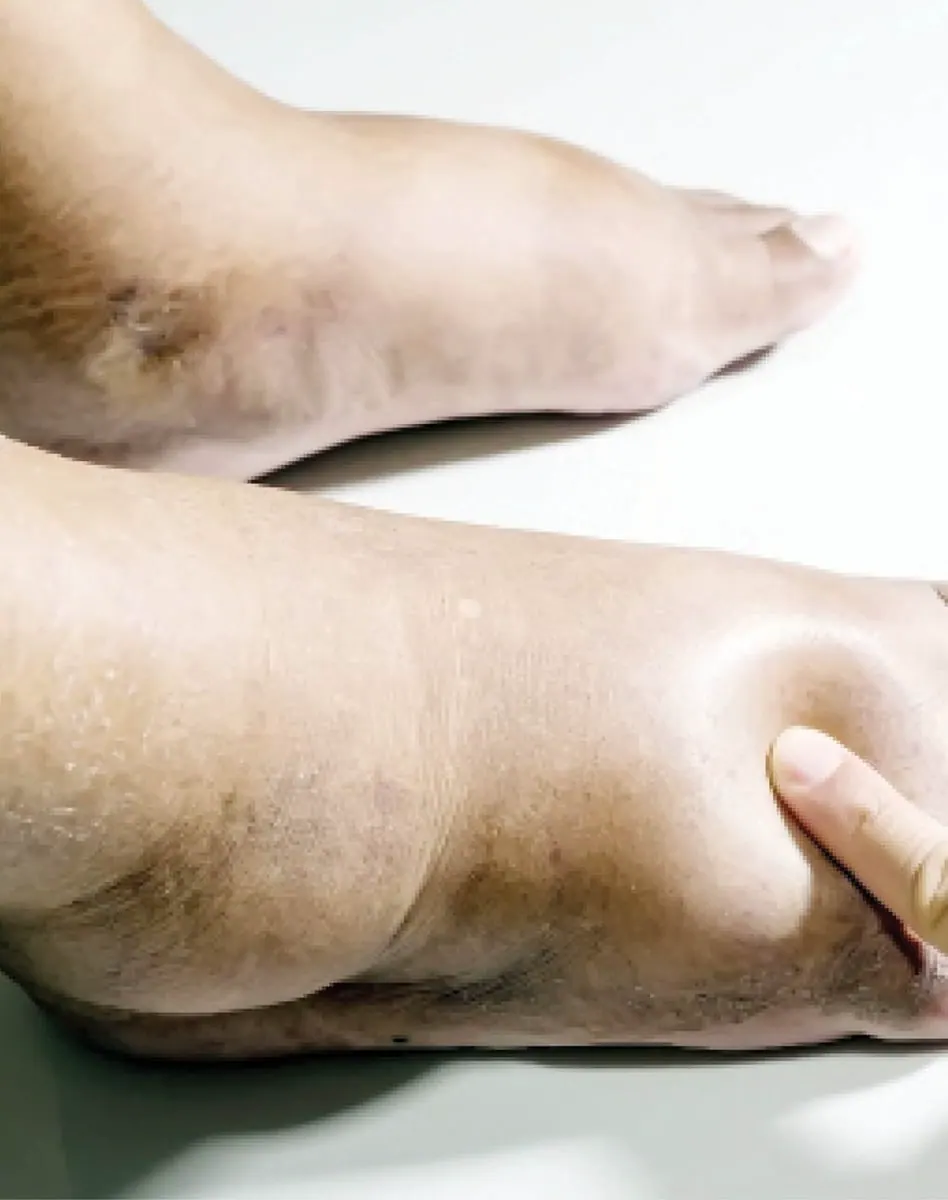
A diabetic patient in Nigeria recently reached out for advice on managing a small wound on their big toe. The patient, who wishes to remain anonymous, expressed concern about the potential risks associated with diabetic foot wounds. According to medical experts, diabetic foot wounds are prone to infection and delayed healing, making prompt and proper care essential. Patients with diabetes are advised to take extra precautions when treating wounds, especially on the feet.
Diabetic foot wounds pose a significant risk to patients due to slower healing and increased infection risk. When a wound occurs, it is crucial to keep the affected area clean and dry to prevent infection. Patients are also advised to inspect the wound daily for signs of increased redness, swelling, or discharge. Applying pressure on the wound can exacerbate the condition, so it is essential to avoid putting pressure on the affected area. Furthermore, patients with diabetes must maintain proper blood sugar control to support the healing process.
Early medical evaluation is vital for patients with diabetic foot wounds. If the wound shows signs of worsening, such as increased swelling or redness, patients should seek medical attention promptly. A doctor can assess the wound's severity and provide tailored care advice, including possible wound dressings or specialist referral. Delaying medical evaluation can lead to severe complications, including infection, amputation, or even death. In Nigeria, where diabetes is a growing health concern, patients must be aware of the risks associated with diabetic foot wounds.
Proper wound care is critical for patients with diabetes. In addition to keeping the wound clean and dry, patients should avoid sharing personal care items, such as towels or razors, to prevent infection. Wound dressings can help protect the wound and promote healing, but patients should only use dressings recommended by their doctor. Furthermore, patients with diabetes should prioritize foot care, including regular foot inspections and proper footwear, to prevent wounds from occurring in the first place.
The Nigerian healthcare system has seen an increase in diabetes cases, making it essential for patients to take proactive steps in managing their condition. Patients with diabetes should work closely with their healthcare providers to develop a comprehensive care plan, including regular check-ups and monitoring. By taking a proactive approach to diabetes management, patients can reduce their risk of developing complications, such as diabetic foot wounds.
In Nigeria, patients with diabetes can seek medical attention at various healthcare facilities, including primary care centers and specialist hospitals. The Nigerian healthcare system has made significant strides in recent years, with an increased focus on preventive care and patient education. Patients with diabetes can access educational resources and support groups to help them manage their condition effectively.
Experts emphasize the importance of prompt medical evaluation for patients with diabetic foot wounds. By seeking medical attention early, patients can prevent severe complications and ensure proper wound care. Patients with diabetes must prioritize their health and take proactive steps in managing their condition to reduce their risk of developing complications.
Key points
- Diabetic foot wounds require prompt medical evaluation to prevent infection and delayed healing.
- Proper blood sugar control and wound care are essential for supporting the healing process.
- Patients with diabetes should prioritize foot care, including regular foot inspections and proper footwear, to prevent wounds from occurring.